Biology
The way to make corn is like a rainbow
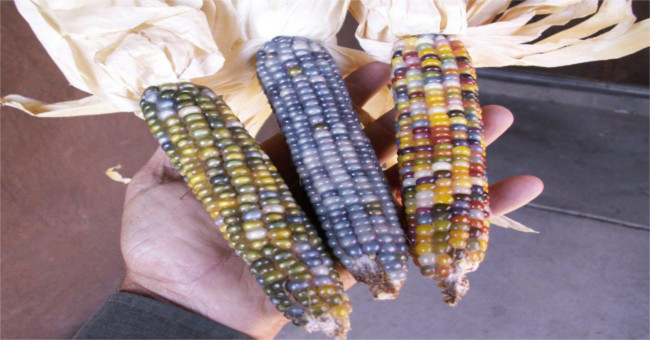
Glass Gem is the name of a unique type of corn with rainbow colors. It became an Internet phenomenon in 2012 when a sparkling color of corn pictures was posted on Facebo…
Browse ScienceInfo articles and explainers related to Food Crops.
37 published items.
Glass Gem is the name of a unique type of corn with rainbow colors. It became an Internet phenomenon in 2012 when a sparkling color of corn pictures was posted on Facebo…
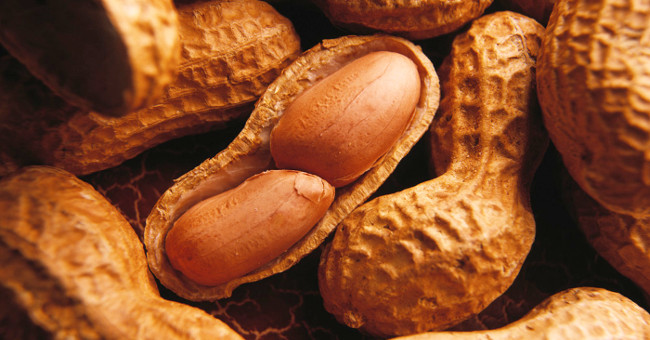
Researchers have successfully deciphered the genome of peanuts (or peanuts) and their ancient brothers, which could help hundreds of millions of people escape the world'…
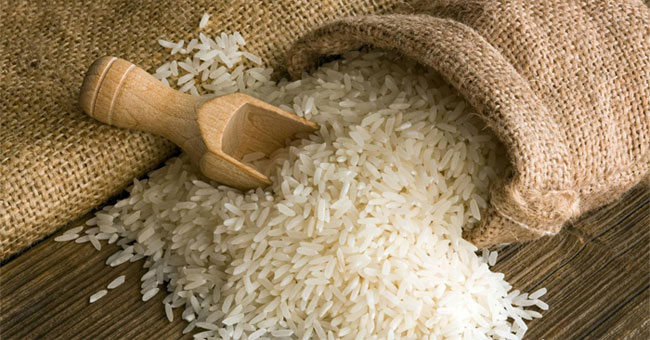
As an indispensable material when building the Great Wall, it can be kept for 30 years ... is the truth that not everyone knows about

In an effort to ensure global food security, 10,000 new seeds from around the world were sent to the anti-apocalyptic hatchery in the Arctic.
Scientists have published the most complete data regarding wild plants with relatives with today's popular food crops.

An international team of scientists has for the first time successfully deciphered the wheat genome, paving the way for research into ways to improve plant varieties.
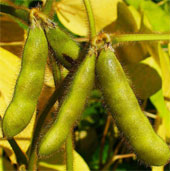
Scientists hope, high-yielding soybean varieties that adapt to the environment soon appear before 2030.
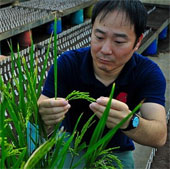
Scientists have discovered the amazing ability of a new kind of rice gene that can significantly enhance the productivity of the world's leading food crop.
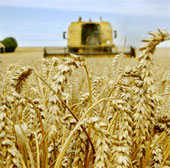
These three corporations have worked with Pakistan's Food Security Ministry and made a proposal to grow genetically modified corn and cotton in Pakistan.
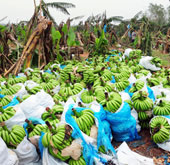
Global warming can cause bananas to take the place of potatoes to become essential foods for hundreds of millions of people.
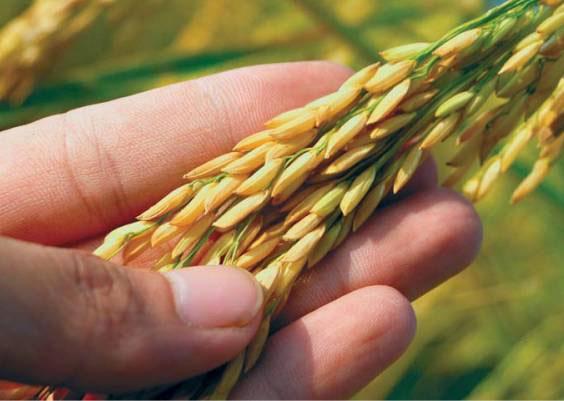
It is forecasted that by 2030, the world will have more than 2 billion people. Therefore, providing enough food for mankind is something that scientists concern.
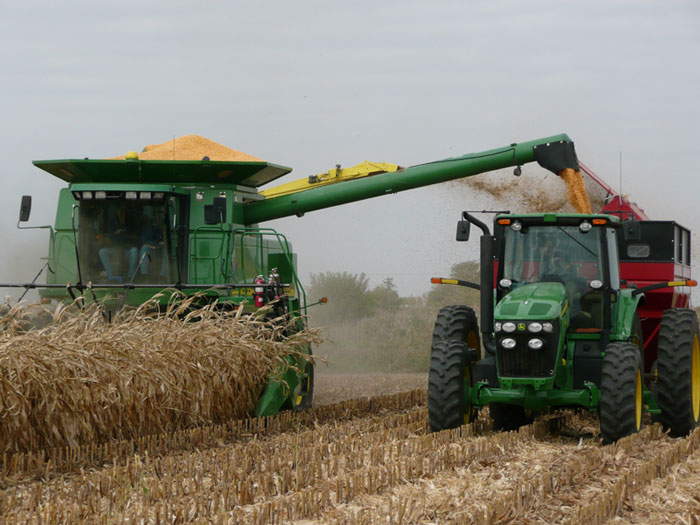
Genetically modified corn - a plant created to resist pests - may be losing its effectiveness when pests can adapt to new plants.
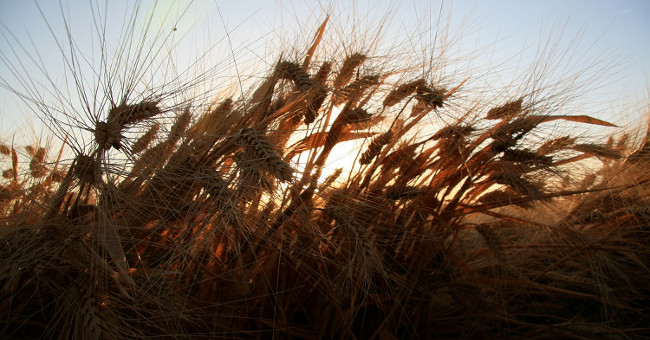
Due to struggling to survive in extreme weather conditions, some food plants can produce many toxins harmful to humans and pets.

More than 30% of the world's population lives in East Asia and Southeast Asia. About half of these people live on rice and other food crops. However, the World Bank pred…
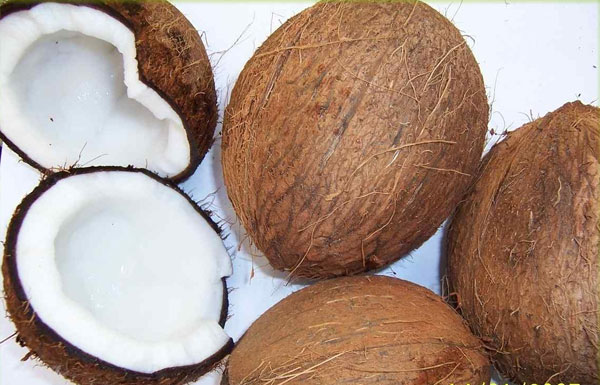
US researchers believe that the parts that humans are not using in coconut and mangoes can generate a large amount of electricity for rural communities in South Asia and…