
Archeology
The tape has a new look
Oetzi simulation doll, the world-famous iceman was discovered in Italy in 1991, will have a new face on the 20th anniversary of his found.
Browse ScienceInfo articles and explainers related to Forensic.
38 published items.
Oetzi simulation doll, the world-famous iceman was discovered in Italy in 1991, will have a new face on the 20th anniversary of his found.

Forensic archeology is a emerging term associated with the strong development of criminal science and forensic science in recent years. In the most recent international…

The bacteria on human hands are not the same, so they can be used to identify forensics like DNA and fingerprints.

Chemicals that people often use to bleach hair may disable the medical doctor's blood detection techniques when investigating homicide.
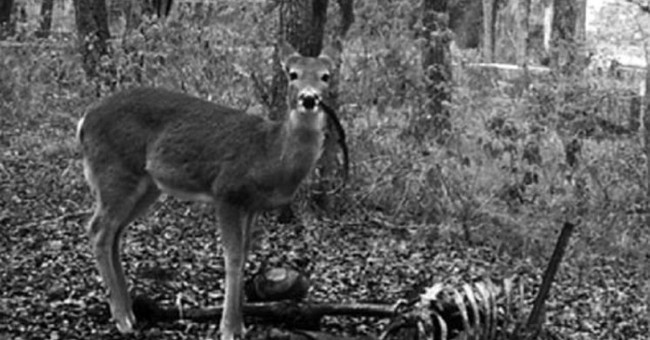
Forensic scientists first discovered a deer chewing on ribs on a corpse in a forest in the United States.

During the criminal investigation, the identity of the suspect will be easily detected if forensic experts find evidence of the DNA at the scene.

Researchers found many genes that can last up to four days after the body dies.

Identifying the characteristic body odor after death caused scientists to hope to find corpses easier.

Identifying the victim's identity in a disaster is not an easy task, especially when limited access to the site and collection of evidence.
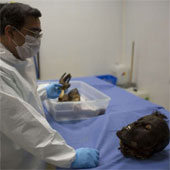
Though unable to revive the dead, a Mexican scientist can make the zombies look fresher, know the accusations of criminals through a secret chemical bathing process.
Now scientists at Queen's University, Canada have successfully developed a new method that also produces similar results based on human hair samples.
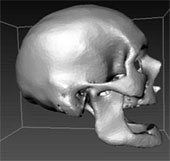
CT scans can contribute to the 3D forensic database to determine the ancestors and gender of anonymous remains.

Scientists at Ecole Polytechnique Federale University (EPFL) in Switzerland have created algorithms to help people locate by sound.
Chief researcher Adrian Linacre said that this technology has helped to significantly improve existing DNA analysis tools.

Professor Dame Sue Black of Lancaster University, has developed a forensic technique to help identify crime based on hand characteristics.