Space science
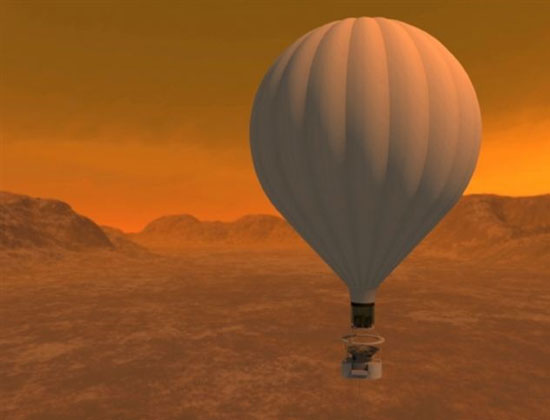
Explore the universe through hot air balloons
The US Aerospace Agency (NASA) is testing a form of space exploration that is cheaper than a missile program with shadow detectors.
Browse ScienceInfo articles and explainers related to Form.
1,962 published items.
The US Aerospace Agency (NASA) is testing a form of space exploration that is cheaper than a missile program with shadow detectors.
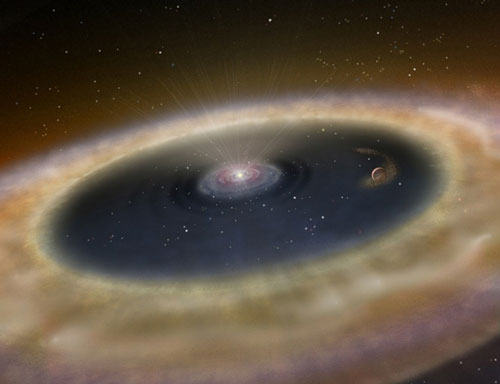
An astronomer at the University of Hawaii has just captured the first direct image of a planet being born.
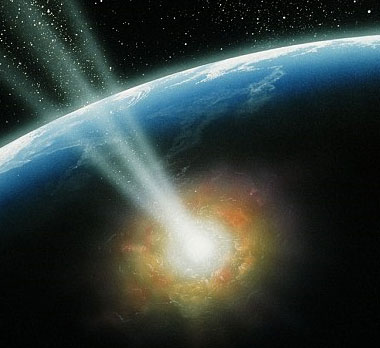
Surrounding the surface of the earth is mostly ocean, scientists say the oceans only formed about 8 million years after the planet was born.
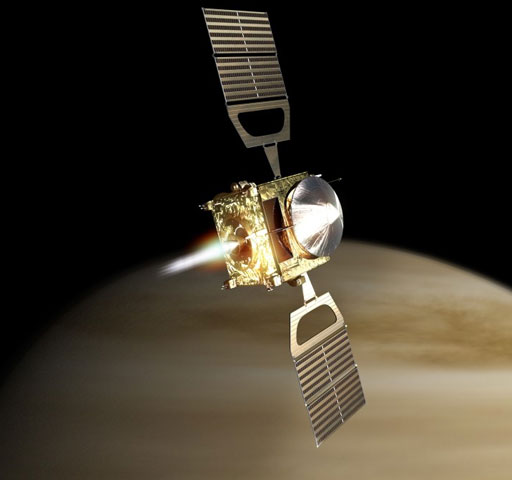
The European Space Agency's (ESA) Venus Express probe has made a very important discovery when it found a thick layer of ozone in the Venus atmosphere.
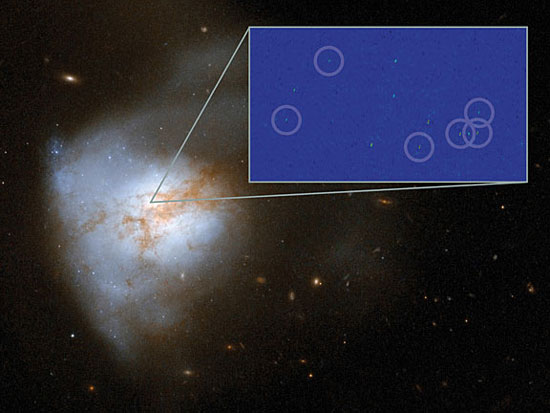
A group of astronomers at the Chalmers and Onsala Space Observatory recently discovered seven supernovae that had never before been known in a galaxy 250 million light-y…
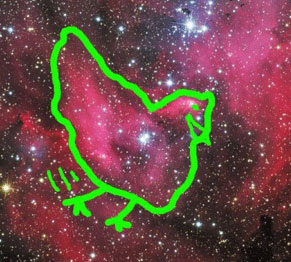
The space nebula brings many surprises. It seems that in the depths of the universe hidden invisible artists create great masterpieces - strange shapes over time.

Telegraph reported that Dr. Terry Kee, a cosmological biologist at the University of Leeds in the UK, believes that when meteorites bombarded the earth several billion y…
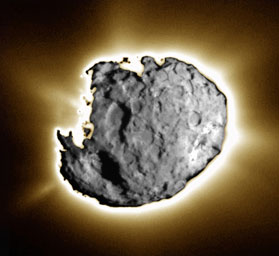
If gold-containing asteroids don't land on Earth about 4 billion years ago, perhaps humans will never see this precious metal.
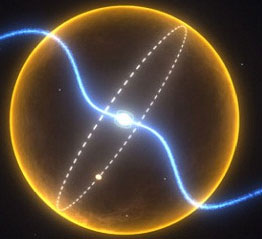
Recently, astronomers from Swinburne Technical University in Melbourne (Australia) discovered a planet made up of diamonds outside the solar system.
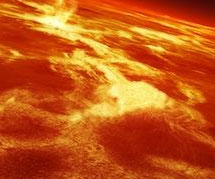
The prestigious National Geographic TV channel recently released a short clip explaining the formation of the Earth in the universe.
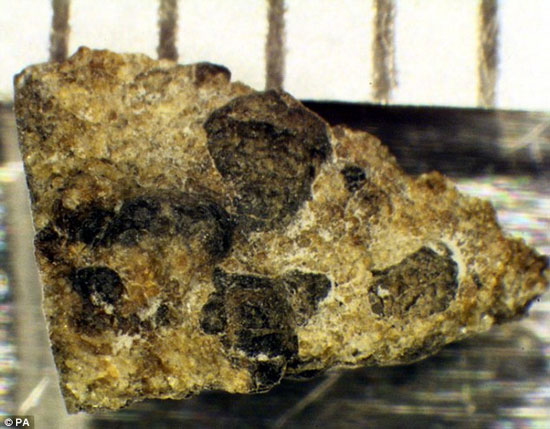
A program to study meteorites from NASA's universe suggests that we can be aliens.
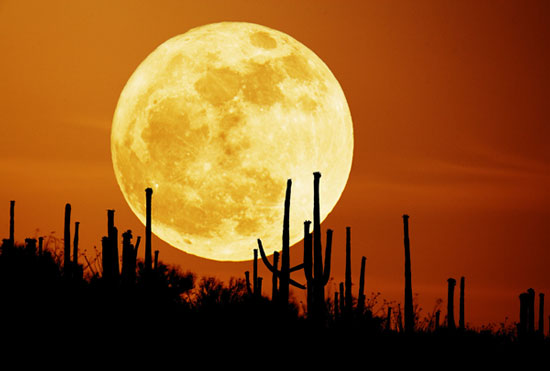
According to the latest research by Carnegie Science Institute, published in the journal Nature of the United States on August 17, the Moon may be formed later than prev…
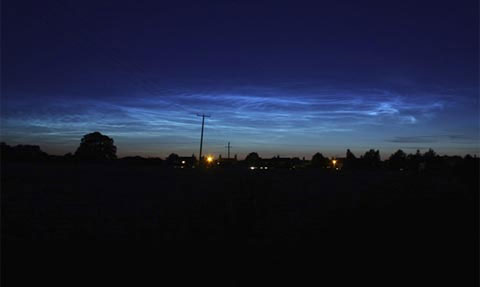
According to the US Space Agency (NASA), noctilucent clouds look like
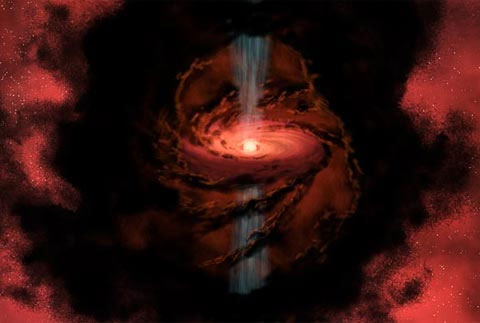
New astronomers discovered a young, sun-like star lying 750 light-years away from our earth, with taps that fired water bullets with lightning speed to the surrounding s…
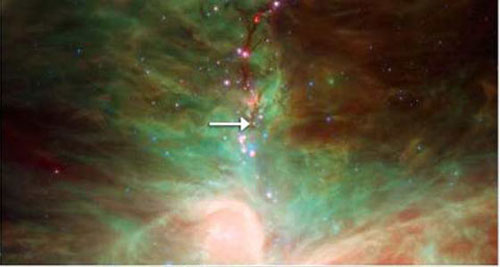
For the first time, the Spitzer telescope of the US Aerospace Agency (NASA) discovered a crystal rain on a newly formed star.