Archeology
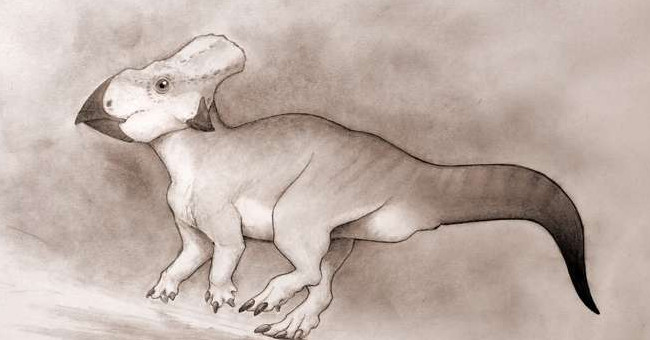
Triceratops are only as big as a dog
Strange relatives of the triceratops reveal the effects of continental division on evolution.
Browse ScienceInfo articles and explainers related to Fossil.
1,536 published items.
Strange relatives of the triceratops reveal the effects of continental division on evolution.
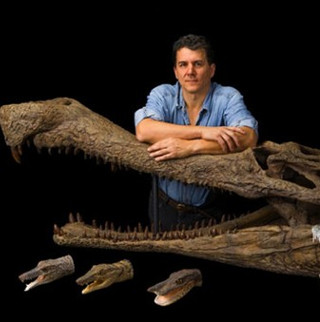
Primitive crocodiles existed 100 million years ago, they are not only good swimmers but also run on land as fast as horses.

The mouse is 10 times the size of modern mice living in East Timor about 1,000 years ago, and is the largest rat ever discovered by archaeologists.
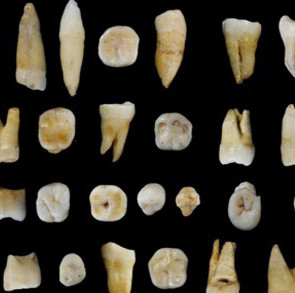
Fossil teeth found in a cave in southern China show that ancient people from Africa migrated to Asia tens of thousands of years earlier than Europe.
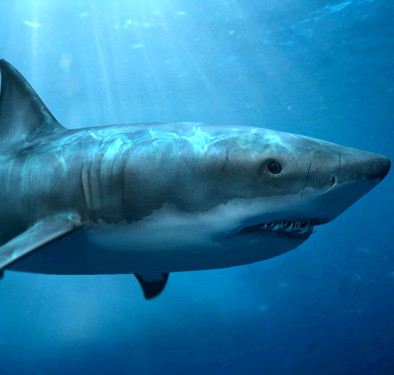
The 300 million-year fossil of a giant shark shows that they are nearly as long as a bus and much larger than today's white sharks.
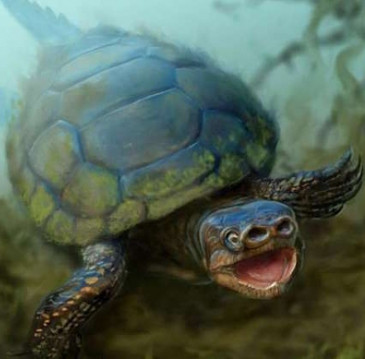
Researchers discovered fossils of an ancient turtle with a pig-like nose, living at the same time as the tyrant dinosaur, in Utah, USA.

This is not the first time that finfish scoff at science. During the 19th century, this 2m long fish and 100kg weight were classified as extinct species.
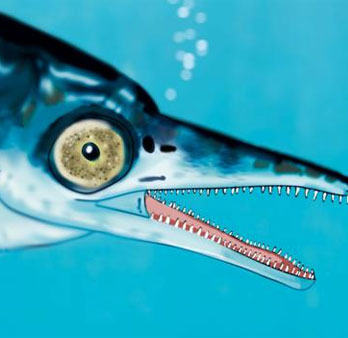
This marine reptile is also known as the fish lizard. The strange thing is that its very 'weird' nose, unlike any reptile ever.

The Natural History Museum Senckenberg in Frankfurt, Germany has exhibited
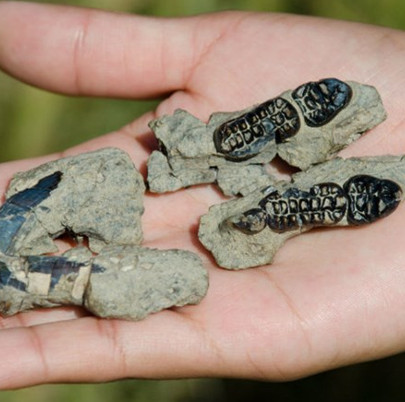
A new specimen of fossils discovered in New Mexico has helped scientists gain more knowledge about mammals that appeared after the extinction of dinosaurs 65 million yea…
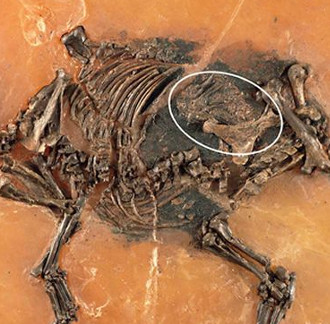
According to news on News Discovery, a new study confirms the discovery of fossils of an ancient 48 million year old horse in Germany. Specifically, they are found in a…
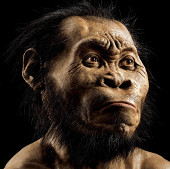
1400 pieces of bone, 140 teeth of a new human species, named Homo Naledi, have been discovered in a cave deep in the ground in Africa.
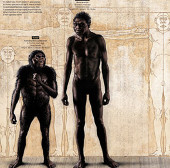
The discovery of new human relatives called Homo naledi (H. naledi) in a deep cave in South Africa raises many questions around their existence.
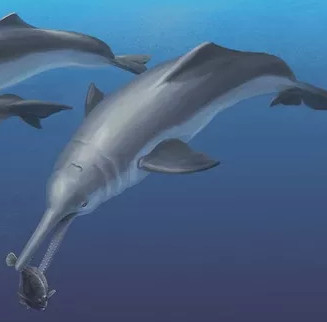
Fossils of a new dolphin have revealed the process of dolphins moving from oceans into rivers.
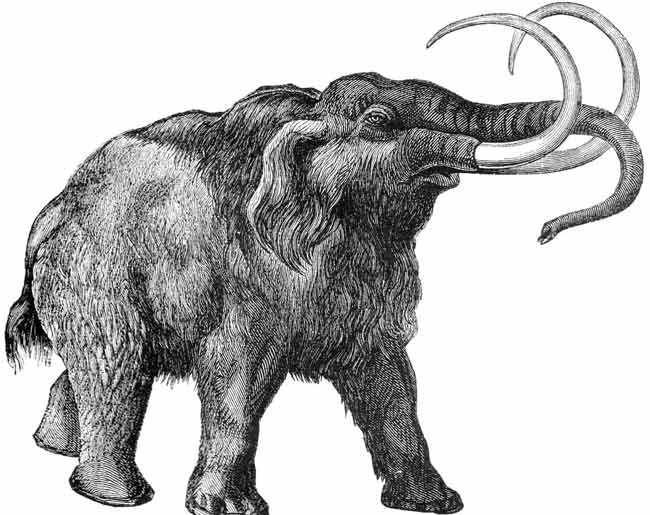
A Dutch researcher has examined the jaw of prehistoric mastodon. This 2.5 million-year-old fossil can provide an understanding of the primordial causes of primitive elep…