Archeology
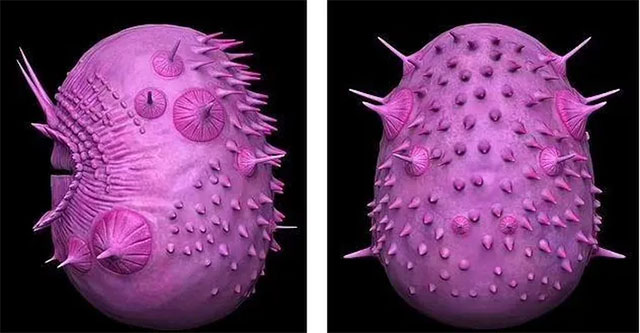
The angry Minion-like anusless creature is not the earliest ancestor of mankind
A 2017 study concluded that an angry Minion-like microscopic creature without an anus was the earliest human ancestor.
Browse ScienceInfo articles and explainers related to Fossil.
1,536 published items.
A 2017 study concluded that an angry Minion-like microscopic creature without an anus was the earliest human ancestor.
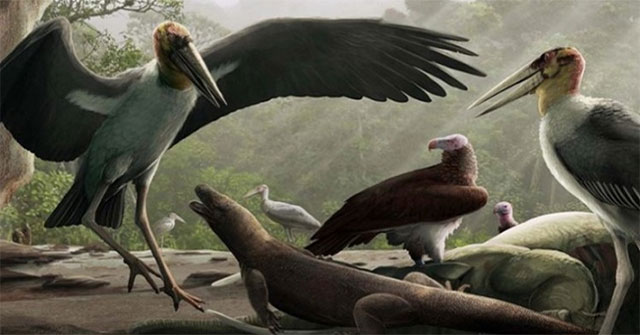
Archaeologists discovered the 1.5 meter tall Flores stork on the island of the same name that specializes in eating animal carcasses and this may be the reason they beca…
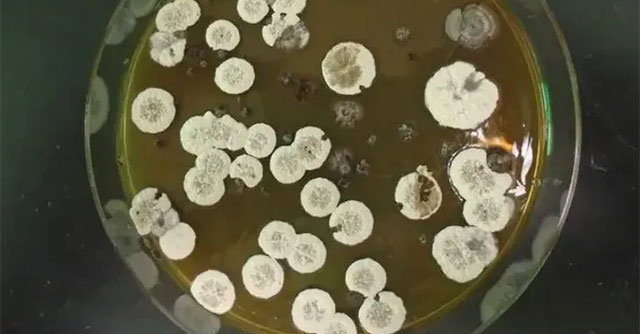
A team of researchers at Lawrence Berkeley National Laboratory has successfully harvested alternative jet fuel from commonly found species of soil bacteria in the genus…
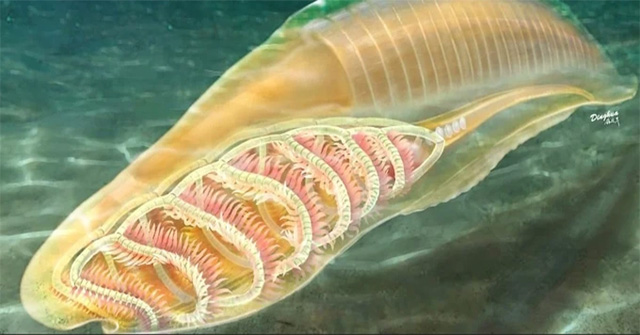
Strange creatures lurking deep in the Earth's oceans more than half a billion years ago, it seems to be
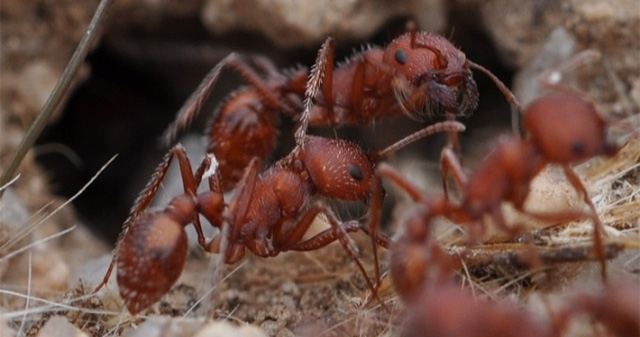
A team of paleontologists recently discovered 10 previously unknown species of ancient mammals with the help of reaping ants.

Chinese scientists provide anatomical and fossil evidence that the origin of breathing tubes in vertebrates is from gills.
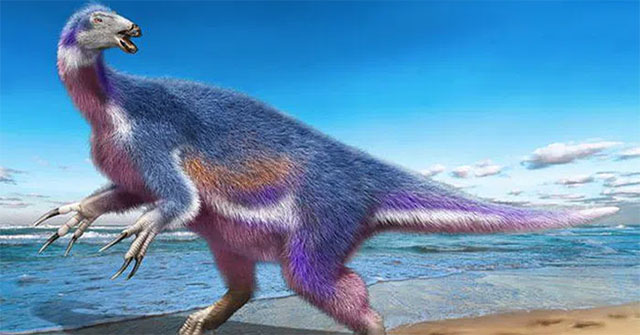
The image of a monster with 5-color fur quite flamboyant has just been published by the Hokkaido University Museum - Japan.
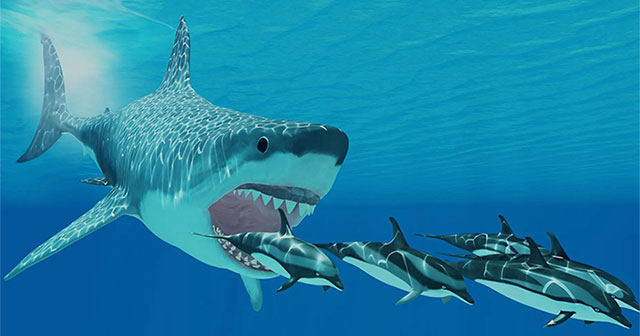
The largest known shark on Earth, Otodus megalodon, has dominated the seas for more than 20 million years.
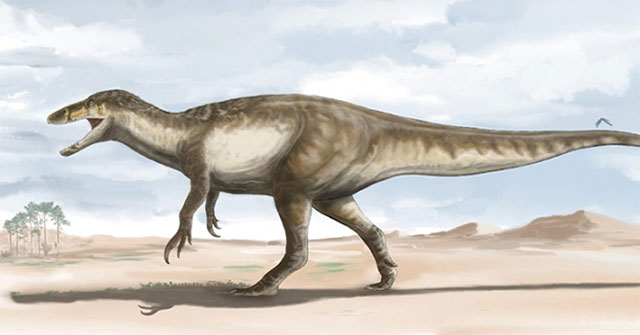
A 70-million-year-old fossil unearthed in southern Argentina reveals previously unknown giant predatory dinosaurs.

Chinese scientists have discovered fossils of a previously uncharacterized ichthyosaur in the Guangxi Autonomous Region.
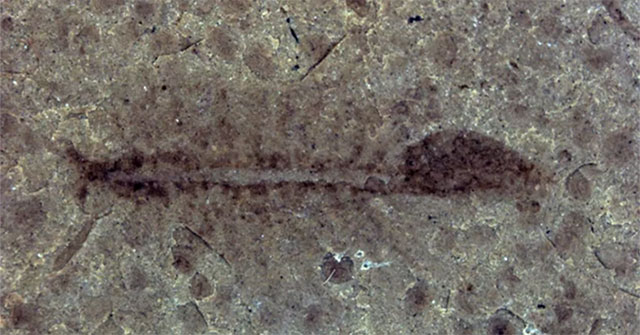
Fossils of fairy shrimp from the Cretaceous period show that this species does not need a male to be able to reproduce normally.
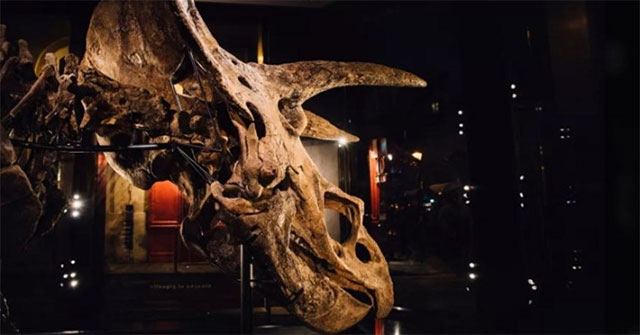
The fierce battle with the opponent caused Big John, the largest 3-horned dinosaur specimen ever found, to have a keyhole-shaped puncture in the frill.
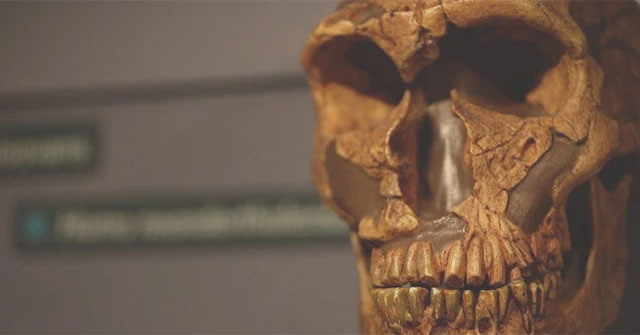
New fossils are challenging the idea that modern humans wiped out Neanderthals shortly after leaving Africa.
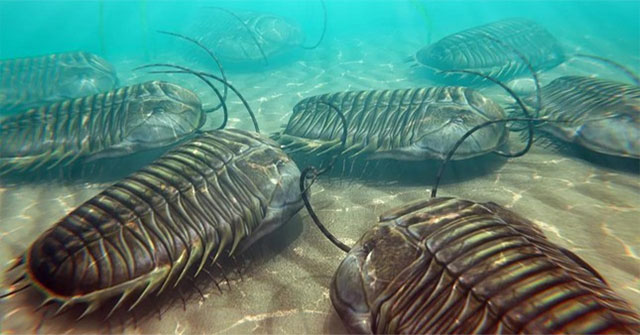
A new study has revealed that trilobites, marine arthropods, were the world's first cannibals.

The 67-million-year-old triceratops specimen from Montana astounds researchers with 266 bone fragments preserved to date.