Space science
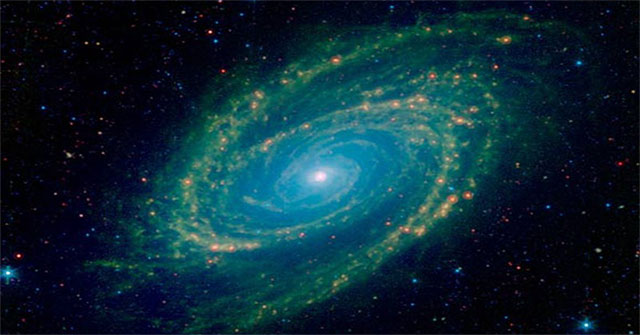
Infrared image of Messier 81 shows off beautifully
NASA has just released a stunning infrared image taken by NASA's Spitzer Space Telescope of the Messier 81 galaxy, a spiral galaxy located 11.6 million light-years from…
Browse ScienceInfo articles and explainers related to Galaxy.
954 published items.
NASA has just released a stunning infrared image taken by NASA's Spitzer Space Telescope of the Messier 81 galaxy, a spiral galaxy located 11.6 million light-years from…
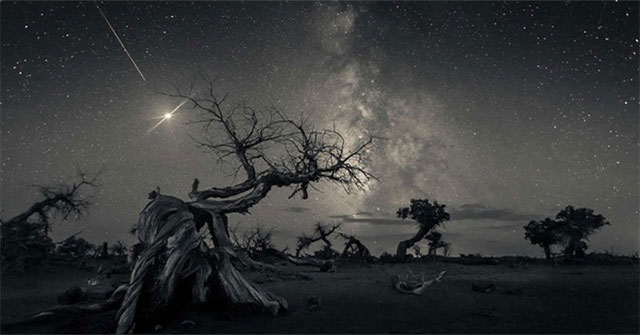
From photos that capture beautiful aurora, to lunar eclipses and eclipses. All winning photos bring a beautiful view of astronomy.
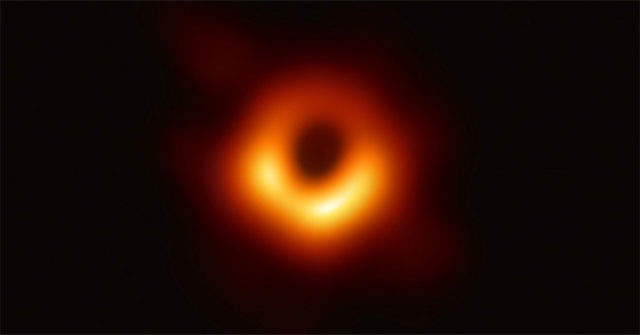
The giant black hole in the center of our Milky Way galaxy is swallowing matter at unprecedented speed.
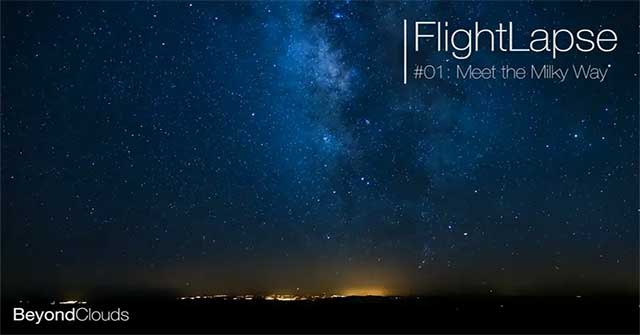
With the view from the cockpit window, the altitude above the clouds, under the starry sky and the stars, the Milky Way galaxy appears splendid, enchanting.
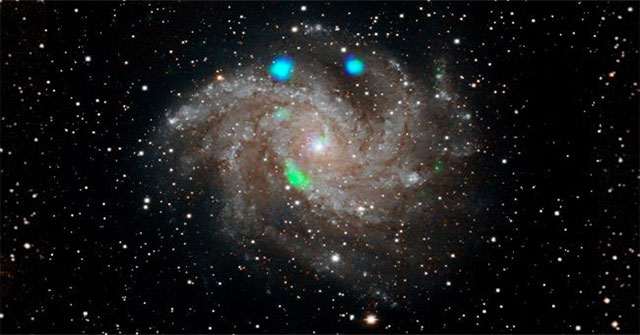
NASA's NuSTAR Nuclear Spectrometer has just captured mysterious light from the universe, a source of super-energy X-rays that baffles scientists.
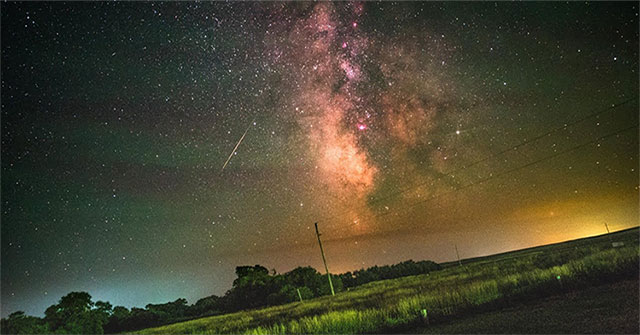
Everyone knows the Earth is always spinning but few can imagine how this movement works.
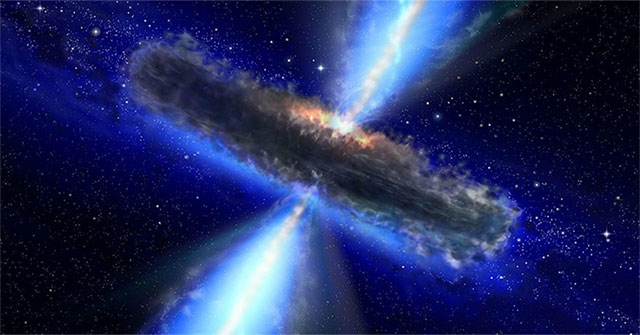
UFOs (unidentified flying objects) are identified as air bubbles that flatten inside galaxies.
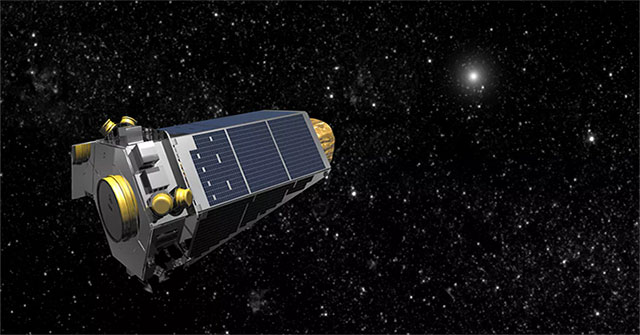
Through computer simulations and real data, experts estimate the number of planets about the same size as the Earth and may exist life.
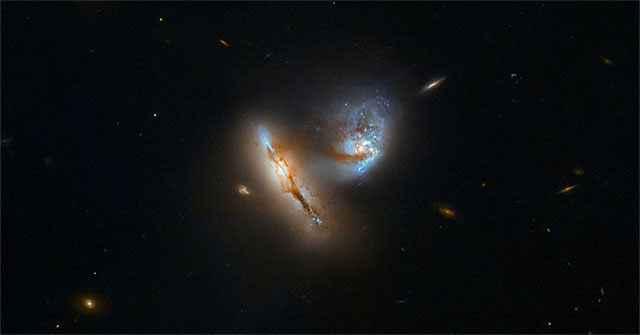
Hubble Space Telescope captures a pair of galaxies that are about to merge to form a new galaxy called UGC 2369.
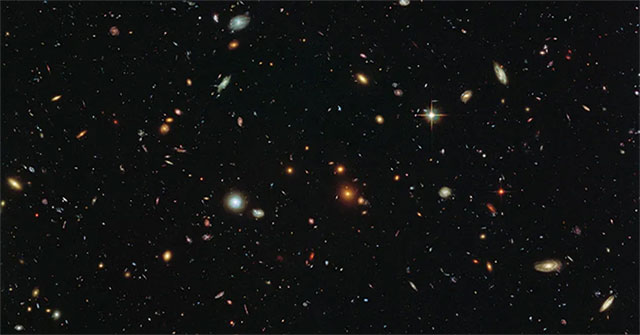
Researchers from the University of Arizona with their supercomputers can create millions of mini universes for research. It can provide many answers about the evolution…
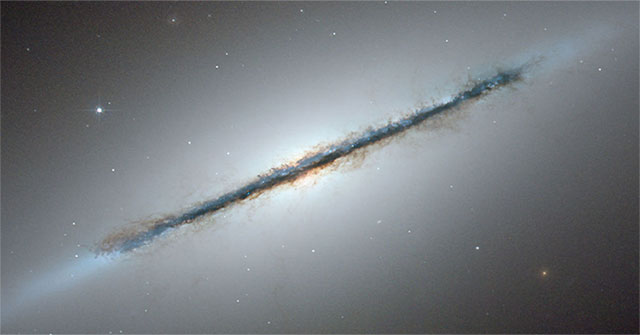
Spitzer Space Telescope has discovered galaxy NGC 5866 about 60,000 light-years in diameter - more than half the diameter of the Milky Way where people live.
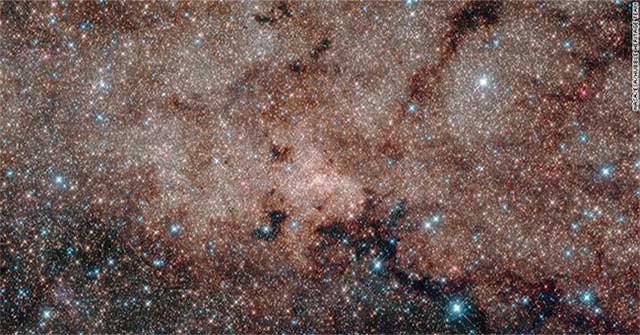
By using data from the Gaia space telescope, researchers were able to decipher part of the question about our Milky past.
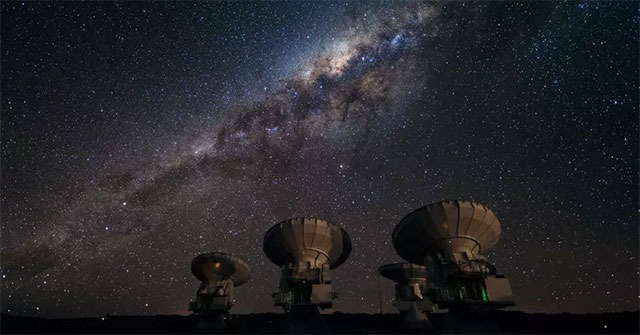
Japanese scientists have found a way to reach the invisible super galaxies that NASA's Hubble space hunter must also give up.
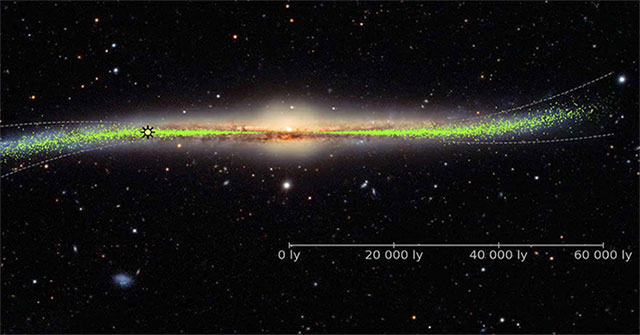
For the first time in history, Polish scientists have mapped three-dimensional maps of the Milky Way with the highest accuracy.
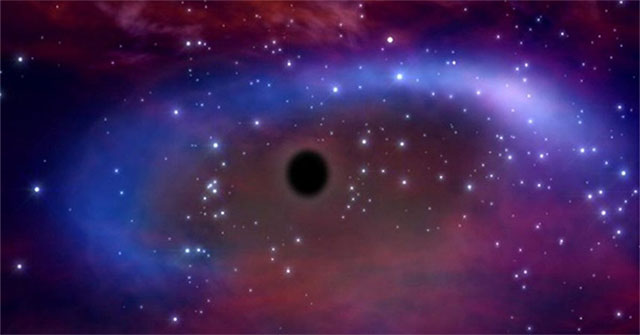
Holm black hole 15A * is hundreds of millions of light years from the Earth so large that the Solar System can fit in its event horizon.