Oceanography
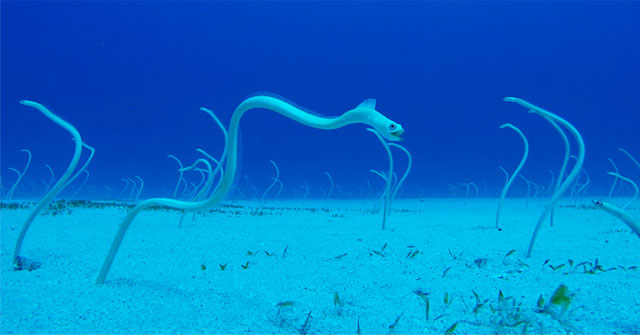
Strangely, eels all their lives just stand still and wait for food to be 'offered' to their mouths
Hawaiian garden eels hide in sand burrows on the sea floor, emerging only to eat zooplankton and then back down when they detect danger.
Browse ScienceInfo articles and explainers related to Garden.
335 published items.
Hawaiian garden eels hide in sand burrows on the sea floor, emerging only to eat zooplankton and then back down when they detect danger.

The lack of answers has made these mysteries all the more intriguing.
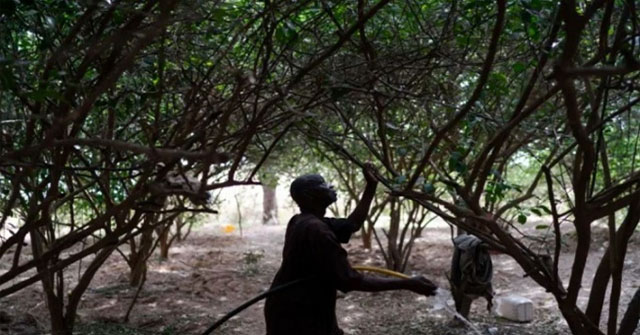
African countries aim to plant trees into a wall nearly 8,050 km long that runs across the entire continent, forming a natural barrier to prevent the Sahara desert from…
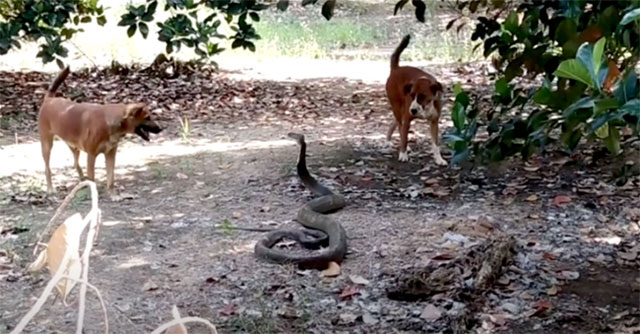
Will the snake be able to escape its enemies?
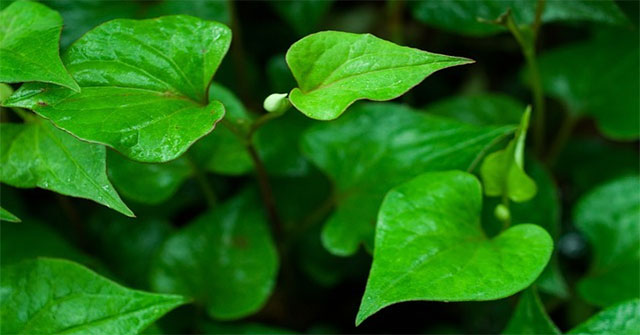
Drinking water with lettuce leaves, chives mixed with honey, basil leaves, river bones... can soothe coughs and sore throats when it's cold.
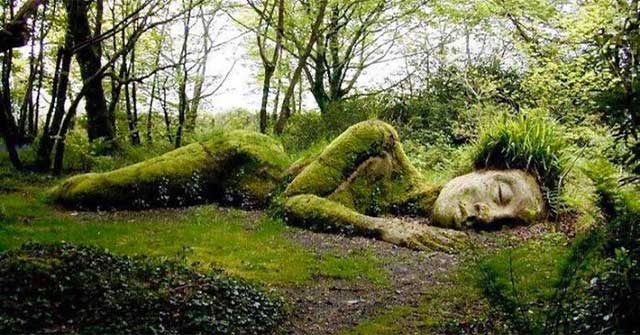
If you come here on cloudy days, the weak and frightened can see the statue of the 'sleeping girl' lying on the ground.

The city has more than 1,500 parks and green gardens, each year hosting a festival of lights.
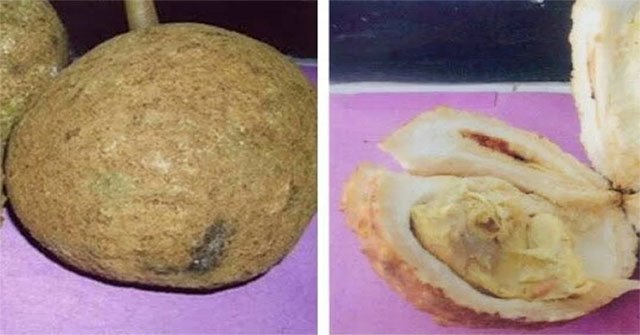
Botanists have been unable to successfully grow extremely rare thorns durian despite grafting efforts over the years.
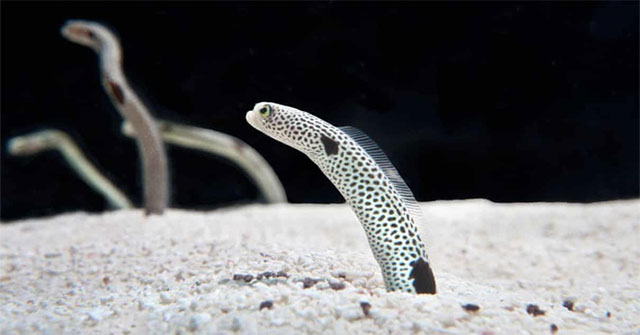
Due to the lack of tourists, the garden eels at the Japanese aquarium have begun to forget about human presence and become sensitive.
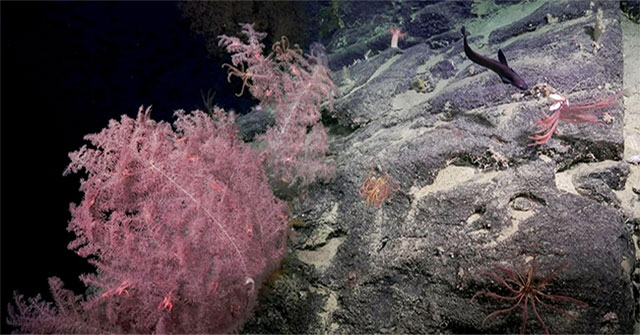
University of Western Australia explorers found an unprecedented coral ecosystem under the Bremer Gorge deeper than 4,000 meters.

Experts from the University of Sheffield, UK are instructing refugees to create one

The small piece of meteorite left over after crossing Earth's atmosphere helped reveal information about the solar system 4.56 billion years ago.
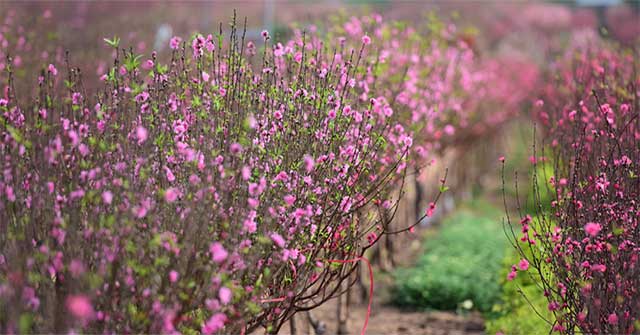
Bloom early due to hot weather, but the Tan Tan peach root can be beautiful, many buds are still expensive before Tet.
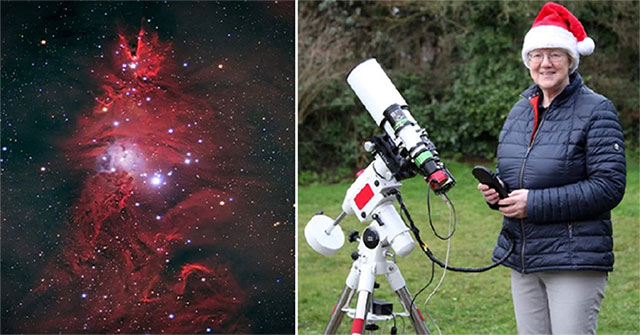
For Christmas, astronomer Jean Dean shares a stunning photograph of the NGC 2264 nebula 2,600 light-years from Earth.
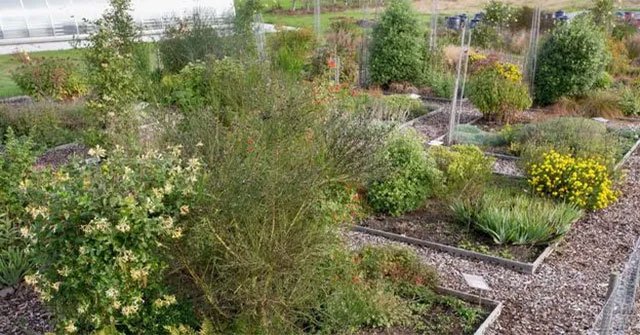
The alarm is sounding about the global decline in insects! Recent studies show that the number of insects is plummeting, due to habitat loss and pesticides.