Space science
Huge bubbles in the universe
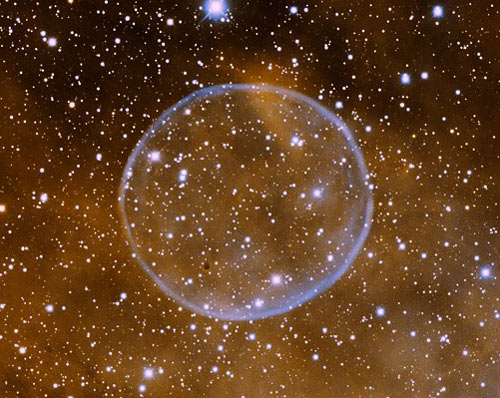
At first glance the picture below you will think it is the soap bubbles that some child makes, but it is actually a newly discovered nebula in the universe.
Browse ScienceInfo articles and explainers related to Gas.
1,386 published items.
At first glance the picture below you will think it is the soap bubbles that some child makes, but it is actually a newly discovered nebula in the universe.
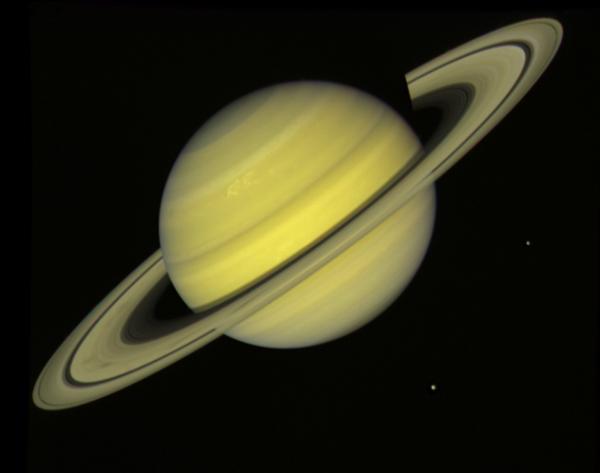
A new method of measuring the rotational speed of large gas planets shows that Saturn's days are 10 hours, 34 minutes and 13 seconds - 5 minutes shorter than previous ca…
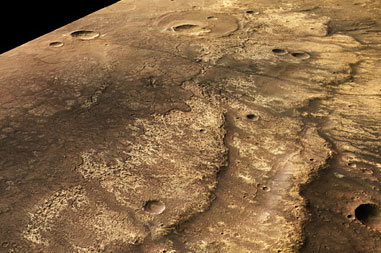
The methane on the red planet is created and disappears faster than methane on Earth, French scientists claim.
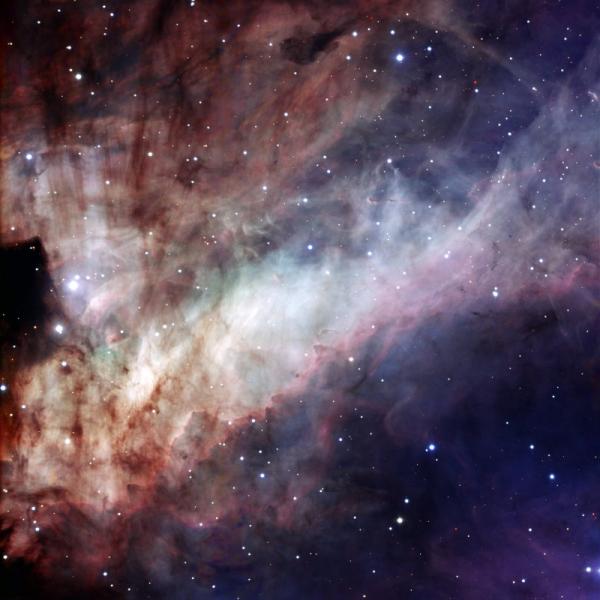
The Omega Nebula, sometimes called the Swan Nebula, is a brilliant star nursery that is 5,500 light-years away in the direction of the constellation Sagittarius. As a st…
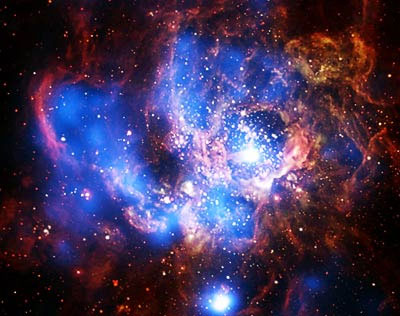
A huge area, larger than the Orion Nebula, created countless new stars, about 14 000 light-years away from the earth hidden behind a thick cloud of dust.

'The inevitable future of Barnard 68's cloudless stars' is to collapse and form a new star.

Humans are not alone in the fight against obesity, because the size of the planets also increases temporarily in a period.
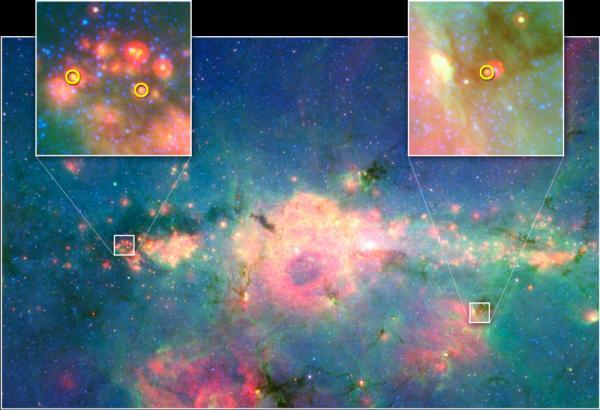
Astronomers have finally discovered newborn stars at the turbulent center of the Milky Way.
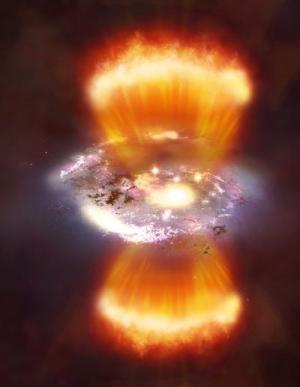
The growth of galaxies and black holes has been made clear by data from NASA's Chandra Space Telescope and many other telescopes. This finding helps discover the nature…
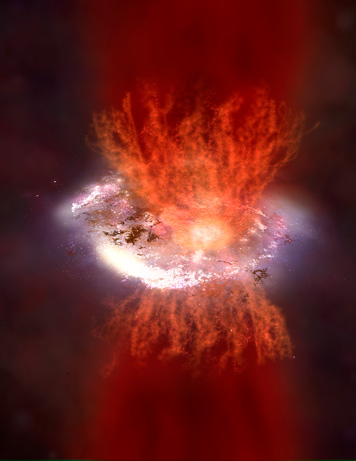
Mysterious gas droplets in remote areas of the universe are no longer a mystery, according to astronomers at Chandra X-ray Observatory (NASA).

Hubble Space Telescope captures a stunning picture of an eye-like nebula on May 4.

While studying a giant cloud of gas and dust in the center of the Milky Way, German astronomers discovered it contained chemicals that make up the flavor of raspberries.
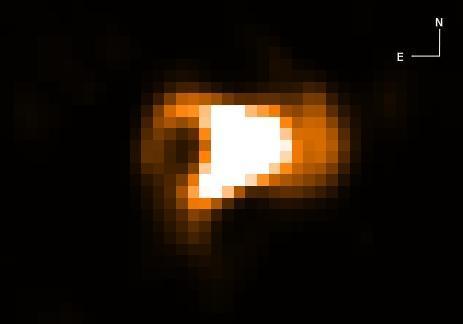
The Hubble Space Telescope (NASA / ESA) recently captured the first optical images of a shocking stellar explosion, and discovered a rapid peanut-shaped balloon bulging…
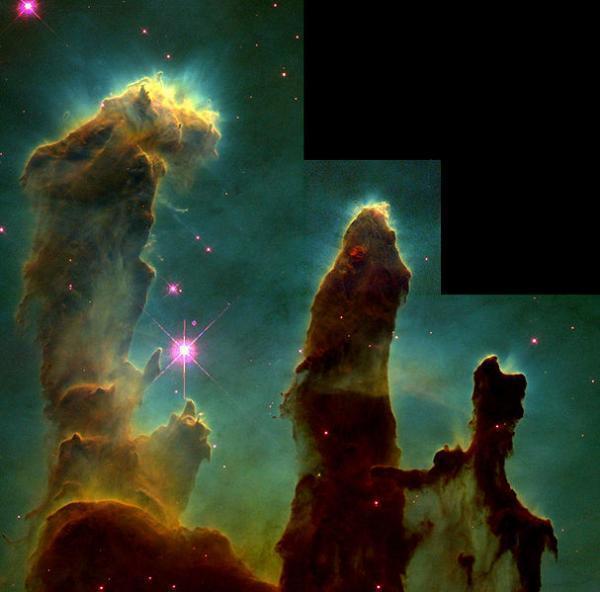
Research by astronomers at the Dublin Advanced Research Institute shows that shadows hold the key to how to form giant star-forming structures like 'Creative Columns'.

Scientists have discovered a cosmic bubble generated from the release of gas from a dying star, up to 60 light-years across and approximately 70,000 years old.