Discover science
Science says: More than half of your body is not human!
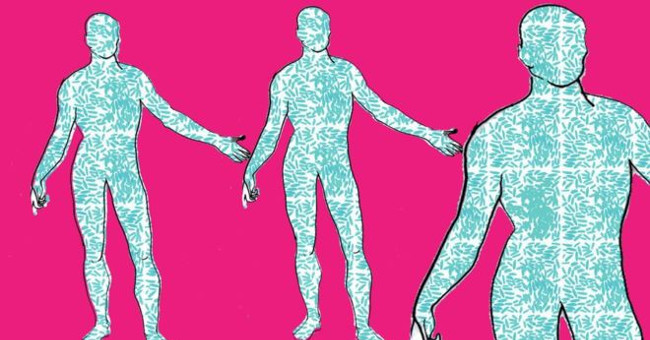
Believe it when the research published on the BBC recently showed that more than half of your body is not human!
Browse ScienceInfo articles and explainers related to Gene.
1,953 published items.
Believe it when the research published on the BBC recently showed that more than half of your body is not human!

Even if compared to other species, this match is more terrible than we think.
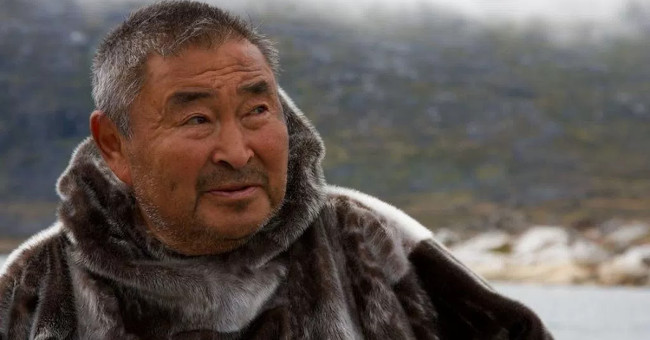
Although eating a lot of whale meat and seals, this ethnic group does not worry about obesity or heart disease.

Recently, a young doctor, a former NASA expert, spoke about his ambition to create a generation
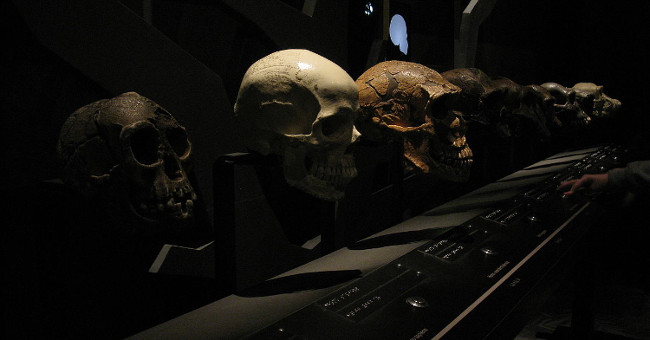
Neanderthals - close relatives of modern humans have thick noses, long skulls, large bone structures, possibly red hair and freckled skin.
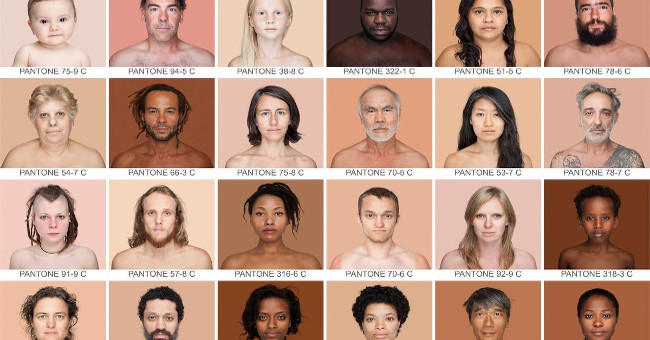
In fact, our genetic genes are the same and everyone has dark skin when human ancestors first appeared in millions of years.
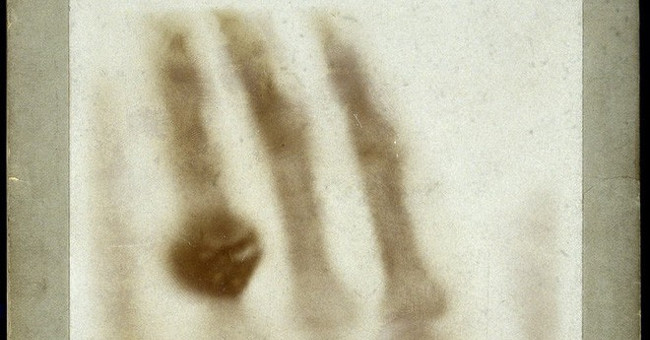
In the second half of 1895, when Anna Bertha Roentgen's husband spent several weeks studying in his lab, she devoted herself to serving her husband.
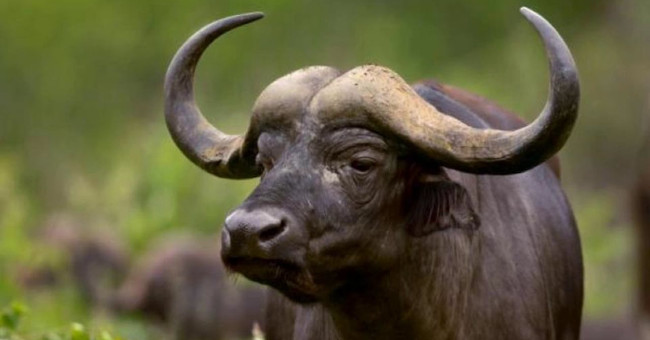
A group of scientists from Germany, Russia and Sweden has discovered areas of genes that control animal tamility.

Eye color is unique and unique like each person's fingerprint. You can see that the people around have the same brown or black eye color as me, but surely the eye color…
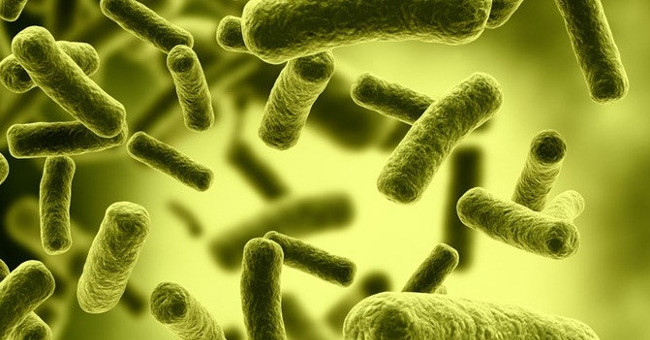
From the international database of more than 1,500 multi-genomes, scientists have restructured a single genome of 7,280 new bacteria and 623 bacteria (protozoan microorg…

The sportswear and slippers seem to have different colors in the photo became a controversial topic.

No matter what time it seemed, boys seemed to be taller than girls. But do you know for what reason?

Smart Jews, that's the truth. However, this intelligence not only takes place in one generation but is proven genetically for many generations.
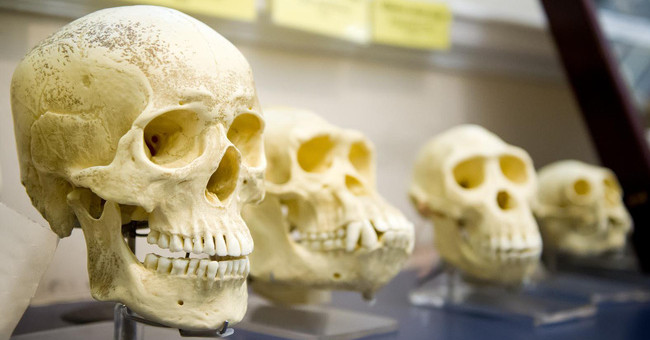
Systematic biology theory researchers have published a study showing that long-standing assumptions about the relationship between death and natural selection so far are…
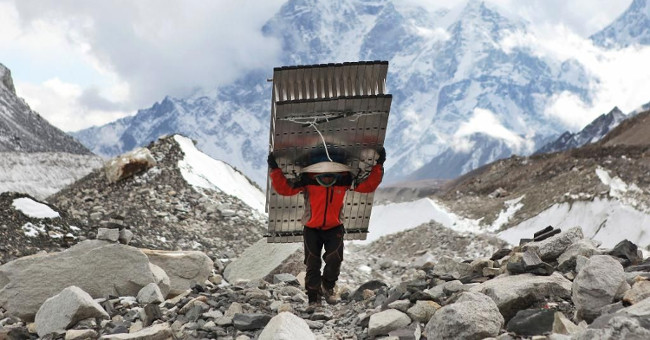
Hundreds of generations of ethnic Sherpa living in the highlands have experienced a genetic revolution to adapt to hypoxia.