
Space science
'Earth copy' is standard enough to form life!
An extremely Earth-like planet, a 385-year-long one, located in the habitat of another solar system has just been determined to be chemically qualified to form life.
Browse ScienceInfo articles and explainers related to Habitat.
271 published items.
An extremely Earth-like planet, a 385-year-long one, located in the habitat of another solar system has just been determined to be chemically qualified to form life.

An aquarium called Aquatic Habit (AQH) was provided to ISS to study the space environment for marine life.
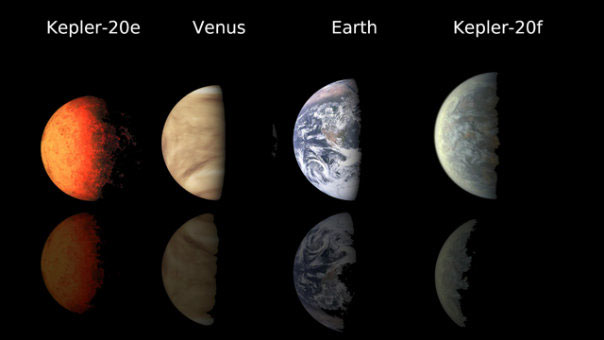
In order for a life similar to Earth to exist on another planet, scientists think aliens must also have three vital components: organic structural molecules can form com…

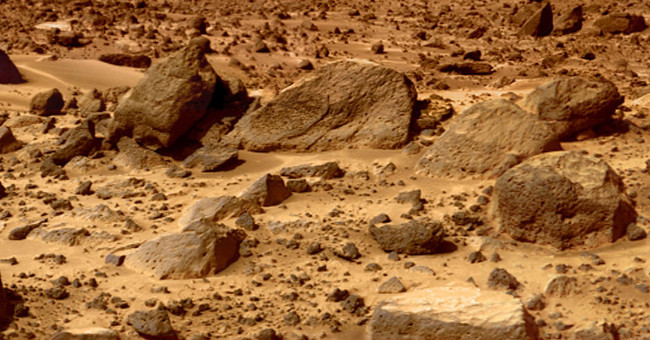
The first rock planet discovered outside the solar system has a terrifying habitat full of hail on the lava sea, a recent study said.

A company that designs habitats for organisms in areas with weak gravity is hoping to bring the first flowering plants to the moon.
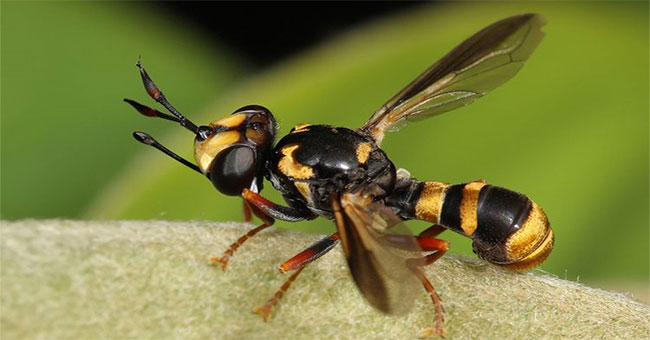
In addition to habitat loss and exposure to pesticides, bees also face increased pressure from Conopid fly parasites.
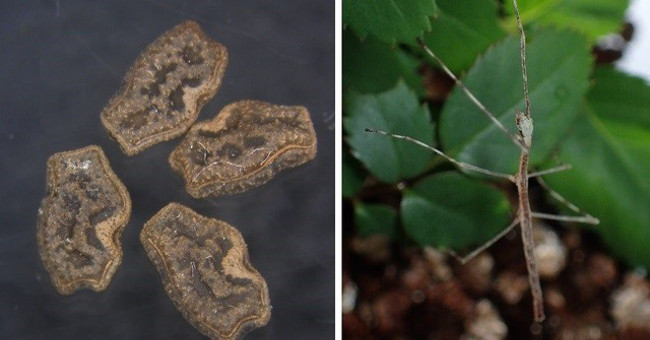
For a long time, the widespread distribution of rod bugs from the mainland to distant islands confused the scientific community.
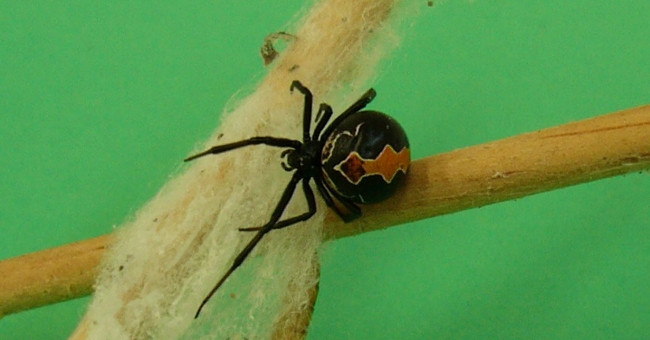
Latrodectus katipo (commonly referred to as katipo) is an endangered spider native to New Zealand.
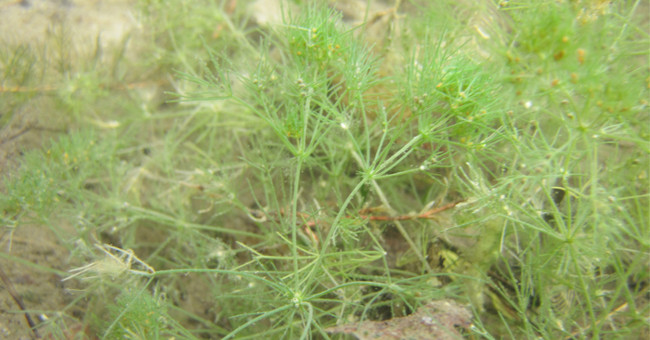
These are large, green algae that provide food and habitat for fish and other aquatic organisms.
For many butterflies, finding a place to stay and rest is not easy. Deforestation, drought, and global temperature changes are greatly affecting their habitats.

More commonly known as Titan, this bug can grow to almost 18cm and its teeth are so strong that it can cut a pencil in half.

Scientists have discovered that some of these tiny
According to Livescience on October 31, a scientist has discovered nine new hairy spiders with vivid colors and living on trees in Brazil, of which four species belong t…
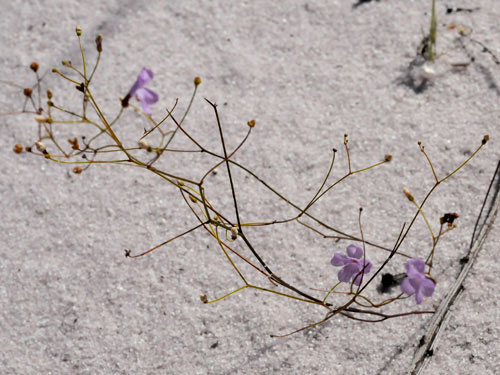
The underground leaves help a tree in Brazil catch and digest worms, a unique way of capturing prey in carnivorous plants that now biologists know.