
Discover science
Explain the strange syndrome of Jerusalem psychosis in Palestine
Just visiting the holy land in Palestine, some visitors will suffer from strange psychiatric Jerusalem, making them agitated, hallucinating or paranoid.
Browse ScienceInfo articles and explainers related to Hallucination.
110 published items.
Just visiting the holy land in Palestine, some visitors will suffer from strange psychiatric Jerusalem, making them agitated, hallucinating or paranoid.
After clinical death, many patients recovered and recounted the strange experiences after
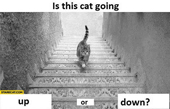
A new photo spread on popular websites like 9gag, Facebook ... has caused a new debate. It is a picture of a cat walking on the stairs. The strange thing is that, when l…
Seeing the light at the end of the tunnel is a common image in the face of death, but in fact, people may have other strange experiences.

Human sensitivity to wetness plays an important role in many aspects of everyday life.
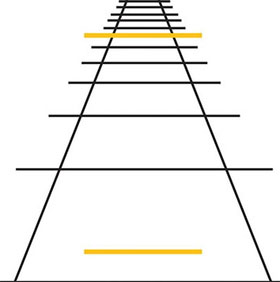
Learn more about the brain and senses in the body
The dark secrets lurking on the surface of the Moon have long been a favorite subject of conspiracy theorists.
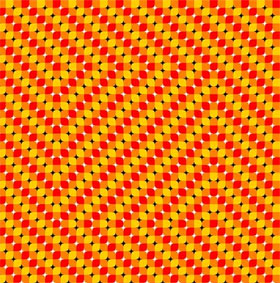
Animated but still-imaginary still images, created by a Japanese professor, are not recommended if you have just eaten it.
Perhaps not at least once in my life, most of us have asked ourselves what it would be like to die. How is that feeling?
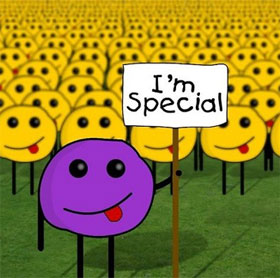
Scientists have found the reason why many people always consider themselves better than others in some aspect of life ...

'I will never forget the shocking words of another officer:' God, Stone, it is a ghost ship ', an officer reported.

Science has taken a very serious look at the phenomenon of shadowing, hoping to support the psychological treatment process for patients.

Apparently, the movements of marbles are contrary to the natural rules: when released, automatic marbles roll from the bottom to the top without the need for external fo…
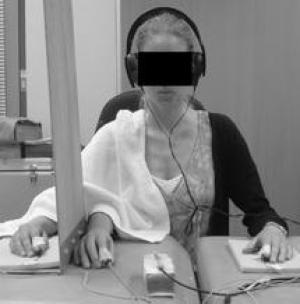
Researchers at Oxford University found that hallucinations make people believe they have a rubber hand, not entirely dependent on the mind.
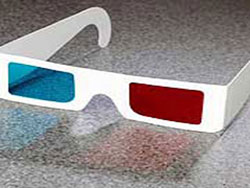
3-D glasses are based on a technique called stereoscopic imaging, in which 2-D images are combined to create an illusion of depth.