Animal world
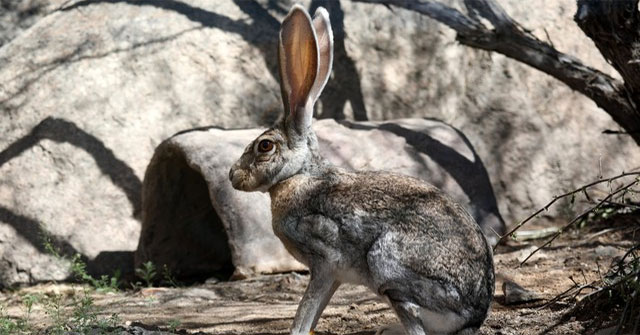
Big ears are also an advantage: The Antelope Jackrabbit's secret to survival!
Antelope Jackrabbits, also known as desert rabbits or antelope jackrabbits, are a large species of rabbit native to North America and Mexico.
Browse ScienceInfo articles and explainers related to Heat.
1,098 published items.
Antelope Jackrabbits, also known as desert rabbits or antelope jackrabbits, are a large species of rabbit native to North America and Mexico.

Climate change can make heavy rains, heat waves, droughts and wildfires more severe and last longer around the world.
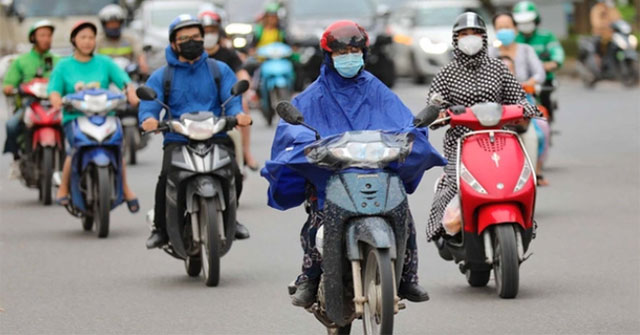
According to weather forecasts, after the April 30 holiday, the North will welcome a weak cold air mass moving down from mainland China. The weather will change, it will…

A seemingly forgotten traditional lifestyle may be the solution to dealing with high temperatures.

Events that were once unimaginable are becoming common as the Earth's temperature continues to increase, surpassing even experts' predictions.

Statistics from the National Center for Hydrometeorological Forecasting show that in the past 10 years, there has never been a year when all three regions, North - Centr…

When running long distances, many people are at risk of heat stroke, even life-threatening. How to reduce the risk of heatstroke, signs of heatstroke and effective first…

According to the World Meteorological Organization (WMO), Asia is the region that has to deal with more natural disasters than any other region in the world.

Many weeks have passed but the hot weather still shows no signs of cooling down in Southeast Asian countries.
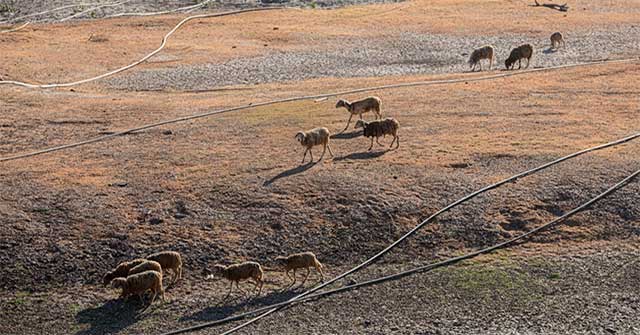
With a dry season lasting 9 months and the lowest average annual rainfall in Vietnam, Ninh Thuan is considered the driest region in the country.

In the context of the fuel crisis and environmental pollution, Antonio Meucci Public High School in Carpi (Italy) has a boiler running on green hydrogen.
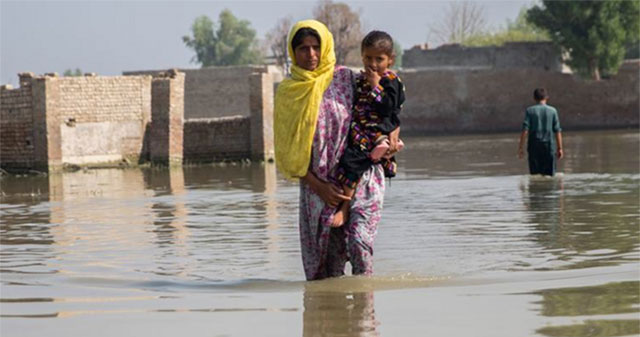
According to experts, climate change is reversing medical progress, posing a great threat to human health.
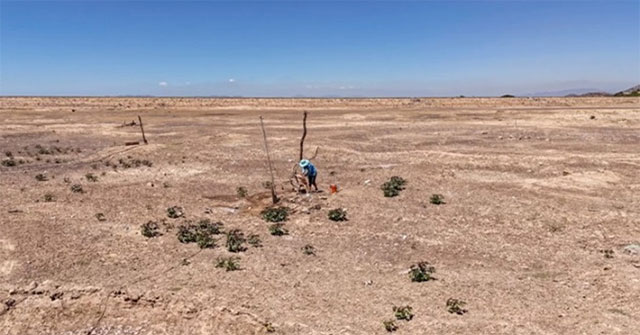
Climate experts predict that extreme heat will return and last longer in Southeast Asia.
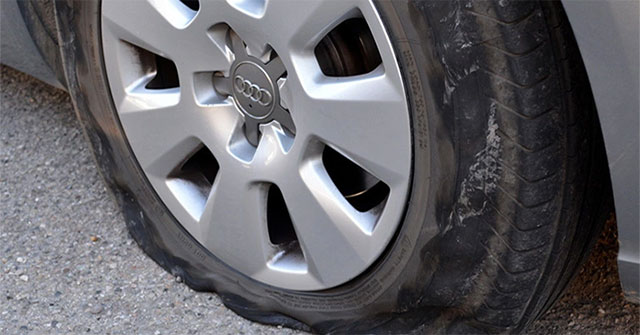
In many countries, car tires can withstand temperatures from minus degrees to over 100 degrees Celsius, but the safety threshold is no more than 90 degrees Celsius.
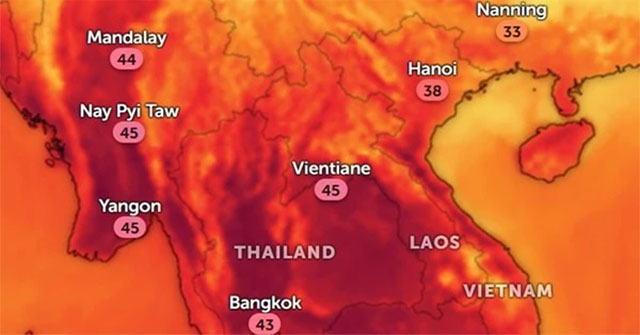
Southeast Asian countries are experiencing consecutive hot days, hot at a level that meteorologists call 'historic' and unprecedented.