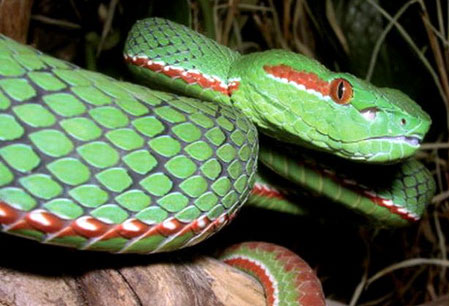
Animal worldScientists say more than 350 new plant and animal species have been discovered in the eastern Himalayan mountains, but now they are seriously threatened by the effects o…
December 16, 2018
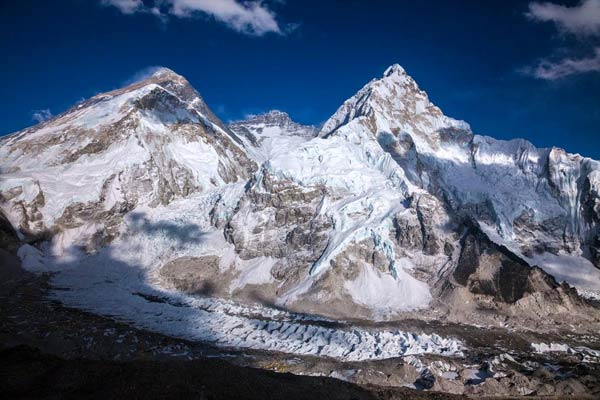
EnvironmentAlthough no accurate data has been obtained after the disaster at the end of last week, geologists have predicted that the highest peak in the world as well as the entir…
December 16, 2018
EnvironmentGlaciers around the world are melting, shrinking and even disappearing completely.
December 16, 2018
EnvironmentThe intergovernmental committee on combating climate change (IPCC), has released a more cautious new forecast regarding the possibility of melting ice in the Himalayas.
December 16, 2018
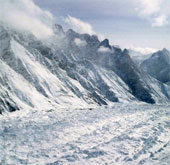
EnvironmentGlacier researchers have analyzed the data on this mountain range and concluded that 'the roof of the world' lost 13%, or about 443 billion tons of ice in the past 40 ye…
December 16, 2018
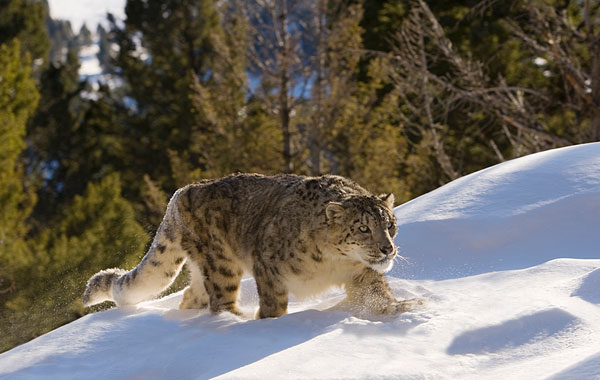
EnvironmentResearch by the International Fund for Nature Protection (WWF) said that if greenhouse gas emissions continue to increase today, populations of snow leopard (Panthera un…
December 16, 2018
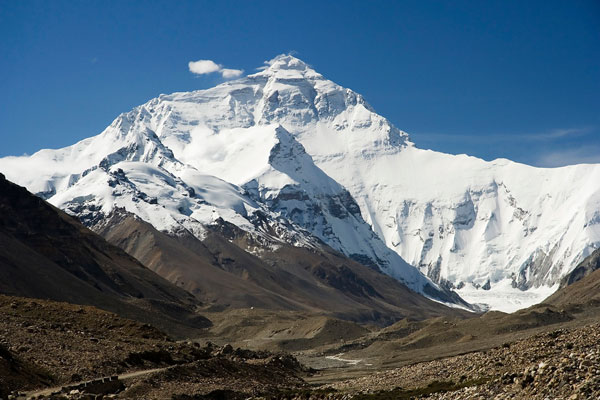
EnvironmentEarth began the process of regenerating surface crust about 3 billion years ago, launching terrible clashes between tectonic plates like today. A new shell is continuall…
December 16, 2018
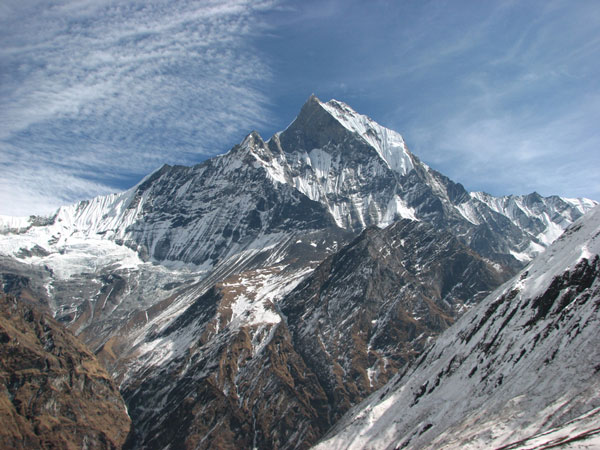
EnvironmentAccording to a new hypothesis, the speed of collisions between tectonic plates on the earth is slowing, creating a great repulsive force affecting the altitudes of the H…
December 16, 2018
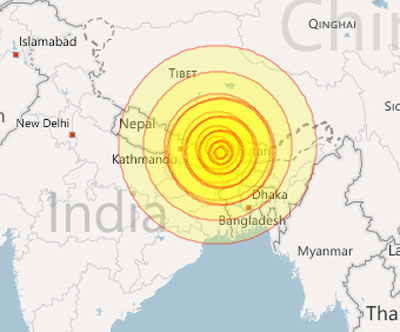
EnvironmentPeople affected by the Himalayan footprint struggled with a difficult life after suffering a seizure of 6.9 on the Richter scale, killing 67 people.
December 16, 2018
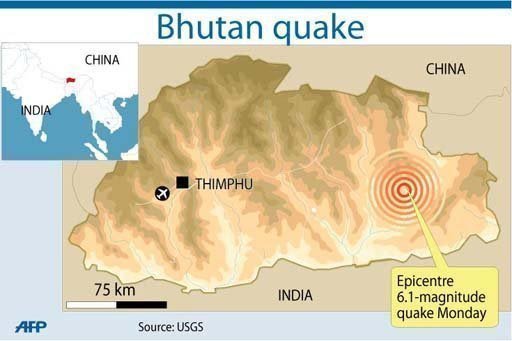
EnvironmentA 6.3-magnitude quake shook the country in the Himalayas of Bhutan on September 21, leaving at least 11 people dead, destroying an ancient monastery and causing hundreds…
December 16, 2018

EnvironmentIs it random or not when all the highest mountains in the world are located close to the equator?
December 16, 2018
EnvironmentHumans and all living beings are indebted to plants, because thanks to them, the earth has not been covered by ice for the past 26 million years.
December 16, 2018

EnvironmentThe health of hundreds of millions of people on the planet could be in danger because medicinal plants are being over-exploited.
December 16, 2018

EnvironmentAbout 50 million years ago, Everest and hundreds of other peaks in the Himalayas used to be islands.
December 16, 2018
