Discover science
The most famous bets in the history of science
The history of science has witnessed many famous bets, thereby helping to reinforce some important theories.
Browse ScienceInfo articles and explainers related to History.
1,661 published items.
The history of science has witnessed many famous bets, thereby helping to reinforce some important theories.

In 2016, 'Mother's Day' was held on May 8 in Vietnam. In many countries,
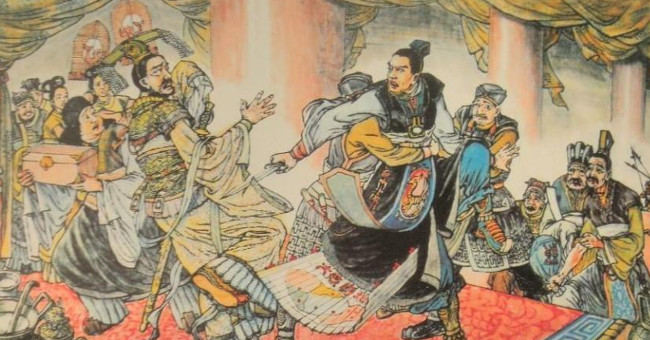
The likes of famous guests in Chinese history such as Kinh Kha, Chuyen Chu, and Chinh Chinh ... all reported their gratitude to their benefactors, not even their lives a…
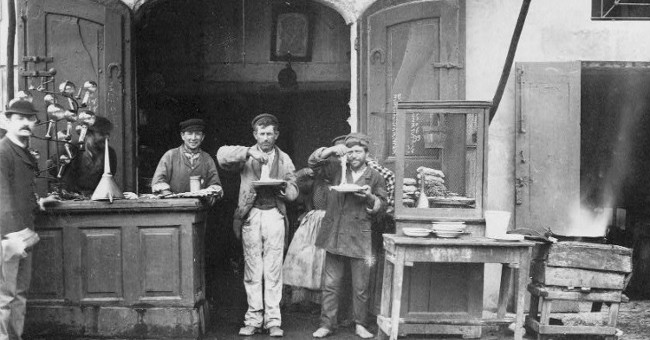
You are accustomed to eating pasta with a fork, but the people of Naples - a place with a long tradition of pasta production have a unique style that is far from what yo…

We must live to the point where everyone must know four basic blood groups including A, B, O and AB. But where do we have to distinguish each blood type?
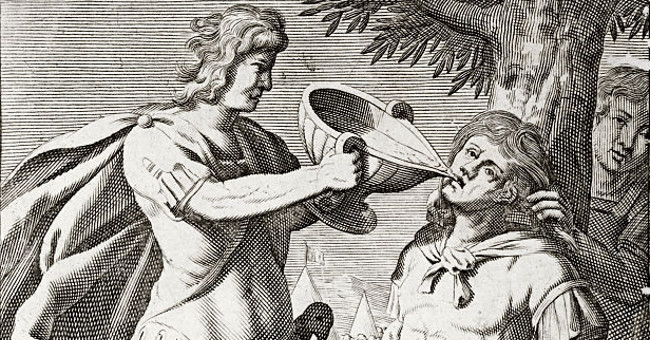
History records how cruel and expensive execution is to pour molten metal down the throat of the offender, causing them to die in pain.
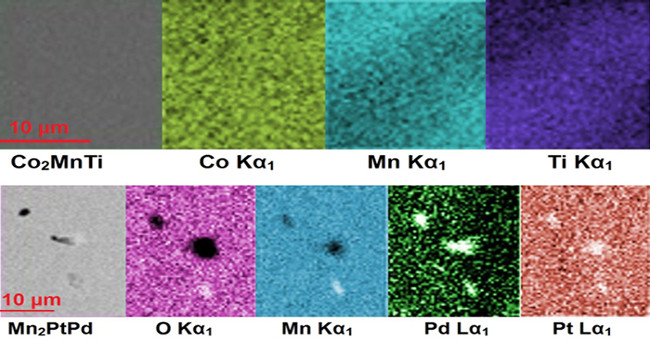
Never in the history of scientists have developed such fast magnetic materials.

Afternoon Tea (Afternoon Tea) comes from England in the early 1840s, is considered a snack around 4pm.

History records many instances of worship, worship of Satan devils, even making agreements to sell souls to demons.

April Fool's Day is also known as a lie day, the date of the day is the first day of April. On this day, people around the world can talk to each other without fear of a…

Not only that, the worst queen of China is also the cause of the weakness of the Tay Tan house and the destruction when it causes disorder

Beng Mealea is a temple located in deep forests in Cambodia and has a longer history than the ancient ruins of Angkor Wat.
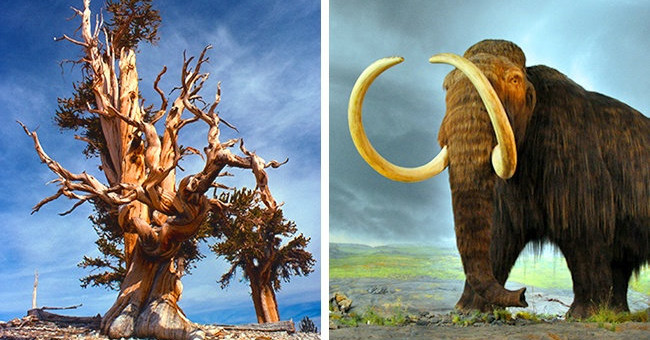
You think Cocacola and Italy, which side has a greater history? The facts in this article will make you surprised.

Some ancient death penalty causes many people to shiver when they hear their names.
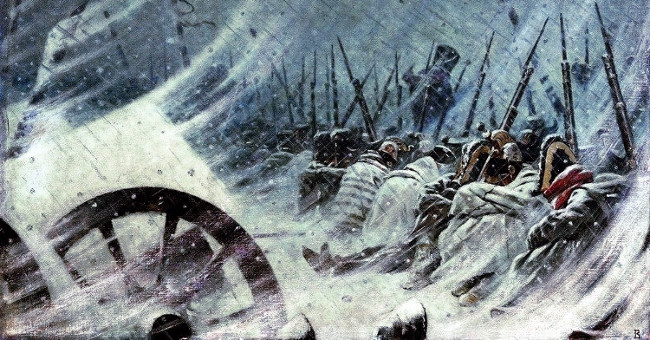
There were battles that took place in extremely harsh conditions, making the results remarkably changed, according to War History.