Medicine - Health
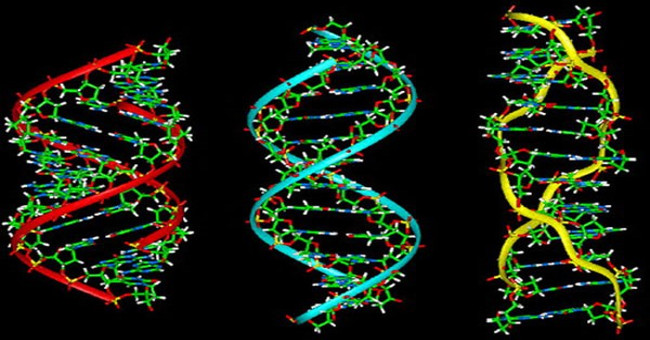
The number of genes does not determine the level of human evolution
About half a century ago, scientists estimated the number of human genes up to millions. But modern research has reduced this number to about 20,000.
Browse ScienceInfo articles and explainers related to Human.
6,757 published items.
About half a century ago, scientists estimated the number of human genes up to millions. But modern research has reduced this number to about 20,000.

Throughout life, people continuously produce new skin and exfoliate skin. However, until now, the scientific community has not agreed on the exact mechanism of this proc…

Of course, the number of days to live without eating is different for each person, depending on health and body weight.

The human body is capable of adapting to the environment very quickly. And these biological changes can last for months afterwards even when these people have returned t…

A rare genetic disorder that causes the patient to become swollen if there is an allergic reaction is causing a headache for scientists who have not found an explanation…

Scientists in Japan have used cardiac muscle cells derived from a monkey's stem cells to treat the sick hearts of five other monkeys.

The difference in the brain and intelligence of young children depends on how parents treat them.

According to Dailymail, doctors have just completed an operation longer than 1 hour to remove the 17.78 cm long tail on a young Indian male.

Human lifespan never lasts forever, unless there is a breakthrough that can handle all age-related health problems.

In the autumn, people work better, are more sad, often sleep and need more sex.

Natural evolution and selection have made the human body adapt to HIV.

In addition to the usual 5 senses, humans also have the ability to perceive space, senses based on genetics.
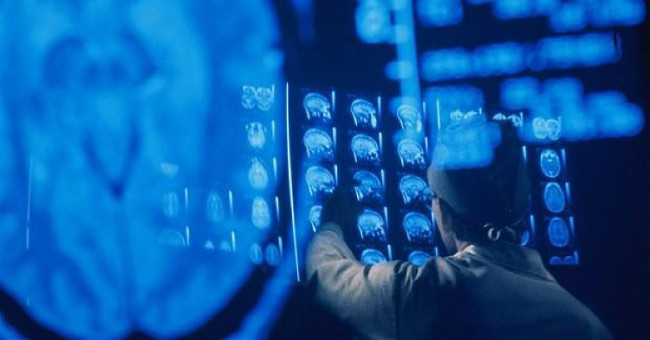
According to the British newspaper Telegraph, Indian authorities have allowed to conduct a groundbreaking experiment with the ambition to recreate the dead brain.
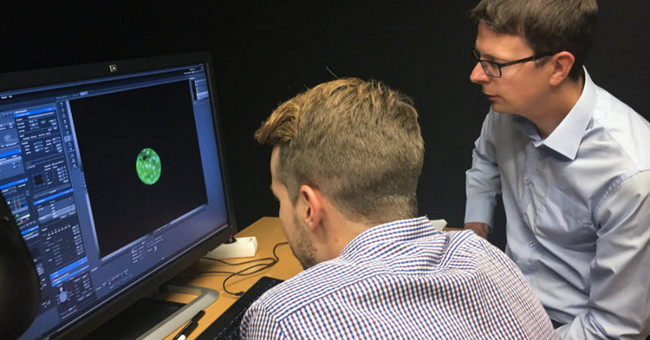
Fredrik Lanner, a Swedish scientist last week, sparked a wave of controversy when interfering with the genetic information of a healthy human embryo.
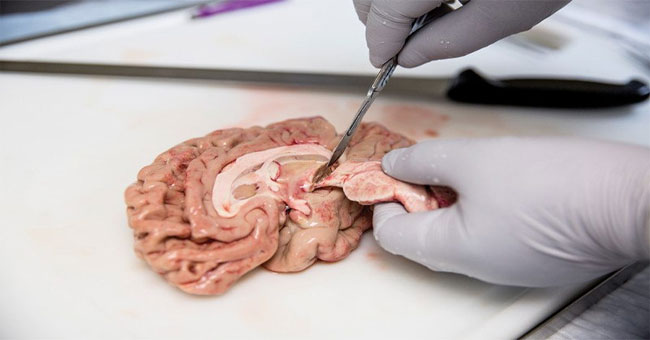
The donor's brain will undergo careful dissection and preservation at the world's largest brain bank in the United States.