
Scientific works
Honey has the potential to produce brain-like computer chips
New research shows that using honey to create a memristor - a component similar to a transistor, can not only process but also store data in a computer chip.
Browse ScienceInfo articles and explainers related to Human.
6,757 published items.
New research shows that using honey to create a memristor - a component similar to a transistor, can not only process but also store data in a computer chip.
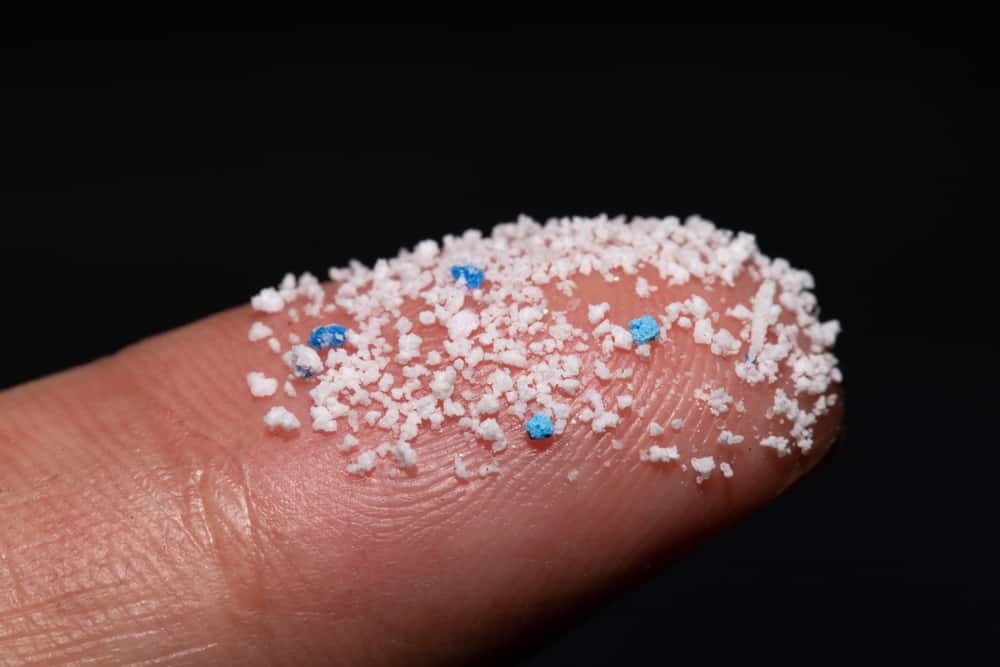
For the first time in the world, scientists have discovered microplastics deep in the lungs of living people. Before that, this substance was fine

Architecture student André Ford has proposed a new system of captivity for chicken farms, and the model is no different from the way we humans are kept in captivity in t…
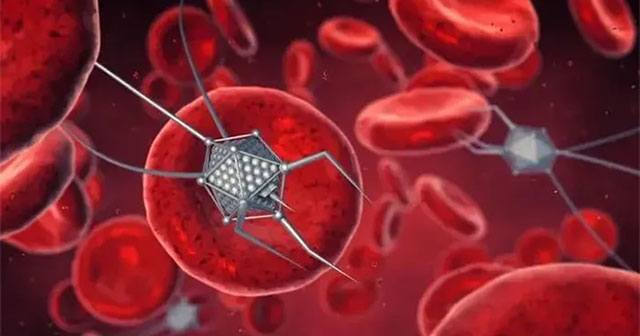
What if there was a magical robot with the ability to cure any disease? That is a silly question.
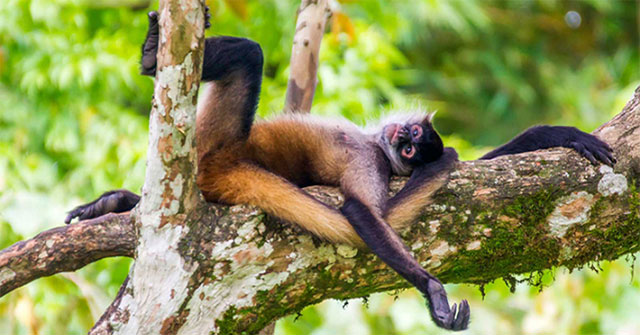
US scientists have discovered for the first time a primate that consumes and metabolizes ethanol without human intervention.

NASA scientist raised the idea of making hollow bricks suspended at an altitude of 48 km on Venus, forming the foundation to build a city.

A team of experts from the US National Human Genome Research Institute has published the first complete human genome, completing the work of previous scientists.

In a recent interview with Mathias Döpfner, Elon Musk suggested that humans can upload their memories and personalities to Optimus - the robot developed by Tesla.

An artificial intelligence program wins over world champions in bridge game that requires many skills only found in humans.

White phosphorus causes fire and serious injury to humans. This is considered an incendiary weapon that works on the principle of chemical reaction.
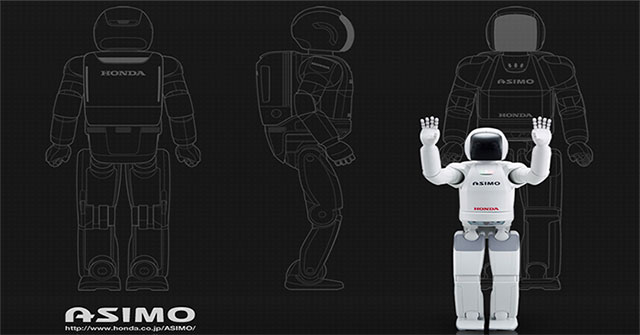
The human-shaped Asimo robot of the Japanese automaker Honda will officially retire from March 31 after 20 years of continuous dedication.

Human history has largely forgotten the 'jewel' of Khotan, the cradle and cultural bridge of Buddhism on the branch of the Silk Road.
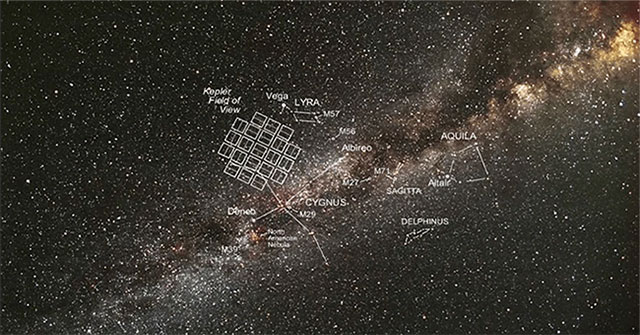
This discovery brings the total number of habitable, near-Earth-sized exoplanets to about 50.

US researchers have managed to regrow the amputated legs of frogs, offering hope that the same could one day be achieved in humans.
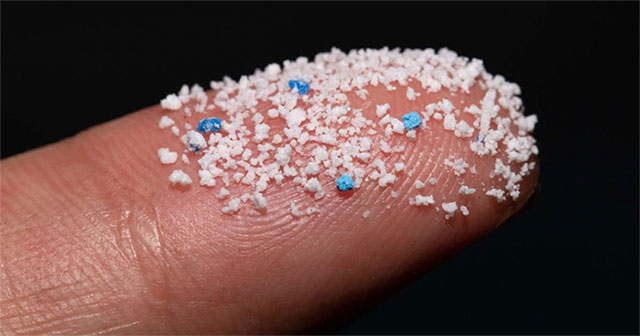
The new discovery shows that these microplastics can move around the body and reside in different organs.