Environment
Ice in the Arctic Ocean
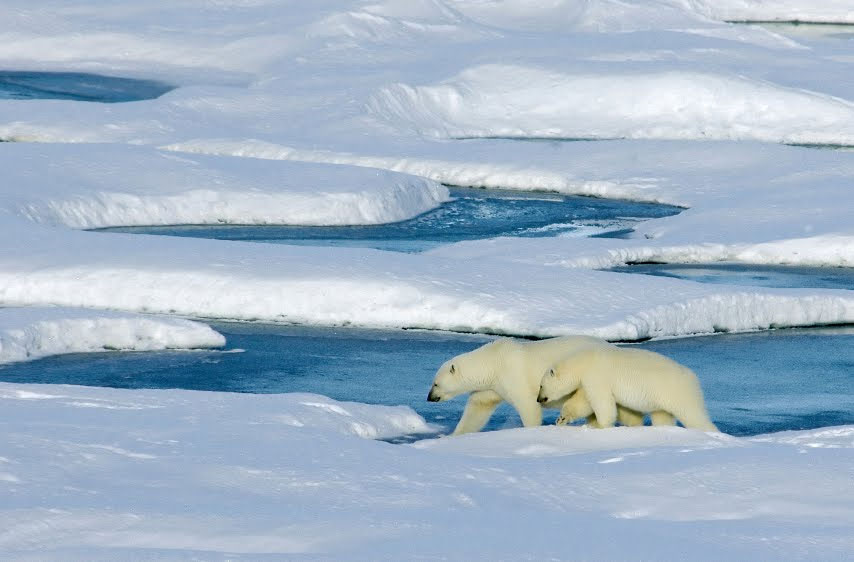
A leading oceanographer in the UK judged that the ice area on the surface of the Arctic Ocean was falling so quickly that it could disappear completely within four years.
Browse ScienceInfo articles and explainers related to Ice.
1,605 published items.
A leading oceanographer in the UK judged that the ice area on the surface of the Arctic Ocean was falling so quickly that it could disappear completely within four years.
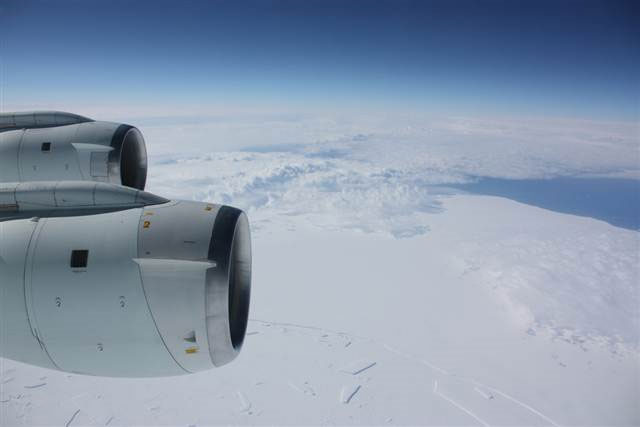
A large fissure with a length of nearly 30 km was discovered on a glacier in Antarctica and this is a sign that a giant iceberg larger than New York City is about to for…
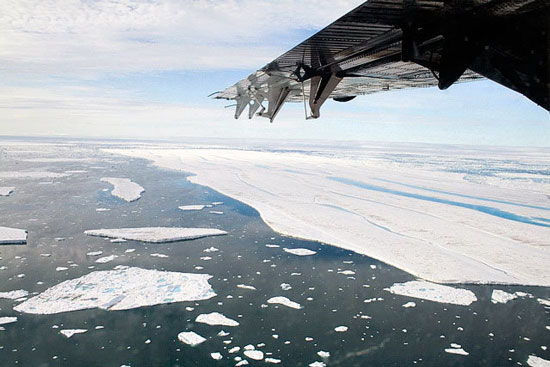
The image of cracks on the giant ice sheet in the Arctic is seen as clear evidence of the damage caused by global warming.
The earth warms and the ice is melting, but contrary to the speculation of scientists, the water levels in the Arctic lakes not only do not rise but also ... lower. Some…
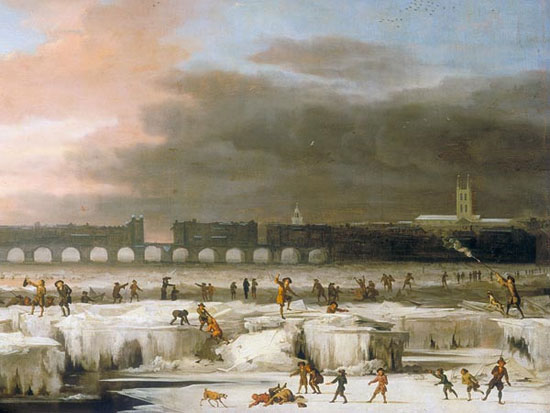
In the 1600s in Europe, the crisis was comprehensive with a series of social fluctuations such as war, inflation, starvation.
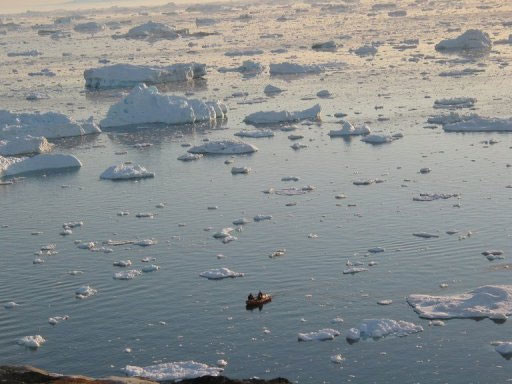
According to research by German scientists, the Arctic ice volume this summer has reached a record low due to the warming of the global climate.
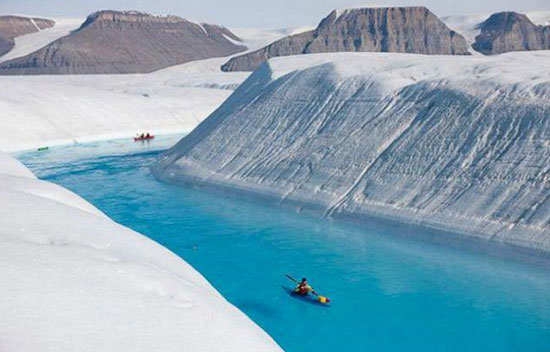
A large block of ice equivalent to four times the size of New York's Manhattan district has separated from a Greenland glacier and melted, shocking regional research sci…
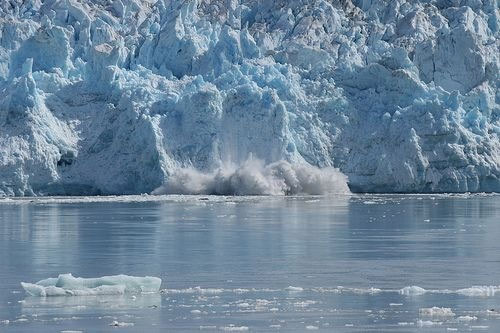
News from the Japan Aviation Exploration Agency and the US space exploration agency said scientists from the two countries have discovered Antarctic glaciers are melting…
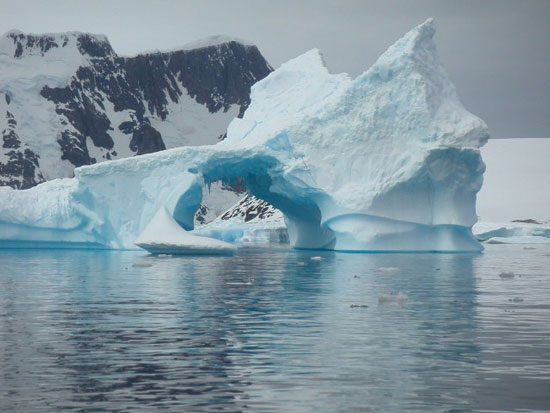
US scientists have confirmed that the Arctic ice sheets are thinning at a rate four times faster than the UN Intergovernmental Panel on Climate Change (IPCC) forecast.
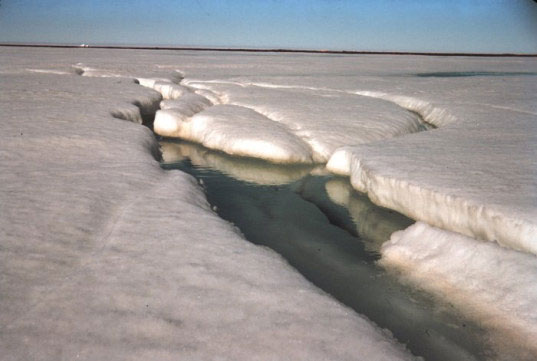
Recent research shows that the Arctic will move from a carbon-containing state to a carbon source when the permafrost will emit greenhouse gases.
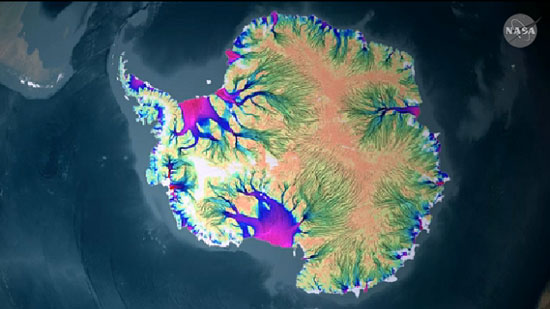
The first complete map of the speed and direction of the Antarctic glaciers has been completed by scientists under the auspices of NASA, the US National Air and Space Ad…
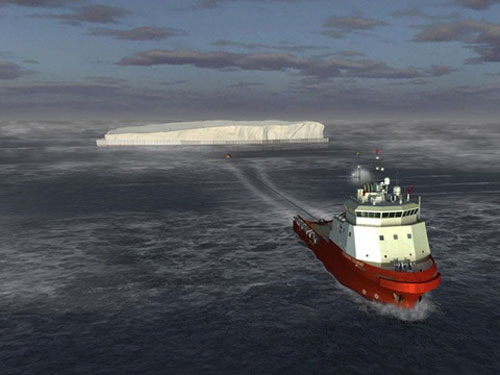
As a 'nightmare' of ships moving near the Arctic, icebergs are now seen as an effective solution for countries that are scarce in fresh water.
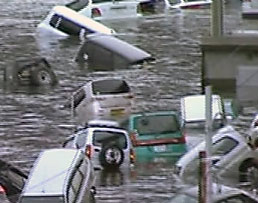
The tsunami on March 11 in Japan was so powerful that it broke many large blocks of ice in Antarctica, a few thousand kilometers from Japan.
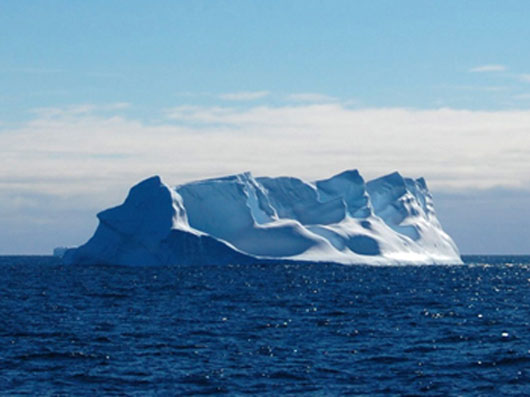
A group of French experts have successfully implemented a model of dragging a giant iceberg from the North Atlantic to northwest Africa, a realistic project that will he…
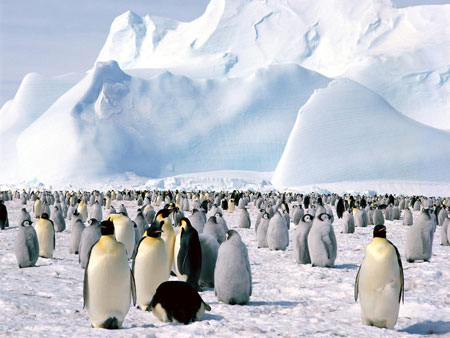
New Hampshire reports Donald Argus, a scientist from the US Aerospace Agency (NASA), and colleagues using global positioning satellites data for 15 years to track Antarc…