Funny corner
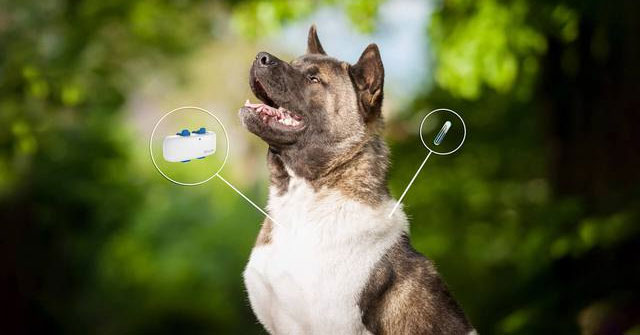
Why did Japan decide to use 'identity cards' for pets?
Japan has made the decision to chip in pets to do
Browse ScienceInfo articles and explainers related to Implantation.
36 published items.
Japan has made the decision to chip in pets to do
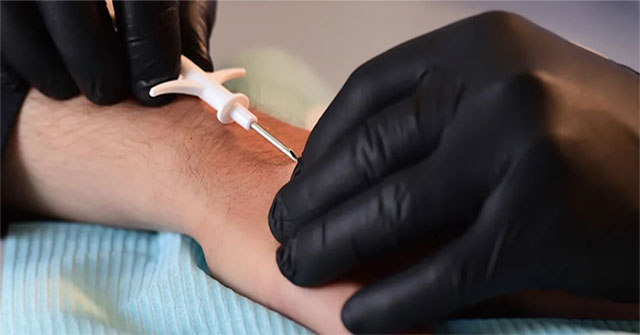
By implanting a microchip, users no longer need to carry around keycards, identification cards, and even train tickets.

Given the role of technology in today's life, it is not so much to say that technological development will be part of human evolution.
Head implants can be confused with body implants and head implantation techniques do not work with frozen heads.

The US researchers said that the successful creation of 14 mammoth genes and implantation into elephants will bring mammoths back to Earth.

Scientists at the University of Tokyo, Japan, said they have successfully implanted into the animal body C60 that can carry genes to apply in medical treatment.

Two Japanese scientists used gene implantation techniques to create monkeys with green hair, luminescent skin and blood vessels under special light.
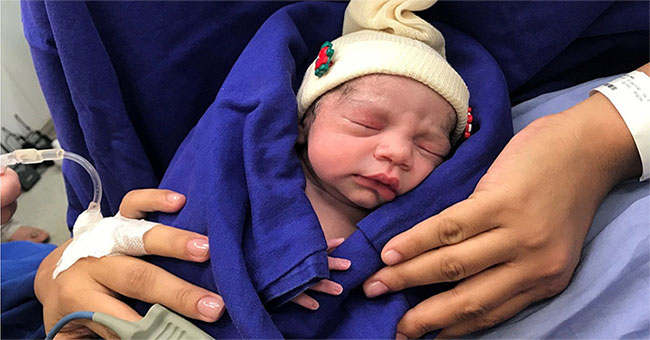
The mother of the unborn baby was born with a rare genetic disorder. The donor is a 45-year-old woman who has given birth three times and died of a cerebral vascular rup…
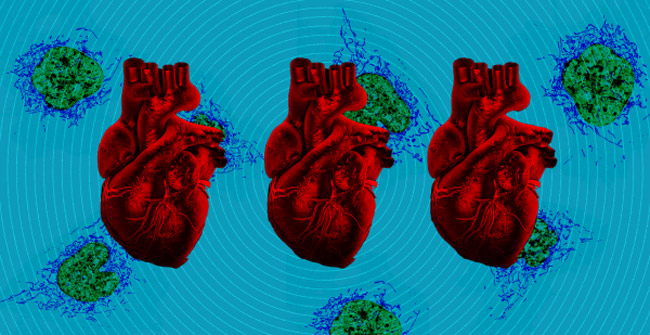
The new technology is developed by doctors at Boston Children's Hospital, promising to provide a healthy, normal life for many heart-damaged babies.
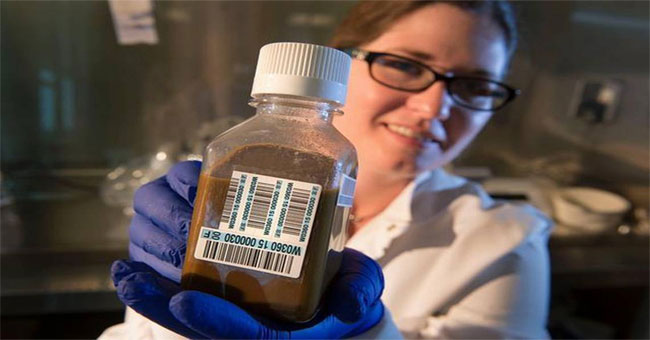
We have heard about donating bone marrow, sperm, blood, even breast milk. And do you believe it?

Recently, two Chinese surgeons said they are developing a new technique to perform headcatches unprecedented in history.
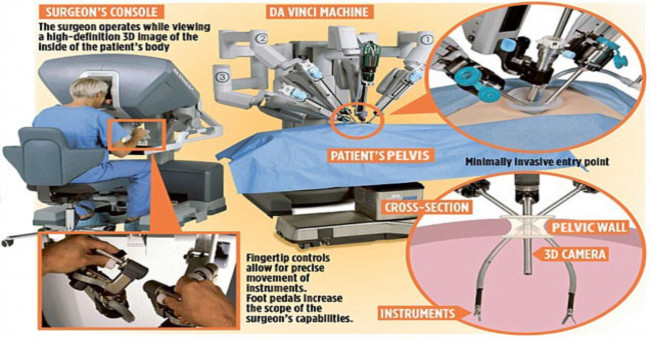
This ovarian cyst has been refrigerated for 11 years to avoid chemotherapy cycles that may cause infertility.
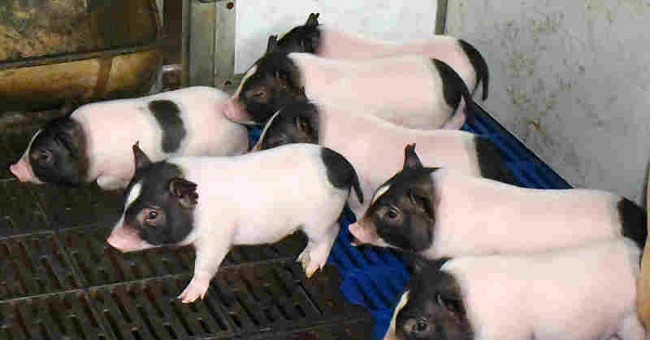
Recently, Chinese scientists have created 12 low-fat pigs using CRISPR / Cas9 genetic modification techniques. They cut a gene in the mouse and stuck it into the pig emb…
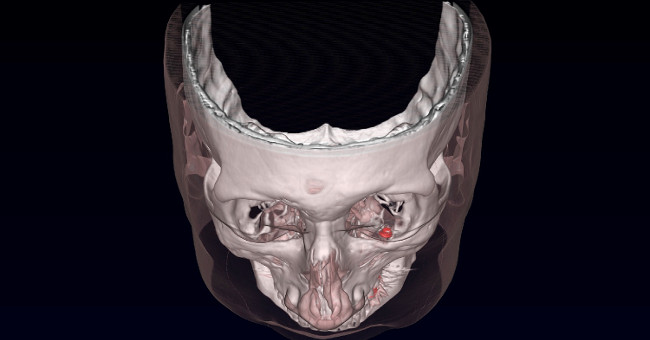
The newly developed process allows stabilizing the position of the eye through the implantation of titanium magnets into the eye socket.
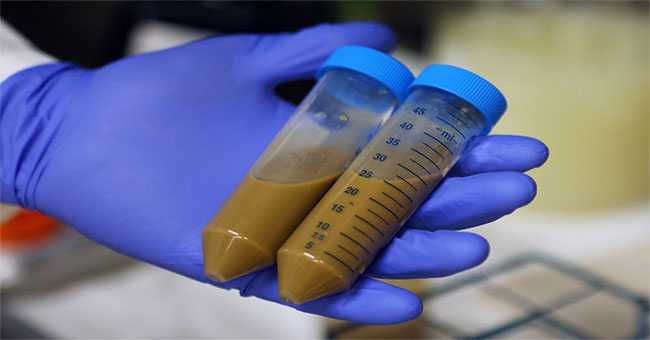
Implantation is expected to become the future of medicine but there are still many questions to answer.