Medicine - Health
How phenol and cyanide destroy health
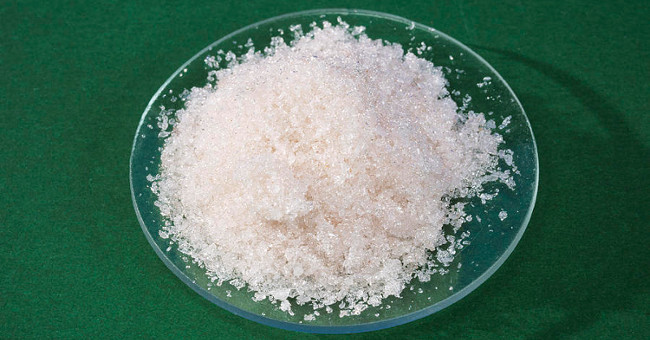
Phenol and cyanide are toxic chemicals, if swallowed or exposed to certain doses, can be fatal.
Browse ScienceInfo articles and explainers related to Industrial.
255 published items.
Phenol and cyanide are toxic chemicals, if swallowed or exposed to certain doses, can be fatal.

Mercury in liquid form is less toxic, but its compounds and salts are very toxic and cause brain damage, liver, and human exposure, breathing or ingestion.

Scientists at a London lab are preparing plans to produce industrial DNA for biotechnology.

It is Nonylphenol Ethoxylates - organic chemicals that can disrupt the animal and human body hormone structure.

Common floor mats are made of synthetic fibers, fibers derived from oil. It can produce 120 dangerous chemicals that cause asthma, allergies, neurological problems and c…

Australian scientists are now collaborating with the world science world to prepare to deal with the next human pandemic.

A group of Australian industrial shaping scientists has successfully developed the first electronic eye in the world, the device can help thousands of blind people in th…

The group of scientists from the Institute of Industrial Engineering Research in Tsukuba City, Ibaraki Prefecture, Eastern Japan, developed this kind of miraculous featu…

It can be said that urban people have a better life than rural people. However, urban life also increases the risk of many chronic diseases.
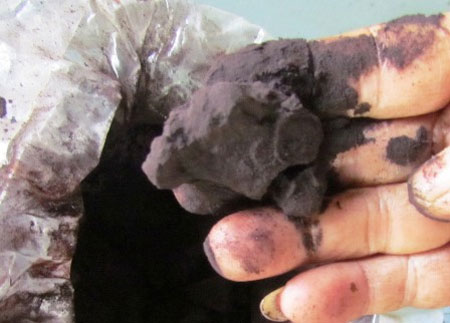

Scientists warn that wood-burning heaters can produce toxic substances that increase the risk of cardiovascular disease and cancer.
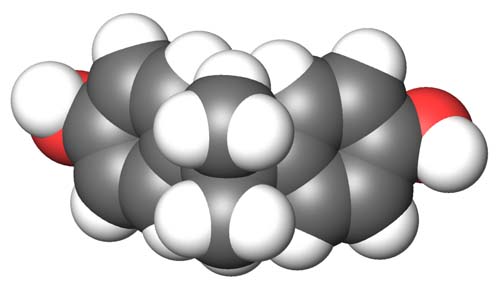
Women with polycystic ovary syndrome (PCOS) are at increased risk of bisphenol A - a widely used industrial chemical - in the blood.

In the world, more and more children are experiencing respiratory problems such as coughing, shortness of breath and asthma.

Tests show that the toy particle is covered with 1,4-butanediol industrial chemical. When ingested, this chemical is converted into gamma hydroxy butyrate, and causes br…

French researchers from the National Center for Scientific Research (CNRS) and the Paris College of Industrial Chemistry (ESPCI) have found a new, less expensive and eff…