
Discover science
Writing helps to heal wounds
The study was led by Elizabeth Broadbent, a health psychology lecturer at Auckland University, New Zealand who surveyed 49 healthy elderly people, ages 64 to 97.
Browse ScienceInfo articles and explainers related to Injury.
231 published items.
The study was led by Elizabeth Broadbent, a health psychology lecturer at Auckland University, New Zealand who surveyed 49 healthy elderly people, ages 64 to 97.

Geniuses are people with supernatural memory abilities, creativity and excellent intelligence. However, not all of them are innate talents, many of them sometimes come t…

Scientists at the Southwest Medical Center, University of Texas (USA) have discovered the heart of newborn mammals that can restore function after injury.

According to US scientists, silicone oil helps reduce eye damage when patients use radiation therapy to treat tumors.

A combination of medication, electrical impulses and regular exercise can cause rats to become paralyzed and even run at their normal ability.
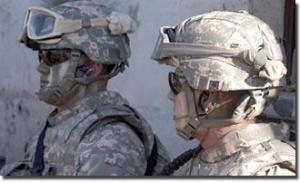
New research on the effects of wave explosions can help deepen understanding of head injury and improve the design of protective helmets for soldiers.

Snake bites are the cause of many world deaths and injuries, and are a significant risk to public health.


After the sharp iron rod pierced the head of a worker in the United States, he still drove himself home and lived for another 12 years.

Canada has just announced the first case of a woman with a rare brain syndrome: recovering from a stroke, she began to speak in a different voice.
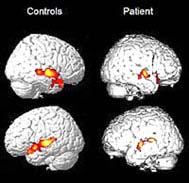
Brain scans a 23-year-old woman, who suffered an injury due to a traffic accident and has been in a coma for 5 months, the researchers found that patients were still abl…

A recent study in squid showed that the feeling of prolonged pain due to injury is an unpleasant thing, but plays an important role in the evolution process.

The skeleton was found during the excavation of a grave in northern Italy and is the second physical example of wounds attached to crucifixion, with right heel injuries.

According to Newsweek, these remains date from 1200 to 500 BC.
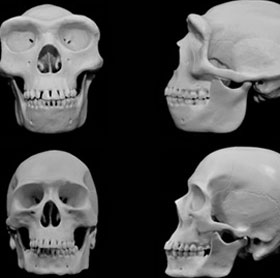
Research evidence from the ancient people (who walked by 2 limbs) showed that the human face evolved to minimize the possibility of injury when fighting.