Animal world
Pollinated species on the momentum of extinction
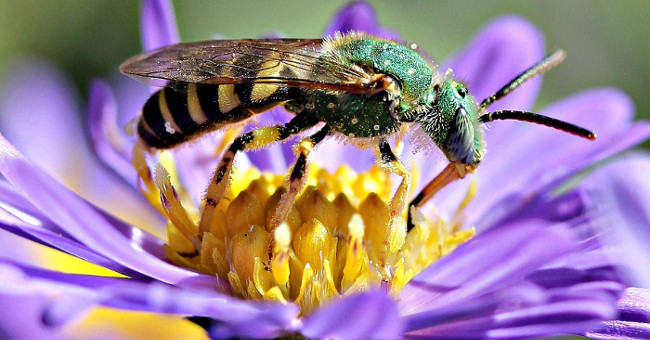
According to a new UN report, many invertebrate pollinators such as bees, butterflies and vertebrate pollinators such as hummingbirds and bats in the wild are on the bri…
Browse ScienceInfo articles and explainers related to Invertebrate.
62 published items.
According to a new UN report, many invertebrate pollinators such as bees, butterflies and vertebrate pollinators such as hummingbirds and bats in the wild are on the bri…
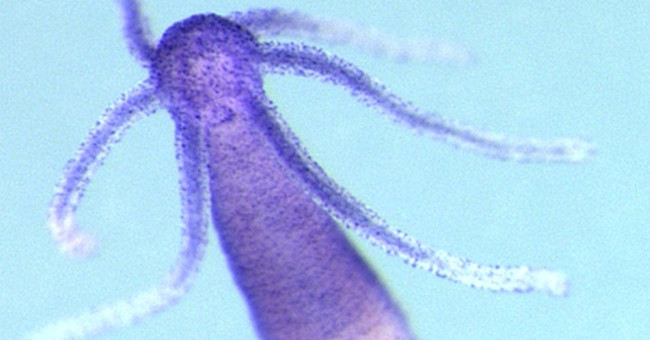
With continuous regeneration, water is the only animal that is not affected by the aging process.
The record for the world's most noisy animal belongs to the blue whale, while the

Scientists believe that an immortal freshwater invertebrate species and some other species will live longer and healthier.
Australia Radio on 2/3 night reported that the International Police Organization (Interpol) held its first meeting to solve illegal fishing.
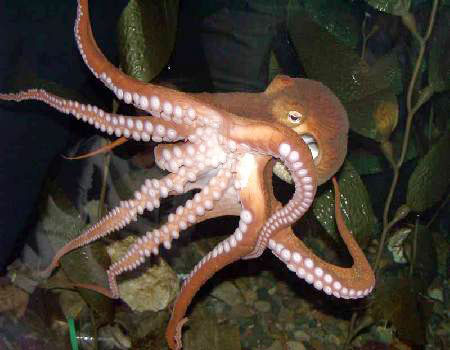
Recently, scientists at Hebrew University, in Jerusalem, Israel, discovered octopus not only smart, but they could also do some pretty good coordination.
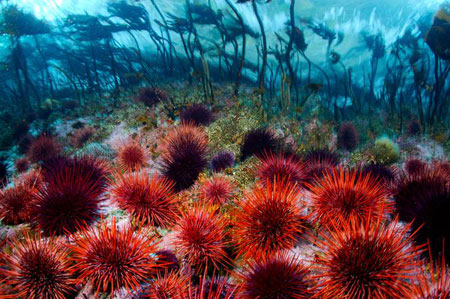
Scientists know that sea urchins (also known as prickly urchins), one of the invertebrate groups, have no eyes or any organs like eyes.
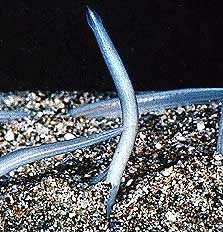
The boneless fish is a precious animal, scientists discovered that the boneless fish lived about 500 million years ago, and still retain their original character. This i…
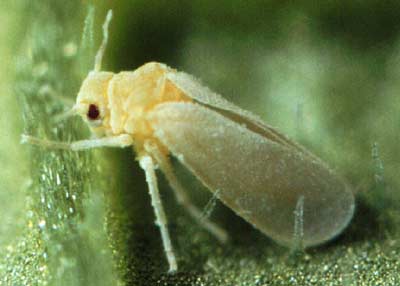
This sweet potato fly is a dangerous type of food for food crops and fibers worldwide. The damage occurs due to the muddy and plastic smoke on the leaves of the tree, wh…

Migratory slime crabs originating in Asia have contributed to extinction of native invertebrates in many places, which alter the habitat by burrowing operations and cost…
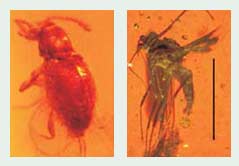
The group of researchers led by Pierre-Olivier Antoine of Toulouse University (France) has discovered new invertebrate species preserved in amber from 12 to 15 million y…
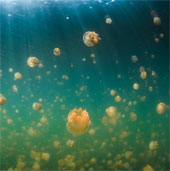
Jellyfish are invertebrates, with about 95% of the body being water. This species appeared more than 650 million years ago, before dinosaurs.
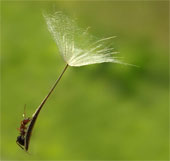
Insects are the most widely distributed invertebrate on Earth, with more than 1 million species described.
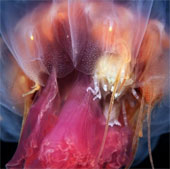
Unique photographs of invertebrate species are part of the 3-year ocean discovery process by scientists and photographers.

Giant forest scorpion (Heterometrus swammerdami) is the largest scorpion in the world with a length of 23cm, twice as large as the Vietnamese scorpion.