
Archeology
Find coins, be treasure
David Booth, the British, found four gold necklaces buried 15 cm below the ground using an ancient metal detector.
Browse ScienceInfo articles and explainers related to Iron.
415 published items.
David Booth, the British, found four gold necklaces buried 15 cm below the ground using an ancient metal detector.
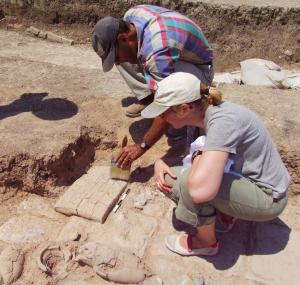
During excavation at a newly discovered temple in southeastern Turkey, the archaeological team led by the University of Toronto obtained stone tablets dating back to the…
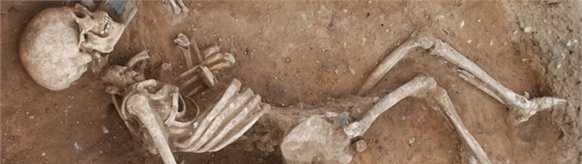
The new skeleton was discovered in one of the most important regions of England in ancient Rome which is confusing for experts from Nottingham University.
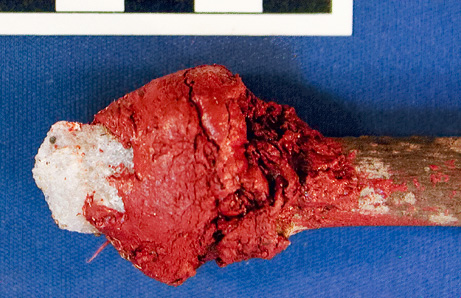
Stone age humans are master chemists. A recent study said that they can synthesize an extremely complex natural glue.
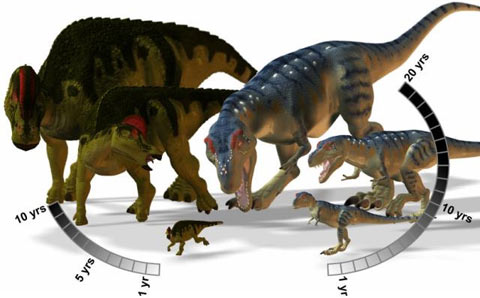
Without a hard shell like iron to protect the body, plant-eating dinosaurs are forced to increase their body sizes to survive. In adulthood, they grow faster than carniv…

An ancient Danish with an Arab gene group - part of a DNA study - shows that Scandinavian people 2,000 years ago are more genetically diverse today.

Surely they knew many unusual things waiting for them. Before the Englishmen sailed to Virginia in the early years of the 17th century, all previous European attempts to…

The Iron Age life may be disgusting, vulgar and short-lived, but people still had enough time to make hair and nail polish, but this was only for them.
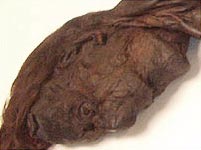
Archaeologists have discovered two Iron Age corpses buried in peat in Ireland. Both are men, living more than 2,000 years ago, and being victims of a barbaric sacrificia…
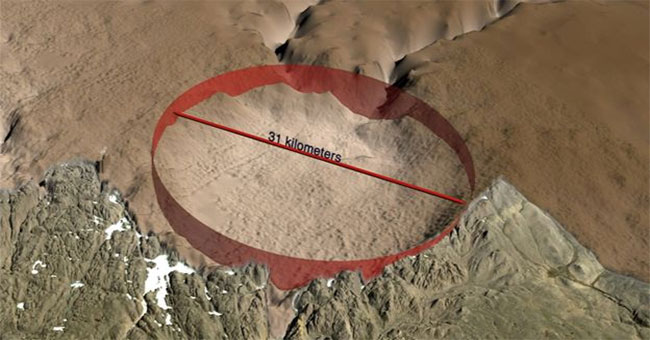
Scientists estimate that meteorites can be composed mostly of iron, about 1.5 km in diameter and weigh about 12 tons.
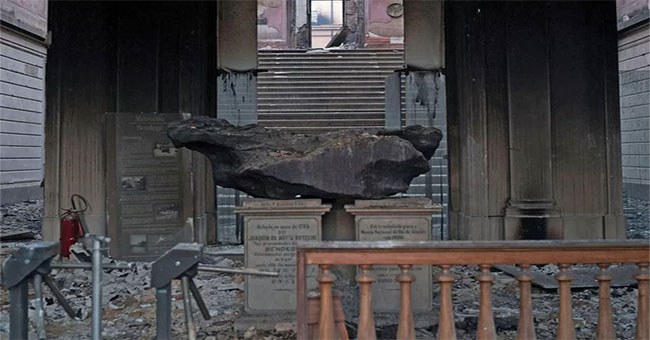
The largest meteorite piece discovered in Brazil with the main component is iron - nickel alloy that can withstand very high temperatures.
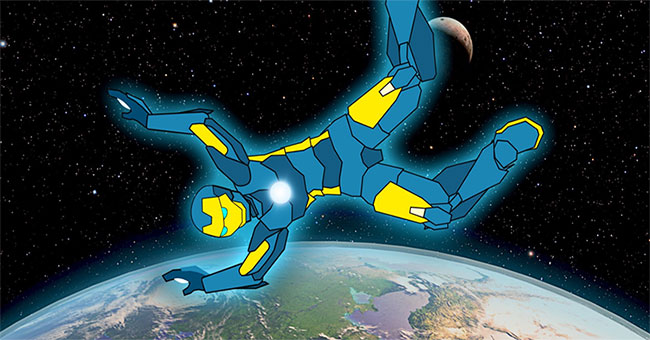
If parachuting from the ISS station, you run the risk of crashing into cosmic garbage, burning down when friction with the atmosphere, being truncated by the limbs.
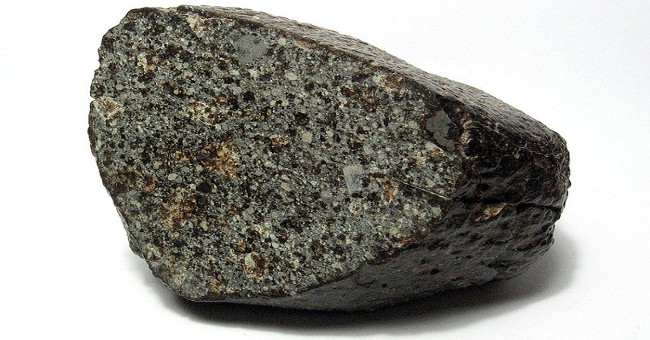
Chondrit is the most common meteorite falling to Earth with estimates of the ratio between 85.7% and 86.2% of meteorites falling to Earth.
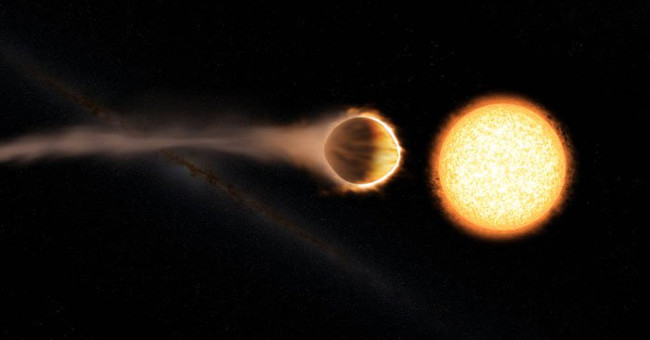
A group of international researchers discovered glowing water molecules in the stratosphere of the planet outside the solar system called WASP-121b, New Scientist on 2/8…
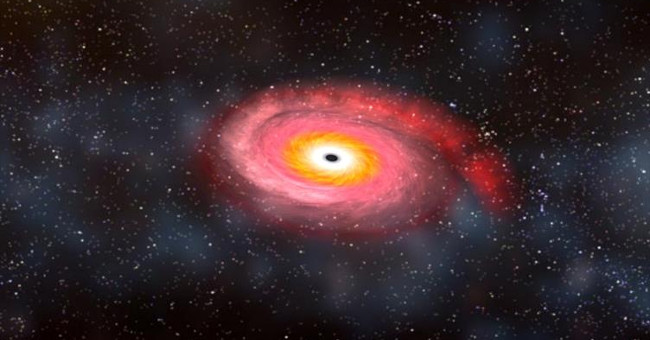
Neutron stars are the most dense star in the universe. It is estimated that only a scoop of neutron star's surface matter weighs three billion tons, 900 times the mass o…