Space science
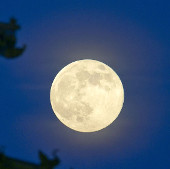
China plans to explore the Moon's dark zone
China's Hang Nga 4 spacecraft is expected to land in the dark areas of the Moon before 2020.
Browse ScienceInfo articles and explainers related to Land.
1,627 published items.
China's Hang Nga 4 spacecraft is expected to land in the dark areas of the Moon before 2020.
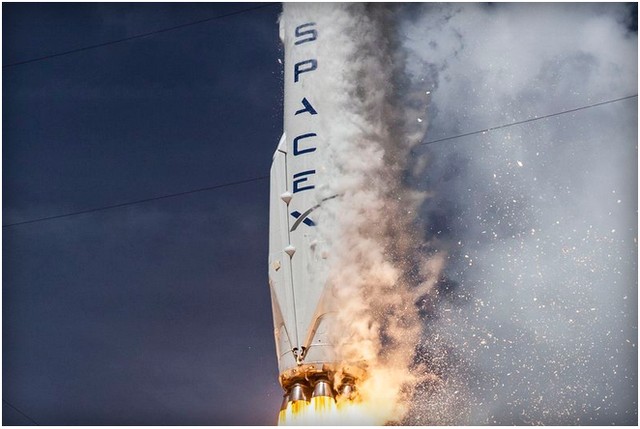
On June 28, SpaceX launched the Falcon 9 missile in its third attempt to land landing. Unfortunately, the test failed more than twice before, when the Falcon 9 rocket ex…

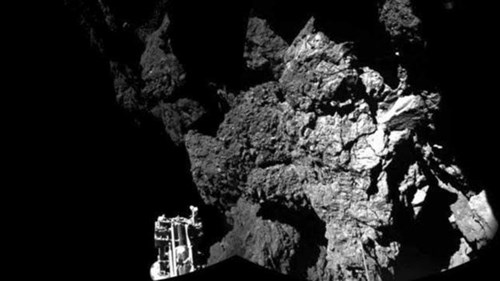
The Rosetta spacecraft took 10 years to cross the journey of more than 6 billion km to bring the robot Philae to land and study comets 67P / Churyumov-Gerasimenko.
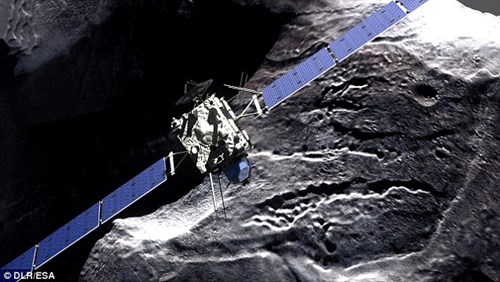
The European Space Agency (ESA) has recently proposed that Rosetta spacecraft rush into the comet surface 67P / Churyumov-Gerasimenko. Then there will be 2 scenarios, or…
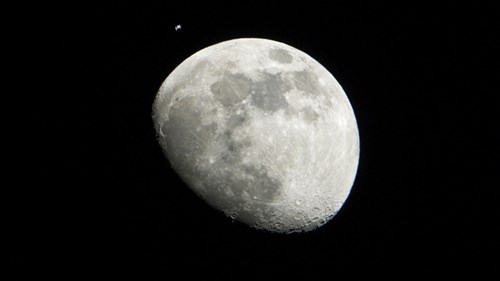
China is planning to take the Hang Nga 4 probe into the dark side of the moon. This is an undiscovered area and has many mysteries with people.
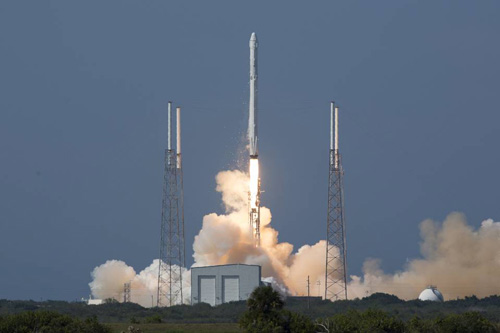
In order to lower costs, the Pentagon launcher vendor proposed a method to use missile capture technology to land on Earth with an aerial hook so that they could be reus…
The analysis results from the self-propelled Rabbit Ngoc show that the Moon used to be a place with a more complex and complex surface than previously thought of the sci…
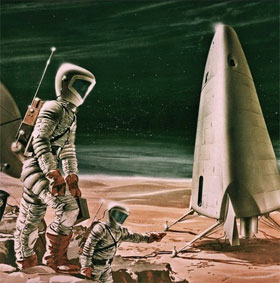
In fact, we face huge limits, almost unbreakable to be able to travel space, explore the universe, and search for planets of life.
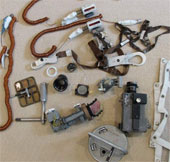
Two years after Neil Armstrong's death, his wife discovered a cloth bag containing the camera and tools that the astronaut had brought to the Moon.
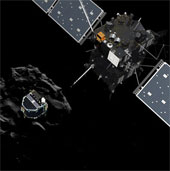
Europe's Philae space probe can continue its mission to explore the surface of Comet 67P / CG in March after a period of inactivity due to low battery.
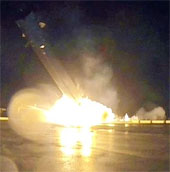
On January 16, it should have marked a historic milestone in the air exploration industry if SpaceX (the company of billionaire Elon Musk) can successfully land the 1st…
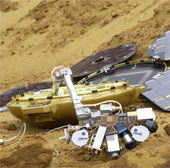
The British Beagle 2 ship was found on the surface of Mars in its entirety, after 11 years of losing contact.
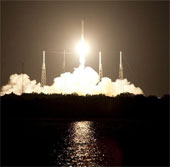
A mission to supply essentials to the international space station ISS will also completely change the future of space exploration.