Biology
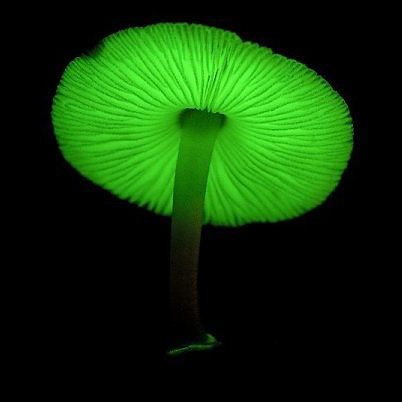
Detecting night glowing mushrooms in Brazil
Researchers at San Francisco State University, USA, have found bioluminescent fungi that have never been seen since 1840.
Browse ScienceInfo articles and explainers related to Light.
3,286 published items.
Researchers at San Francisco State University, USA, have found bioluminescent fungi that have never been seen since 1840.
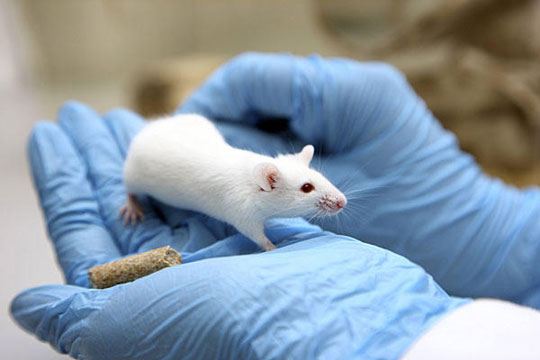
Among the characteristics of living things and humans, feeling the world around you with the sense of smell is still the most mysterious thing.
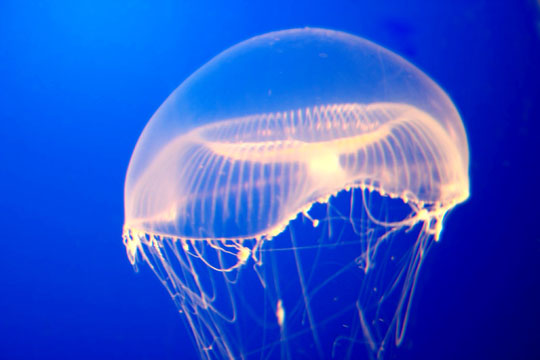
Swiss scientists have successfully cultured artificially shaped very special jellyfish that looks like omelette.

Scientists say the tree transmits information about the intensity and quality of light from leaves to leaves like our nervous system.

Chinese researchers used light-emitting rays (ATP) to illuminate the number of bacteria on devices that are frequently exposed to humans.

Continuous glowing in the tropical forests of Brazil, Mycena luxaeterna is like tiny stars on the ground.

French scientists at the National Center for the first time produced electricity from a cactus that could light a light bulb.

The identification of more than 800 genes involved in the practice of singing of manholes can shed light on human language disorders.

Although the level of plants absorbs solar energy through different photosynthesis, their absorption efficiency is the same.

Researchers at the Audubon New Orleans Biological Research Center in the United States have created a cat that can emit blue light by modifying its genes.

Korean scientists have successfully cloned four dogs capable of emitting red light in the dark.
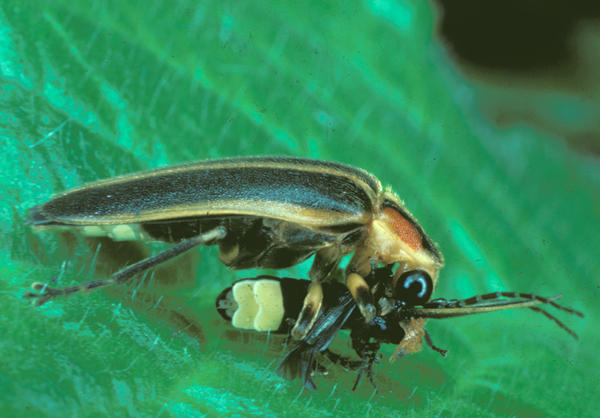
Preecha Jiabyu used to have time to take tourists on a boat along the banks of the Mae Klong River, glowing with thousands of fireflies.
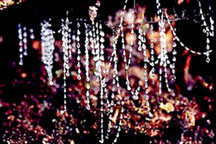
Dr. David Merritt of the University of Queensland (Australia) discovered daily biorhythms as a factor in the act of turning on and off 'lights' in glowing worms.

MIT biologists have developed a descriptive system that allows cells to undergo a certain mutation.
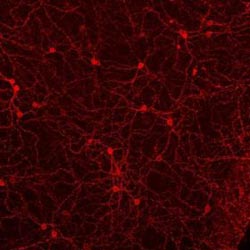
Mammals have two types of light-sensitive organs in the retina. They are cone and rod cells, all needed to receive the image of the surrounding environment. However, res…