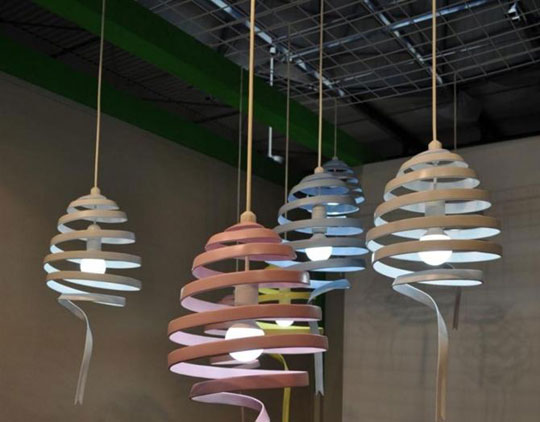
New technology
Lamps Internet data ceiling
Flickering ceilings are often annoying, but in downtown offices in St Cloud, Minnesota, they are actually an Internet connection.
Browse ScienceInfo articles and explainers related to Light.
3,286 published items.
Flickering ceilings are often annoying, but in downtown offices in St Cloud, Minnesota, they are actually an Internet connection.
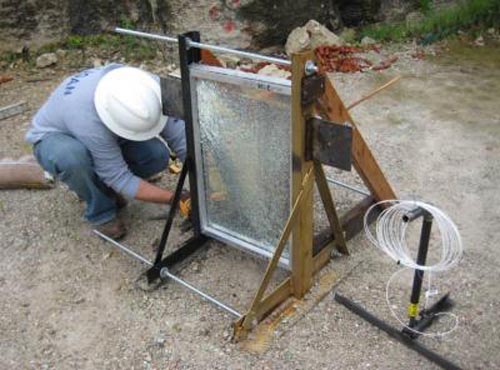
Scientists in the United States and Australia are developing a glass that is particularly light and thinner than traditional glass but very hard to not break into small…
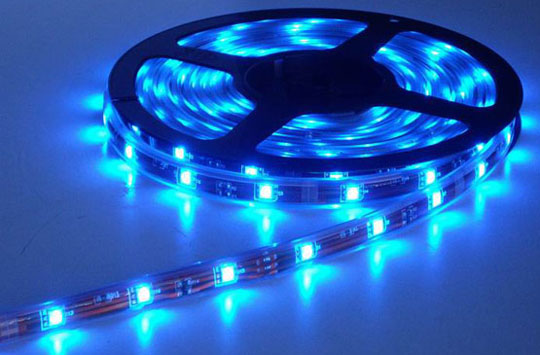
Electric equipment manufacturer General Electric is studying the use of cooling mechanisms used in jet engines for LEDs.

Physicists at the Massachussetts Institute have successfully researched wall-mounted cameras. The latest success of the upcoming US scientists will ...
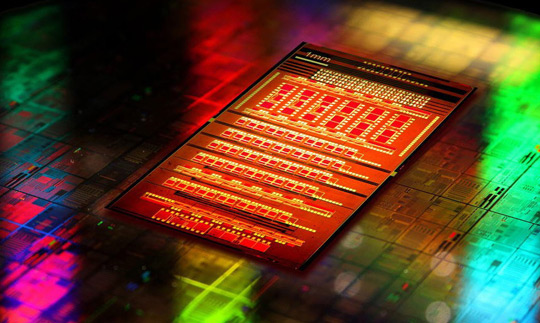
International team led by scientists from Bristol University, UK, has successfully researched faster particle accelerator chips, a larger amount of information storage t…

US company SunGlasix has successfully built a device that can extract hydrogen from water from any source, including urine.
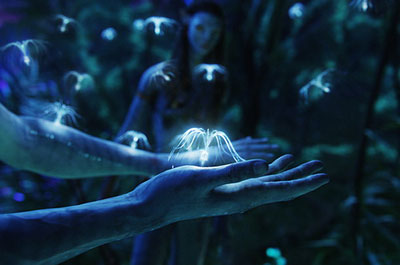
The appearance of cities will change spectacularly when the glowing trees replace the lampposts on the streets.
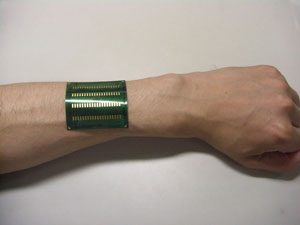
Fujitsu Labs today announced a prototype of a hybrid device that can generate electricity from both heat and light.
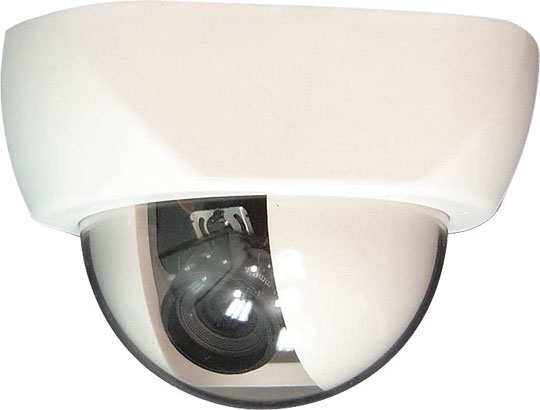
US scientists have developed a camera that can scan the scene of a crime to find bloodshed.
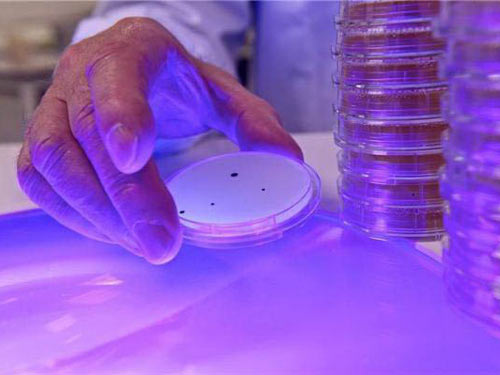
An advanced lighting system can be effectively disinfected in the medical environment as well as the multidisciplinary scientists of Strathclyde University.
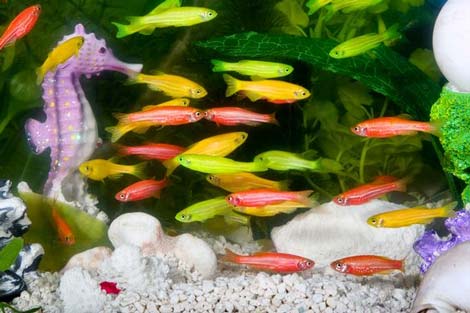
With elaborate research and advanced techniques, people today can virtually intervene and transform ...

The laser engraving technology on food tends to dominate shopping centers and supermarkets.
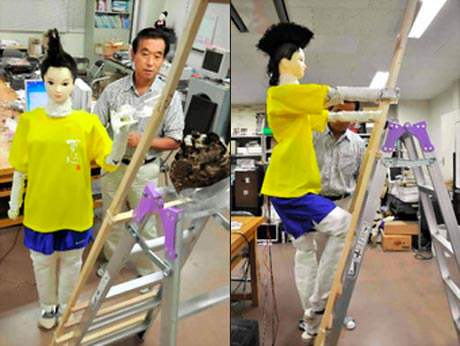
The humanoid robot, called the Mohican, is about 1.67 meters high, made from light metal and wood, and can escalate to pesticide spraying.
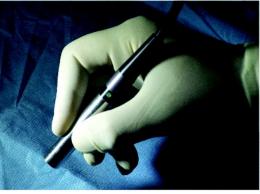
In tumor surgeries, the complete removal of tumors as well as the avoidance of the effects on healthy cells is critical, determining the survival of the patient.
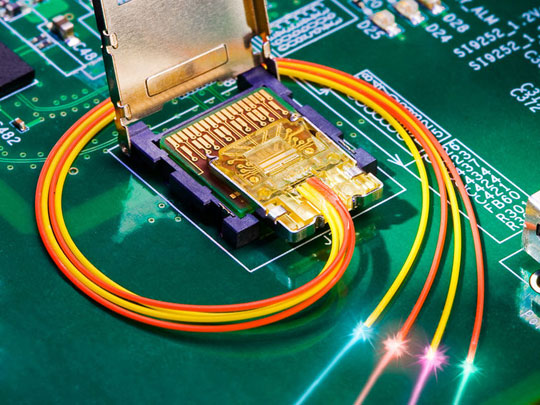
By using lasers to combine and decompose molecules, scientists have invented the 3D optical data storage technology.