Space science
The 10 strangest things of the universe
The black hole is about the same size as the atomic nucleus, the galaxy
Browse ScienceInfo articles and explainers related to Like.
5,993 published items.
The black hole is about the same size as the atomic nucleus, the galaxy
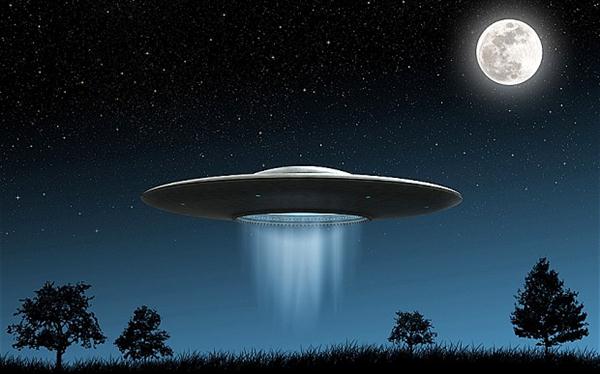
A science in the United States specializes in studying UFOs, mysterious flying objects that say aliens from head to toe are dressed neatly. Their outfits are not to prev…
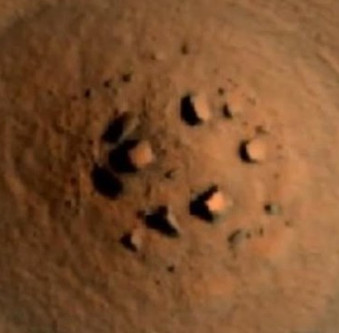
A UFO hunter on the video sharing site YouTube is named Mr. Enigma has confirmed that it has discovered a rock population on Mars that resembles an unusual monument of S…

Life outside the space gives astronauts the amazing things like watching the sun rise 16 times a day, faster and not snoring while sleeping ...
On a cold January night, sharp stars radiate a sparkling light in the sky, while dawn, another similar planet - the sun - is red like a round fireball. .

The US Aeronautics and Space Administration (NASA) has just announced a new space exploration robot model with a nickname
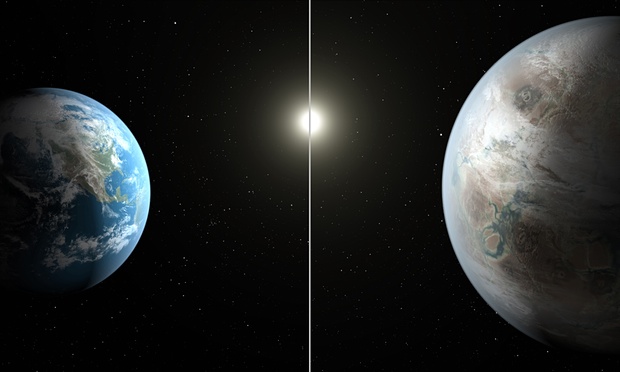
Kepler 452b is the most Earth-like planet ever found by humans (thanks to NASA's work). This planet is about 1400 light years away (that is, the image we saw now is 1400…
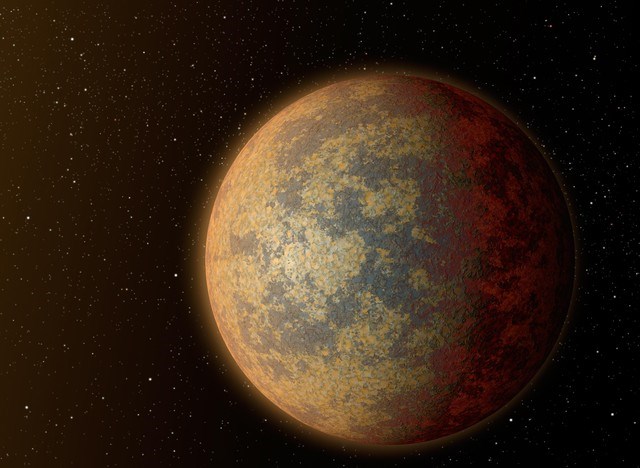
Although it is expected to be the most Earth-like planet with an extremely close distance, HD 219134b is still not possible
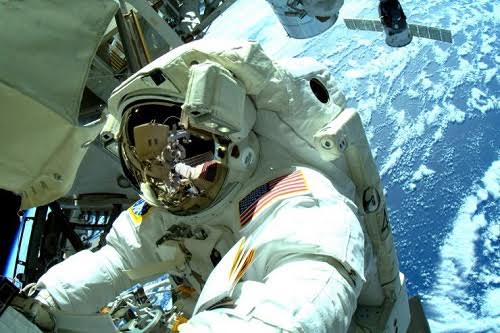
The European Nuclear Research Organization (CERN) came up with the idea of equipping spacecraft and astronauts with a superconducting magnetic shield to protect agains…
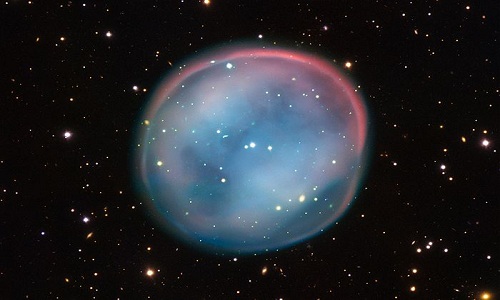
The dead star body glows like a giant bubble floating in the darkness of the universe.
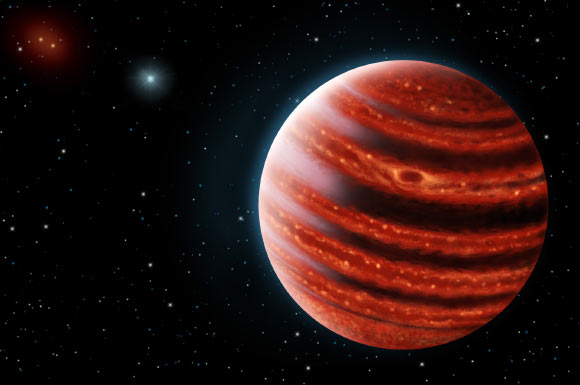
Using specialized devices, astronomers discovered a Jupiter-like young planet 97 light-years away from Earth and dating only 20 million years old.
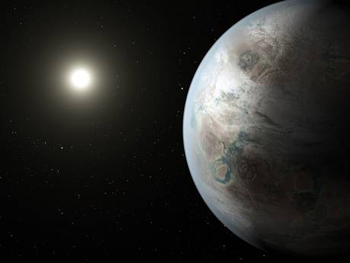
Kepler-452b, the most Earth-like planet discovered so far, may be warmer, wider, and have surface water.
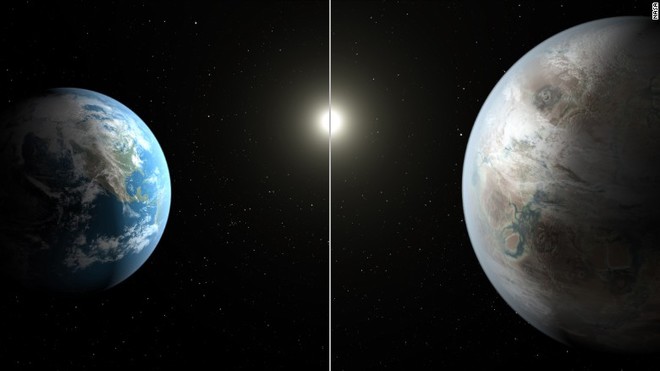
NASA's Kepler space probe ship detected 12 of the more than 1,000 planets in the Milky Way orbit around its star like Earth and could survive life.
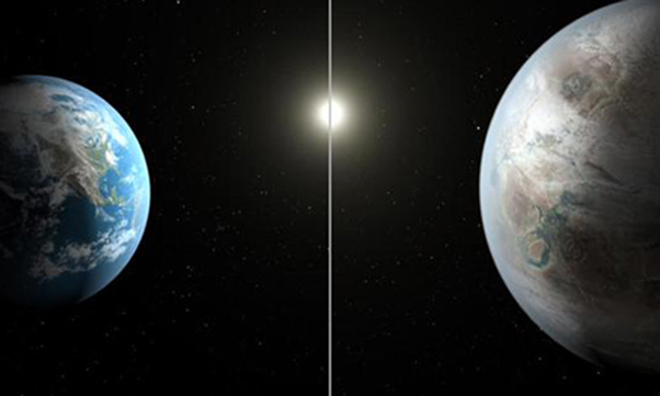
The $ 600 million Kepler spacecraft launched in space in March 2009, designed for the hunt for Earth-like planets outside the solar system.
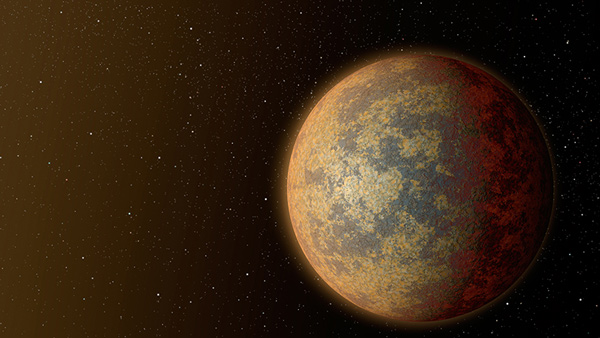
NASA's Spitzer Space Telescope has just discovered a planet made of rock like Earth and located only 21 light-years away, the closest of any known planetary planet. .