Discover science
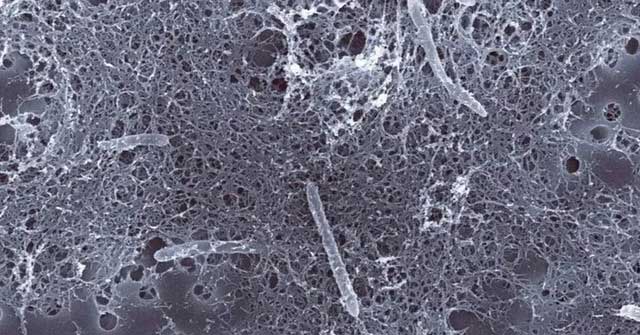
One of the loneliest species on Earth, living 2,800m underground and surviving on radioactive energy
The cold and dry polar regions, the hot and water-poor desert regions, are considered inhospitable to most life on Earth.
Browse ScienceInfo articles and explainers related to Living.
1,524 published items.
The cold and dry polar regions, the hot and water-poor desert regions, are considered inhospitable to most life on Earth.
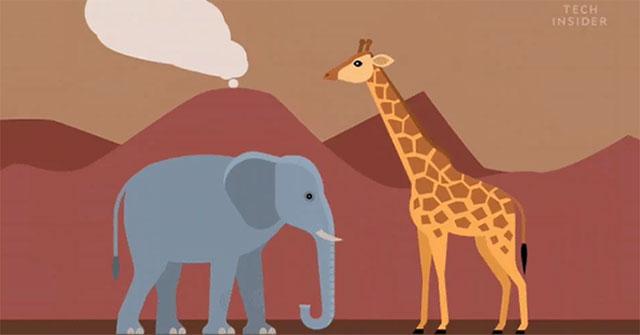
By conventional reckoning, the giraffe is the tallest animal still living on Earth.
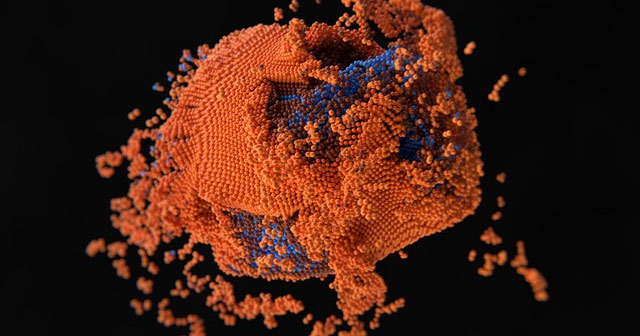
Researchers are redefining the criteria for determining whether a cell is alive or dead.
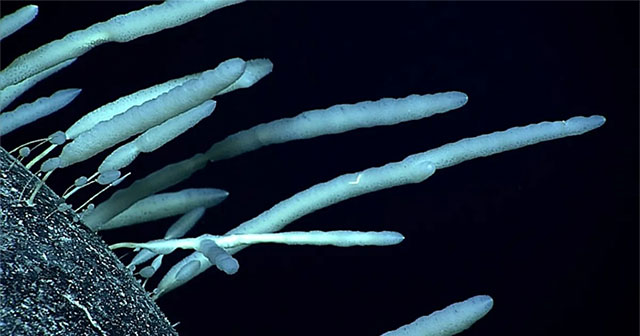
One of the most astonishing examples is the Antarctic sponge Monorhaphis chuni, with one specimen estimated to be over 11,000 years old.
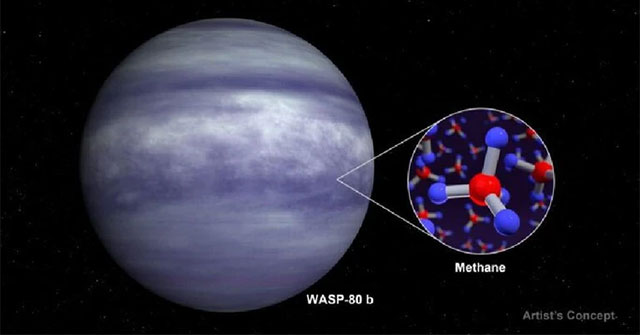
Something that on Earth is produced by living organisms, considered by astronomers to be one of the most valuable biosignatures, has just been revealed in the spectrum o…
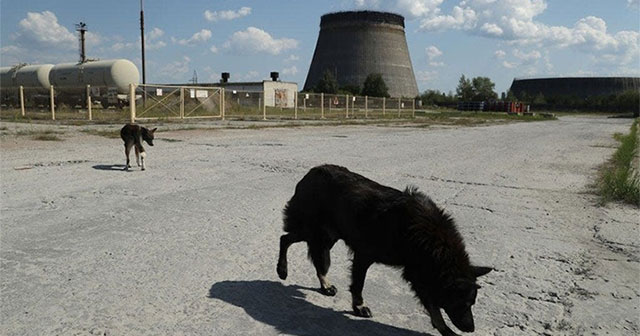
The 1986 Chernobyl nuclear disaster not only left serious consequences for the environment and human health but also became a
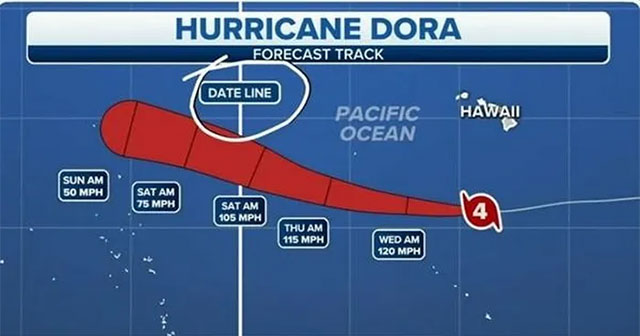
After causing strong winds that quickly spread wildfires in Hawaii (USA), Hurricane Dora has

A cracked terracotta warrior in Shaanxi has revealed the truth.

The capybara (Hydrochoerus hydrochaeris) is a rodent of unusual size.
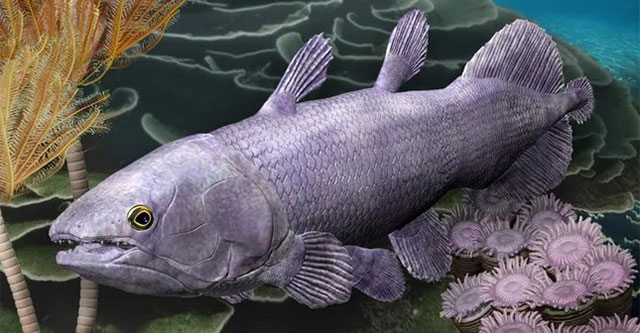
For the past 85 years, the coelacanth has been known as the
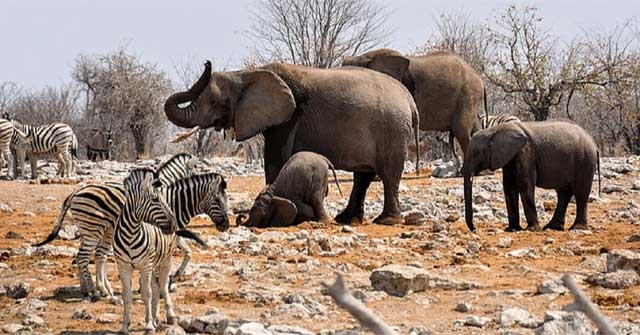
In the vast African savannah, the presence of abundant wildlife is a prominent feature.
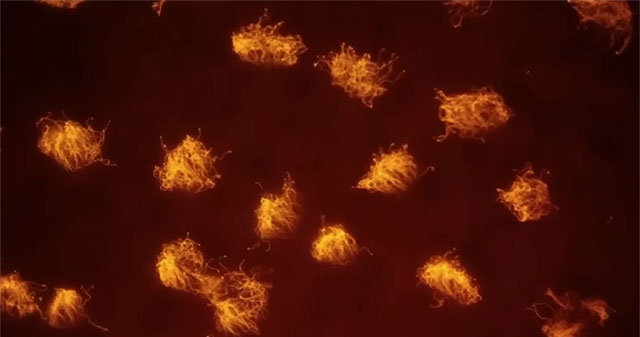
Research uncovering a third state of living things, beyond life and death, is challenging scientists' fundamental understanding of cell behavior.
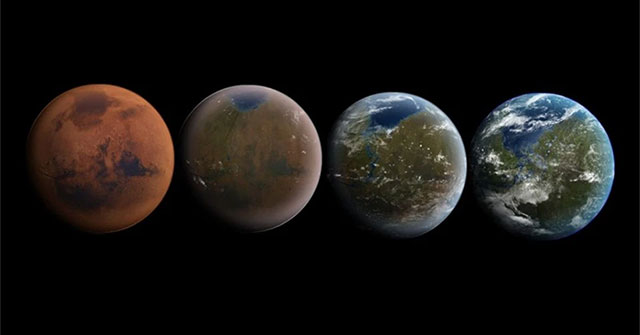
Scientists have determined the conditions needed to warm Mars enough for plants to grow.
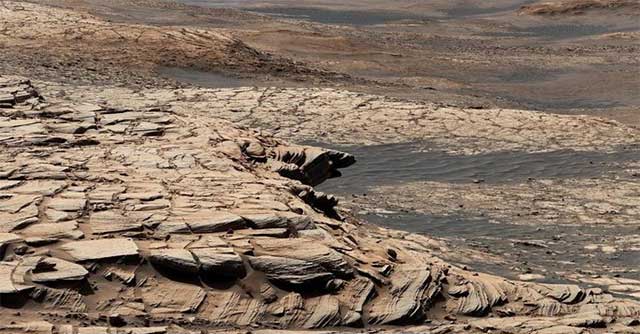
An ancient ocean as vast and life-friendly as Earth's once existed elsewhere in the solar system.
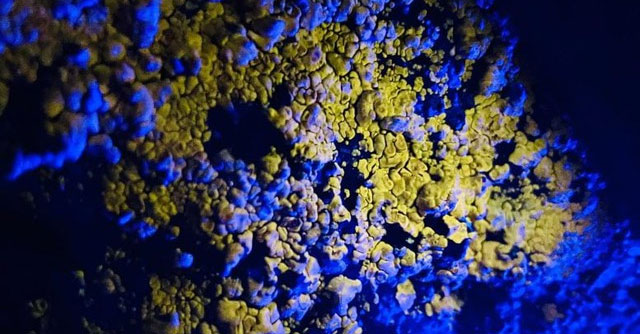
Lichens, incredibly resilient organisms, can survive on a wide variety of surfaces, from rocks and trees to bare soil and buildings.