Archeology
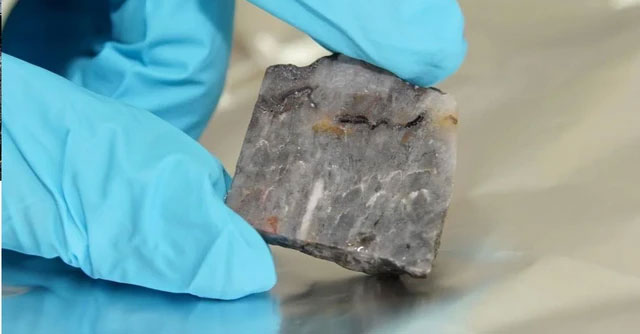
Discovering the shocking remains of a 3.5 billion-year-old creature
The mysterious world 3.5 billion years ago with the most primitive living creatures on the planet on a lost supercontinent has just been discovered.
Browse ScienceInfo articles and explainers related to Lost.
521 published items.
The mysterious world 3.5 billion years ago with the most primitive living creatures on the planet on a lost supercontinent has just been discovered.

One day, all the heat on the planet will be lost due to a mineral called Bridgmanite.

Australia is a country with countless beautiful places and always contains many of the strangest things in the world.

Japan has made the decision to chip in pets to do

Recently, an indigenous magnolia flower that has been missing for 97 years in Haiti was suddenly found in a forest in the country's longest Massif du Nord mountain range…

Intrigued by these lost artifacts, the Beijing Institute of Geology analyzed the Baigong pipes using a technique called thermoluminescence.

Among the lost cities, Thonis-Heracleion is known as a bustling city of Egyptian civilization.

A copy of the work of the French Renaissance physician, astrologer and psychic, Michel de Nostredame (Nostradamus), was found and returned to the library, where it had b…
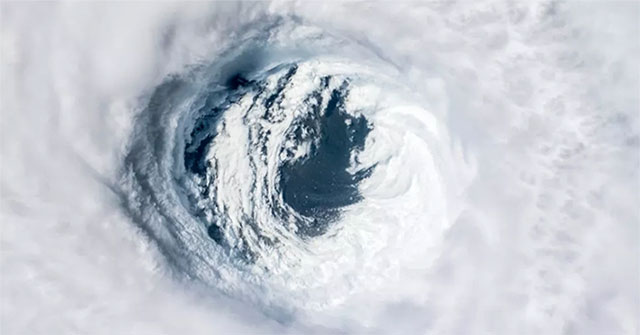
Physicists predict that Earth will become a chaotic planet, with catastrophic and irreversible consequences.
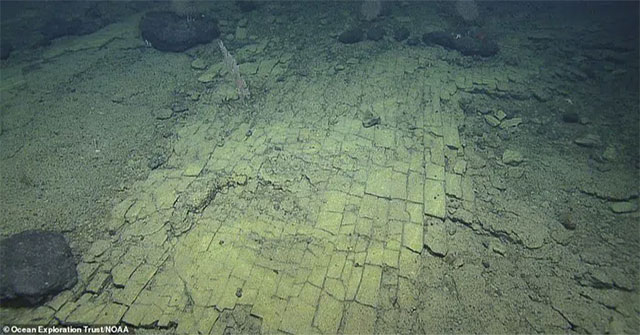
Scientists find a strange yellow brick road on the bottom of the Pacific Ocean that could lead to the lost city.

Throughout history, wonderful treasures from different cultures have been mysteriously stolen or lost.

A humped pig was taking a mud bath when a lioness stalked and approached. Despite having the advantage, lions cannot catch fast prey.
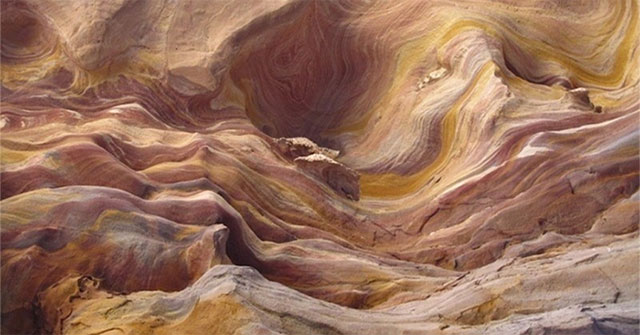
Rainbow Canyon is a narrow ravine located near the town of Nuweiba, on the Sinai Peninsula, Egypt.
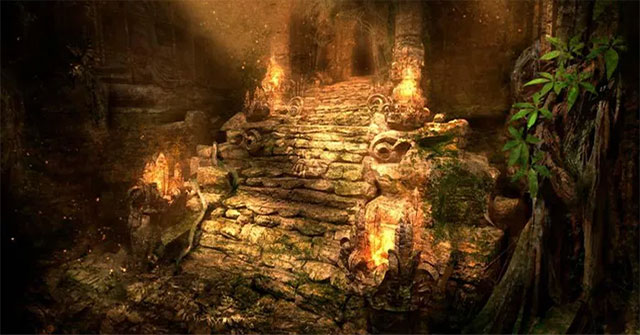
The Legend of the Lost City of Caesars, The Unseen Land of Patagonia
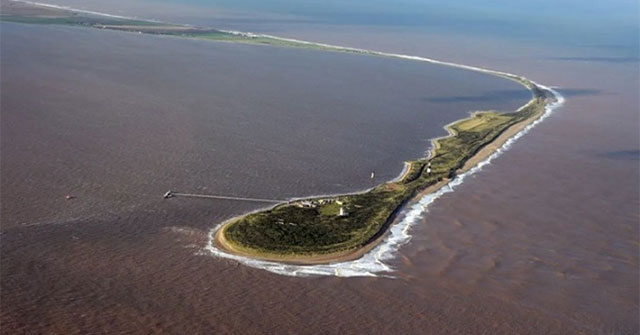
The researchers hope the high-resolution sonar system can help locate the medieval town of Ravenser Odd, which sank under the North Sea in the mid-14th century.