Animal world
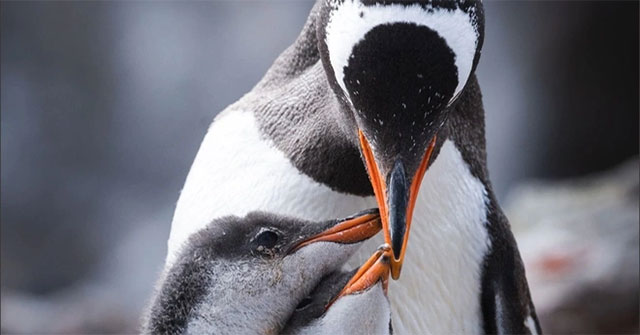
Male penguins fast for 65 days standing still and incubating eggs
From the beginning of the mating season, the male will usually go without food for 120 days. After the eggs hatch, it spends another 10 days looking after the young.
Browse ScienceInfo articles and explainers related to Male.
1,222 published items.
From the beginning of the mating season, the male will usually go without food for 120 days. After the eggs hatch, it spends another 10 days looking after the young.
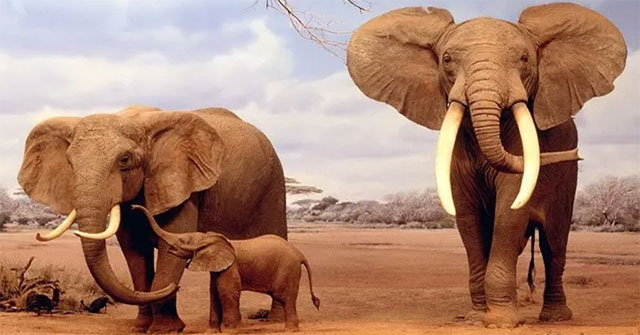
Here are some mating habits of penguins, sea otters, elephants, bees...
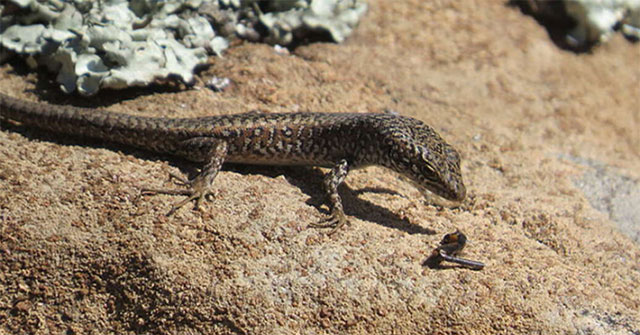
When in the womb, the female spotted ball lizard has the ability to change sex and be born with the male body due to heat.
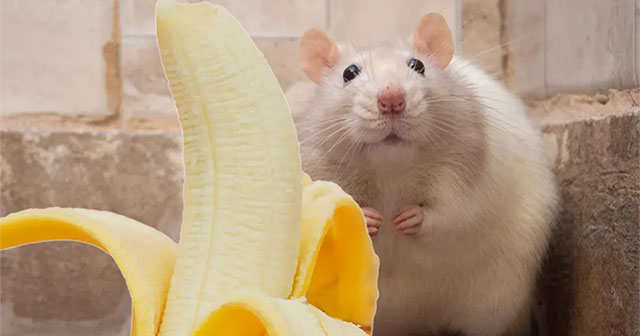
Scientists recently discovered that the particular scent of bananas causes male rats to become stressed.

Researchers at Georgia State University, USA are shocked after gene editing experiments make hamsters more aggressive
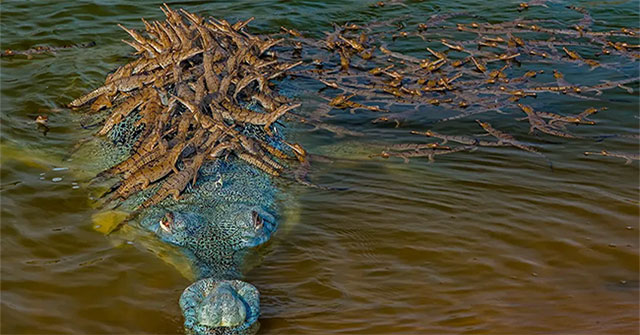
A wildlife photographer recently accidentally captured very unique photos of a crocodile father carrying more than 100 baby crocodiles on his back to cross the river.

NASA has an unwritten rule that husbands and wives cannot be astronauts at the same time, this is to avoid astronauts being emotional during the mission, affecting space…
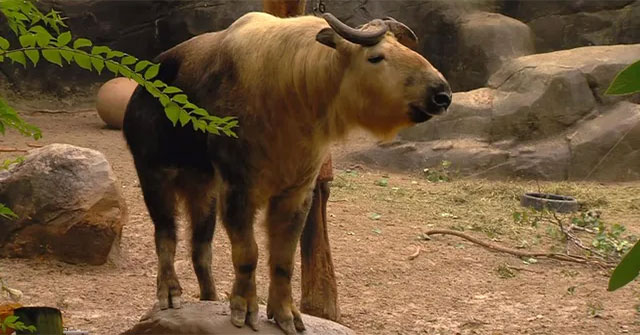
The takin, also known as the Tibetan buffalo, is a half-sheep, half-buffalo animal found in the eastern Himalayas.
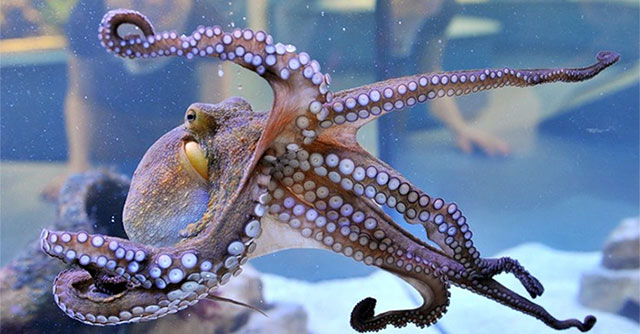
Both male and female octopus go through a process

Nestled among the moss in Australia's ponds and streams is the 'Mouth almighty' - a special fish with large and powerful jaws that can catch passing prey.
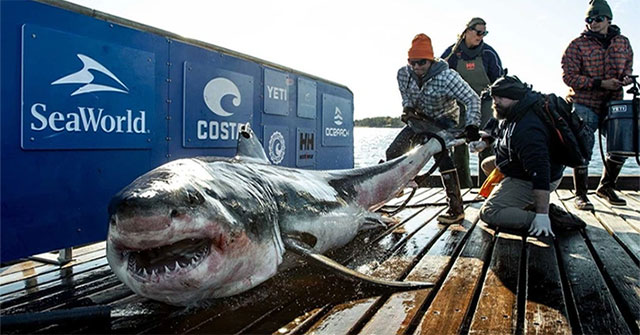
The predatory fish, nicknamed 'Ironbound', is migrating to northern Canada in search of food and shelter.
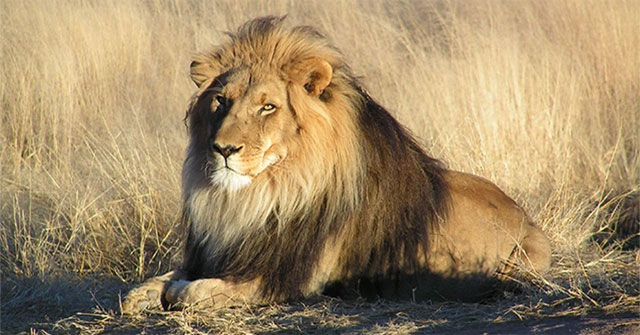
As the most widely recognized animal symbol in human culture, the lion represents strength, beauty, and a herd lifestyle.

Under limits set by NASA in 1989, the limit for an astronaut's career is based on the risk of dying from cancer in excess of a maximum of 3% over a lifetime.
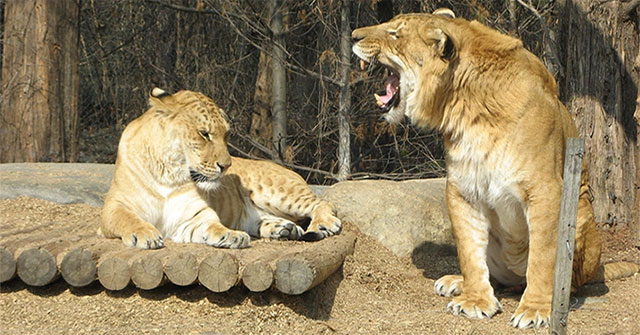
In the wild, in zoos or sanctuaries, lions and tigers sometimes mate, creating
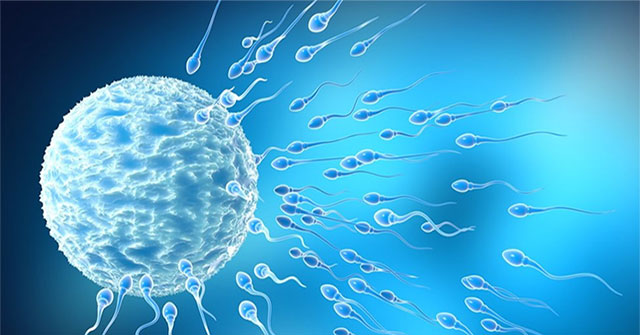
University of British Columbia (UBC) scientists have 3D printed human testicular cells and identified promising early signs of sperm production.