
Archeology
12,000 years ago, humans 'changed shape' twice?
Two new studies show that the impact of social development can cause people to radically change from external appearance to internal functions of the body.
Browse ScienceInfo articles and explainers related to Mankind.
167 published items.
Two new studies show that the impact of social development can cause people to radically change from external appearance to internal functions of the body.
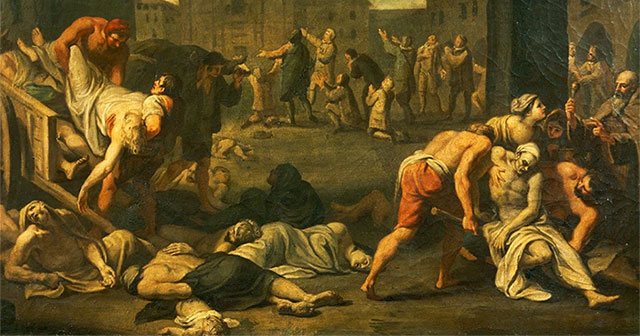
One comet appeared in late 1664 and one in early 1665. At that time, astrologers thought it was a sign of evil coming to England. However, few people understand that it…

'Entertainment to death' is a prophetic look at what will happen when everything becomes an object of entertainment and social networks become a force that can manipulat…

The wheel industry has undergone a long development process and is closely associated with human civilization.
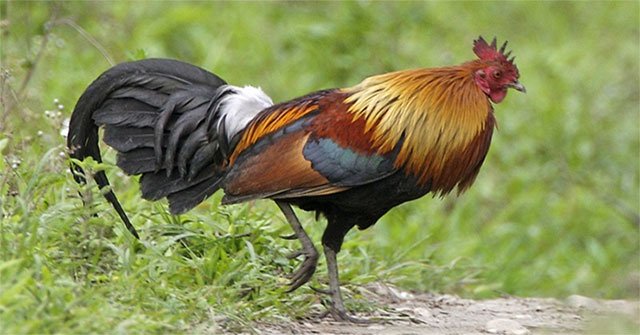
Chicken is the world's most popular animal, the largest source of animal protein for mankind.
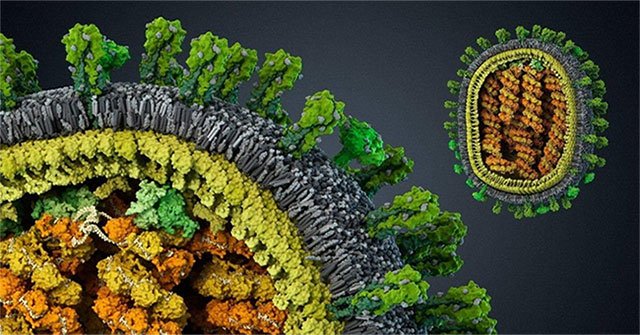
The history of mankind is the history of the battle against viruses, an arms race of evolution in which there is no room for peaceful compromise.
When you are planning a journey, make sure you know how long the trip will take. And if mankind wants to travel interstellar, then this will be the time needed to reach…

Fire is the most important invention in history, helping mankind escape from the dark period, like our 2nd sun.
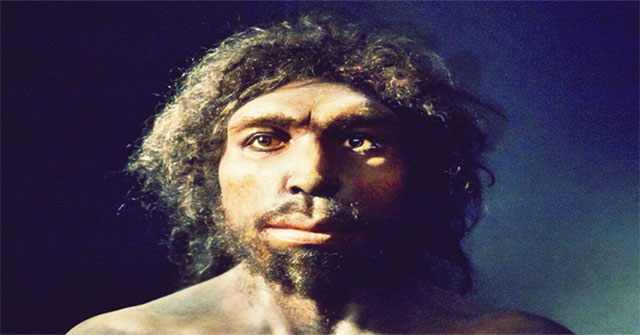
In prehistoric times, there were many different species, but eventually they were doomed to extinction so that our ancestors were the only species to evolve into modern…
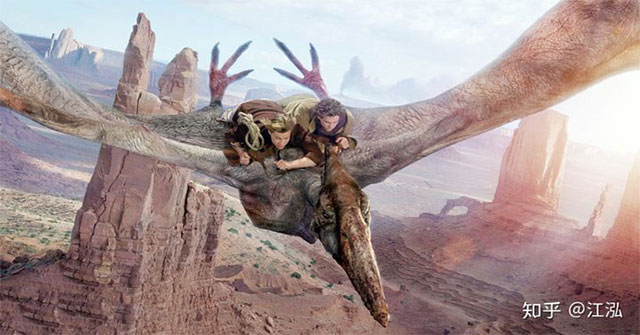
Mankind has the ambition to conquer and domesticate wild animals, but if flying dinosaurs aren't extinct, can humans tame them into mounts?
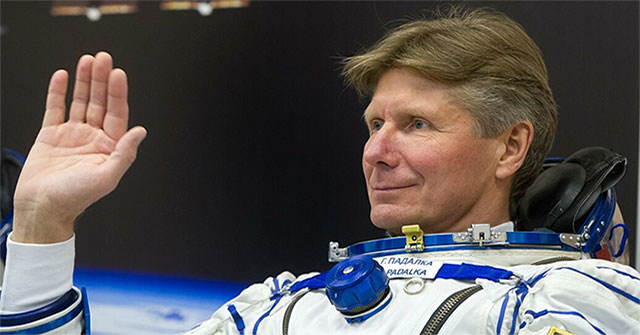
Russian astronaut said that conflict between nations and nations in the world is the main threat to humanity.

If all the animals in the world unite and fight against humanity, how long can mankind maintain?
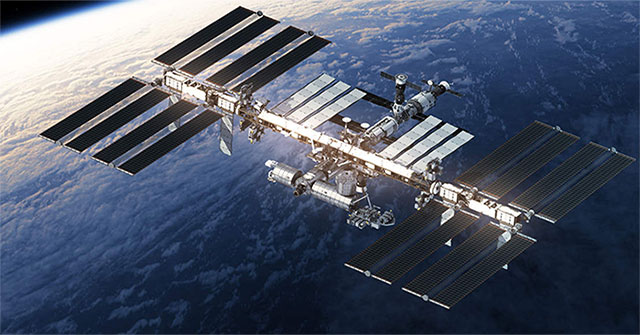
Almost the size of a house with 6 bedrooms and weighing more than 320 cars, the International Space Station is so large that no rocket can put it into orbit.
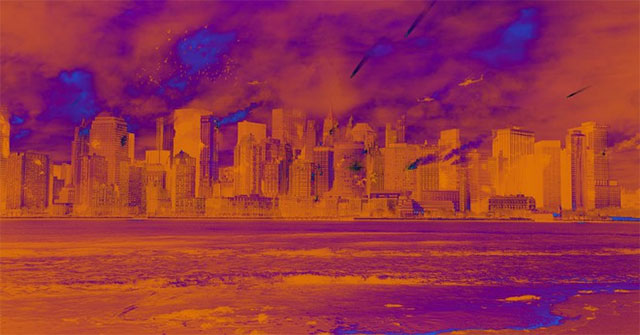
According to Oxford University scientists, the highest probability that 100% of Earth's population will perish is 1 in 14,000.

Up to now, mankind has achieved many great scientific achievements. From the time of hunting, gathering until the first steps on the Moon