Oceanography
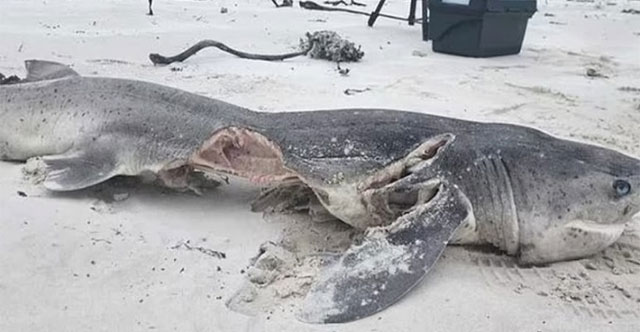
Killer whale pair kills 17 sharks a day
A pair of killer whales off the coast of South Africa kill sharks to remove their livers while leaving the other parts intact.
Browse ScienceInfo articles and explainers related to Marine.
985 published items.
A pair of killer whales off the coast of South Africa kill sharks to remove their livers while leaving the other parts intact.
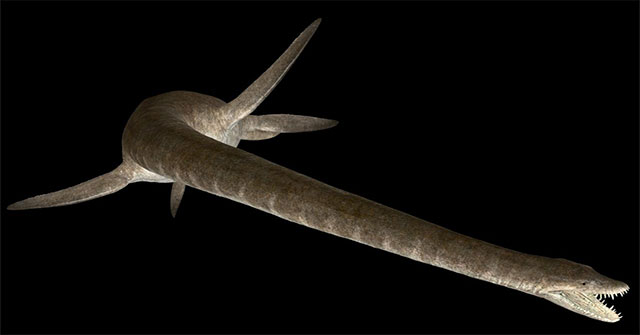
One of the most terrifying monsters of the dinosaur era has emerged almost completely, with its head and body preserved in ancient rock in western Queensland, Australia.
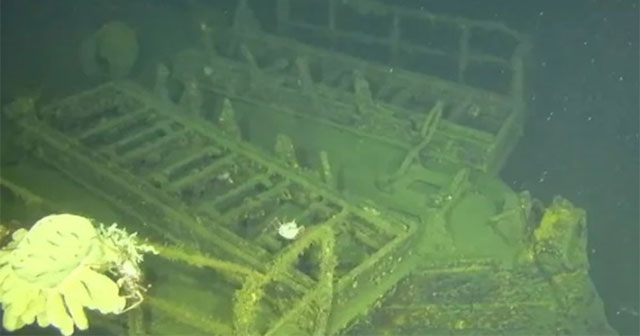
The wreck of the destroyer USS Stewart was recently found at a depth of about 1,065 m at the Cordell Bank National Marine Sanctuary, about 80 km northwest of San Francis…
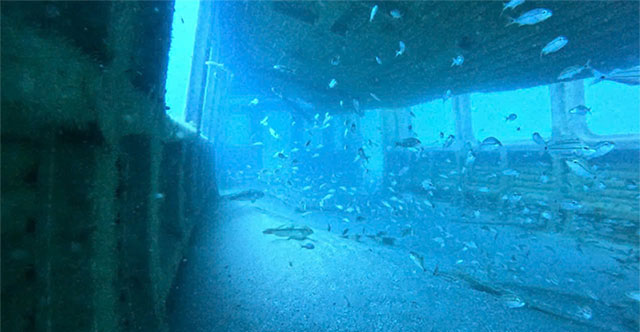
Train cars that were once packed with people in Atlanta, USA, are now lying nearly 20 meters deep in the Atlantic Ocean with fish, sea turtles and coral.
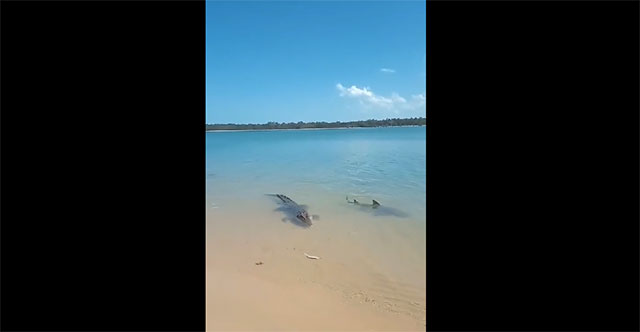
Sharks and crocodiles share common habitats and prey, so they can interact when foraging.
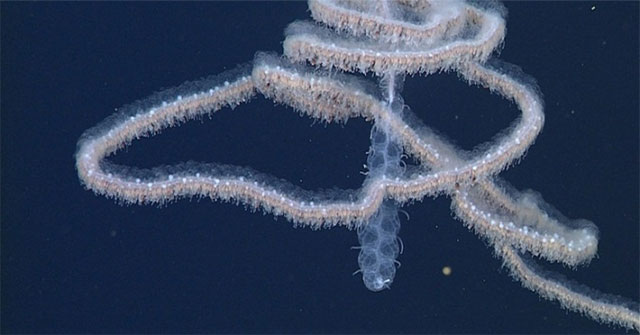
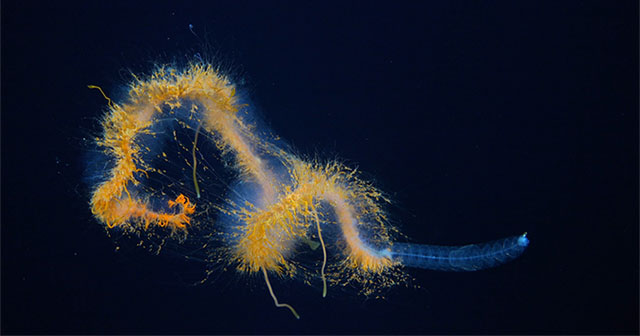
Siphonophores are unusual animals consisting of many individual organs called zooids, each zooid having a distinct function despite being genetically identical.
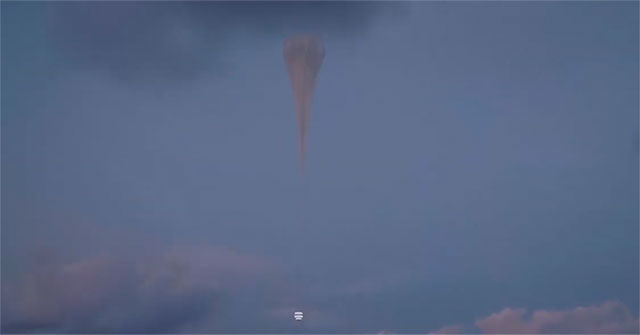
Space Perspective's Neptune Excelsior spacecraft prototype is lifted above 99% of Earth's atmosphere during testing off the coast of Florida.

The tragedy of this dolphin species - like many others - comes from humans.

Scientists recorded an ultra-black anglerfish with the ability to absorb at least 99.5% of light in the deep sea off the coast of California.
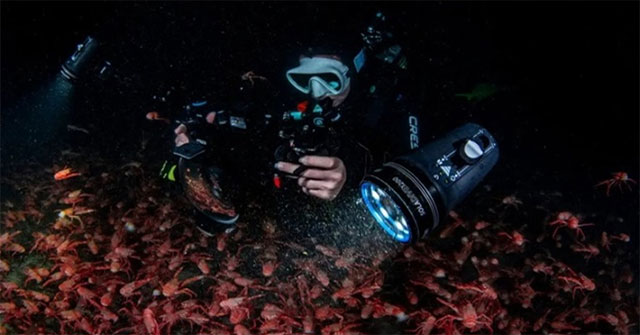
Divers and marine biologists encountered tuna crabs piling up on the seabed near San Diego due to being swept close to shore by ocean currents.
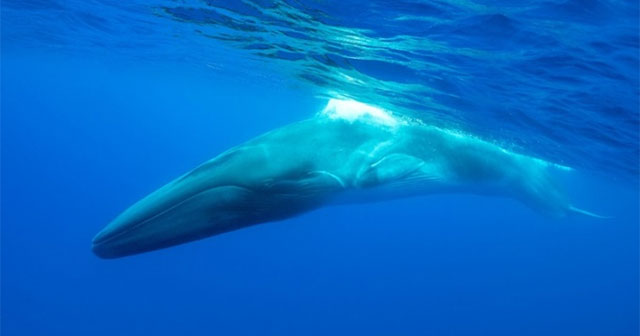
Japan added fin whales, a once endangered marine mammal, to its commercial fishing list, causing concern among conservationists.
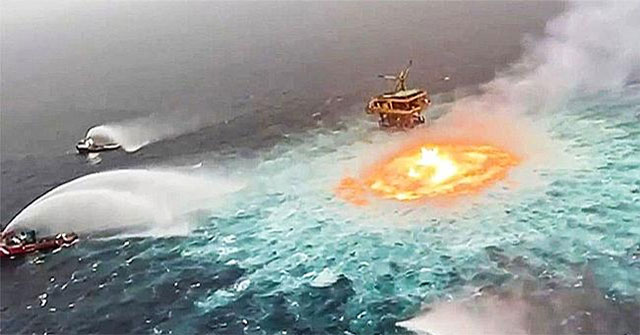
Known since 2010, giant blobs in the Pacific Ocean have become a mystery to those who witness them.
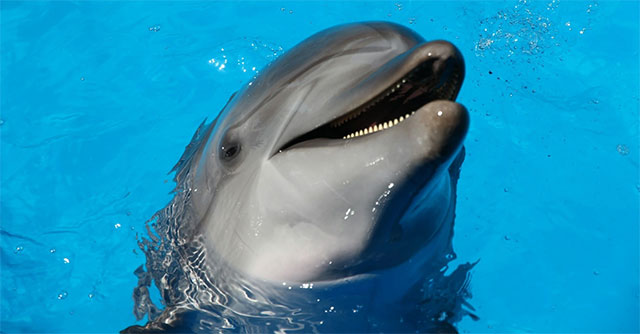
Researchers from the University of Florida, USA said that the autopsy discovered a dolphin infected with a highly virulent bird flu virus.
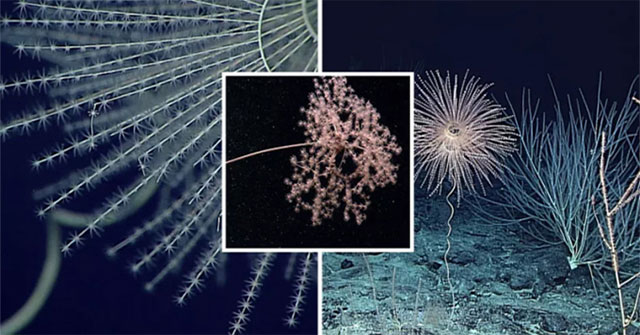
Bioluminescence, the ability of organisms to produce light through chemical reactions, may have appeared 540 million years ago in deep-sea corals.
An international research team has discovered more than 50 new species during a deep-sea expedition off the coast of Chile, including