
Archeology
Bacteria and salt lake help dinosaurs hegemony
A bacterium in salty lakes in ancient times caused a mass extinction of many species on the earth, paving the way for the dominance of dinosaurs.
Browse ScienceInfo articles and explainers related to Mass.
714 published items.
A bacterium in salty lakes in ancient times caused a mass extinction of many species on the earth, paving the way for the dominance of dinosaurs.

The traces left in a mass grave of Roman soldiers in 200 AD showed that Persians used chemical weapons very early.
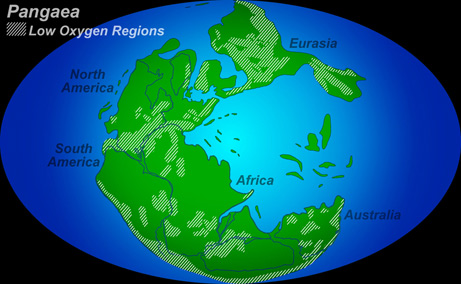
A new study suggests that toxic gases that destroy the ozone layer escaping from oceans may not be the cause of the world's largest mass extinction so far.
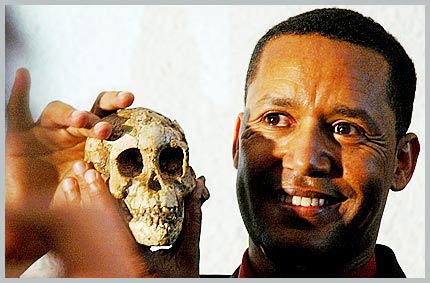
Because of Selam's skull, the gradual growth means that the brain's mass will be large. That's what monkeys can't get. Two thigh bones show Selam has stood up and walked…
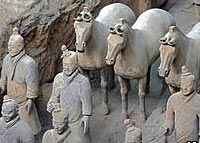
Archaeologists study the tomb of the first Chinese emperor said Qin Shihuang may have been buried with the national treasure. The area scanning technique revealed a larg…
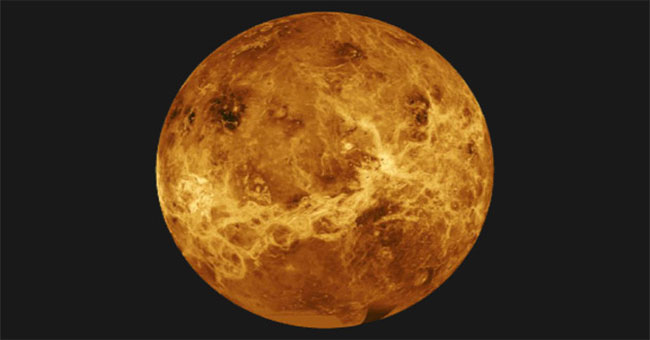
Venus is the brightest planet in the Solar System after the Moon and Sun. Compared to Earth, it is the first star to appear at night and disappear at dawn at last.

The simulation provides the most authentic view ever of the supermassive black hole in the center of the Milky Way galaxy.

Neptune is the eighth and most distant planet from the Sun in the Solar System. It is the fourth largest planet in diameter and the third largest in volume.
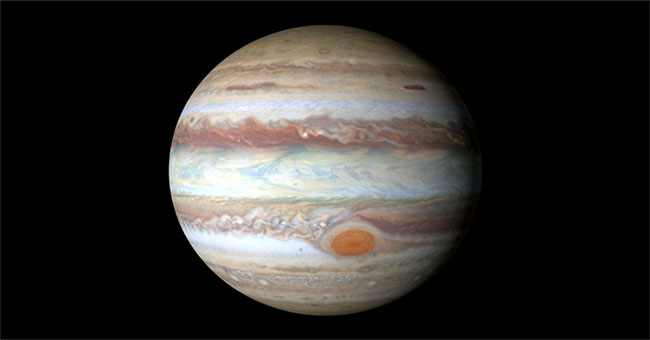
Jupiter or Jupiter is the fifth planet from the Sun and is the largest planet in the Solar System.
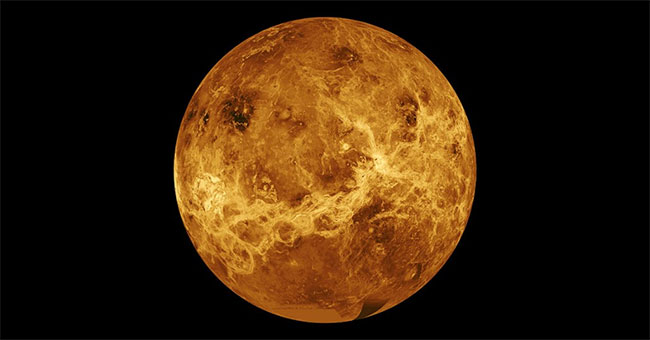
Venus or Venus is the second planet in the Solar System, revolving around it with a cycle of 224.7 Earth days.
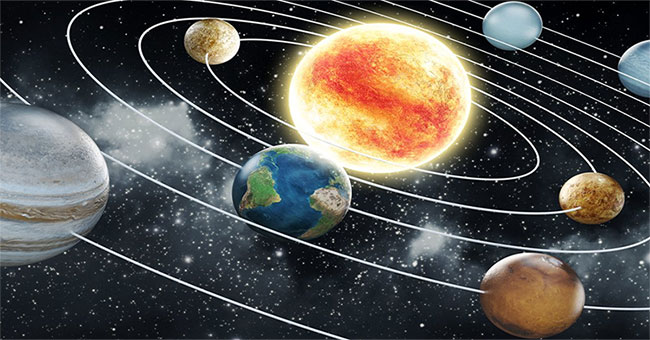
If it is smaller than the Left, the Sun will burn, Earth and planets in the system will float, dragging away the life.
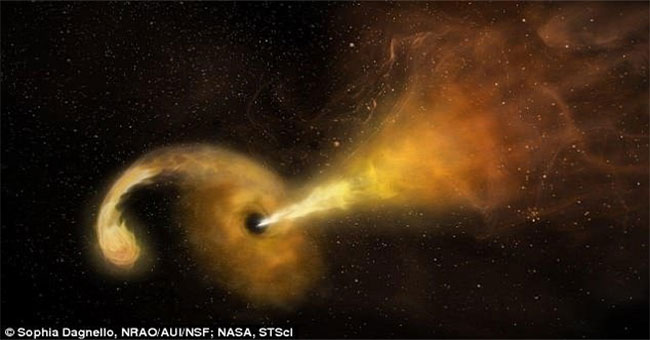
The cosmic black hole - for those who don't know - is a spaceless space with enormous mass, but compressed into a very narrow space.

Scientists say that the Earth is experiencing the sixth mass extinction event due to human activity.

In 1798, physicist Henry Cavendish (United Kingdom) became the first person in the world to calculate the exact mass of Earth.
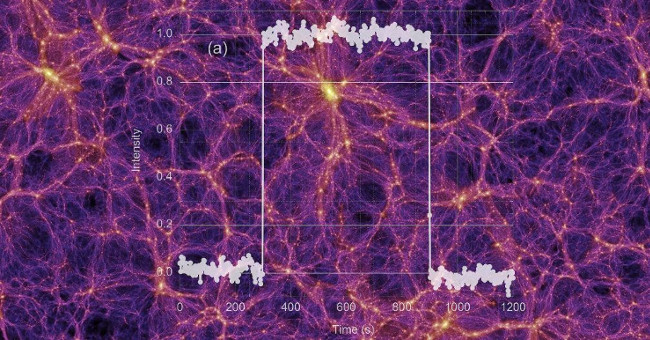
The new discovery is expected to be able to detect dark matter smaller than any previously discovered particle.