
History
March 12: The first Coca-Cola bottle was produced and sold in the US
Initially Coca-Cola was invented by Pemberton with the aim of finding a popular medicine to help prevent headaches and fatigue.
Browse ScienceInfo articles and explainers related to Medicine.
2,104 published items.
Initially Coca-Cola was invented by Pemberton with the aim of finding a popular medicine to help prevent headaches and fatigue.

In Asian countries, cordyceps is considered a panacea. Although Western science has not yet proven, people still believe in this kind

According to the Vietnam Institute of Applied Medicine, staphylococcus (Staphylococcus) is a strain of bacteria present in many places in the natural environment, the mo…

According to the Chinese government, this is part of the production process

Kumquat is a popular ornamental tree during Tet. In the South, kumquat trees are also known as switches, and in the Southwest are called almonds.
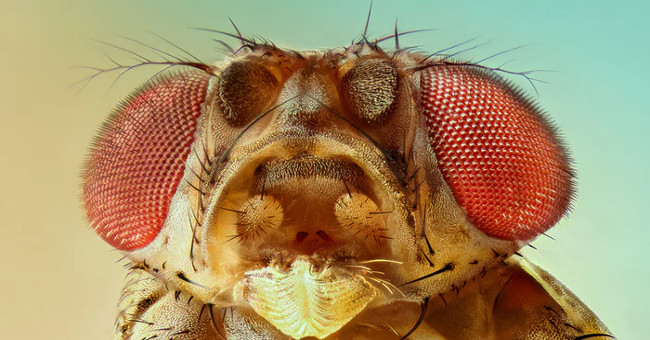
Owning DNA similar to humans, fruit flies were selected as experimental subjects in many Nobel-winning scientific studies.

Finding Ngoc Linh Ginseng can be said to be one of the most important discoveries in the field of medicine and pharmacy not only in Vietnam.

The 1,400-year-old fanless tree at the top of Chung Nam Mountain, Shaanxi, China creates a sea of yellow leaves that surround the tree at the end of each fall.

Mistakes are parasitic plants on different host plants and have long been used to treat many diseases in Oriental medicine.
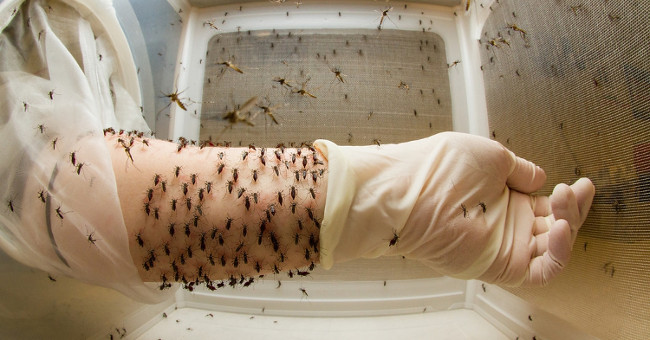
It is no exaggeration to say that mosquitoes are one of the deadliest creatures on our planet.
Scientists at the Johns Hopkins University of Medicine and University of Nebraska have discovered an algae virus that could affect the brain and make us stupid.
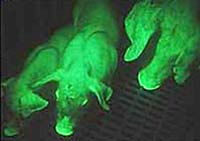
The pig is a familiar animal for everyone. Pork is a popular food in daily meals, especially on the occasion of Tet holiday. In the field of bio-medicine, pigs also have…
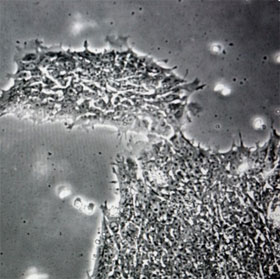
American scientists at the John Hopkins and Nebraska University School of Medicine accidentally discovered a virus in algae that could infect the human brain.
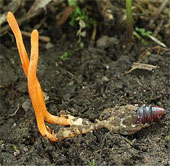
Cordyceps was first discovered and described by a scientist in 1843.

During the past 2,000 years, Chinese oriental medicine specialists have been treating malaria with root extract from a kind of hydrangea flower growing in Tibet and Nepa…