Environment
Smith Glacier Glacier melted much faster than expected
Smith Glacier - a large glacier located in the West South Pole, has been thinning 0.5 km of thickness in the past seven years, much faster than scientists have forecast.
Browse ScienceInfo articles and explainers related to Melt Ice.
119 published items.
Smith Glacier - a large glacier located in the West South Pole, has been thinning 0.5 km of thickness in the past seven years, much faster than scientists have forecast.
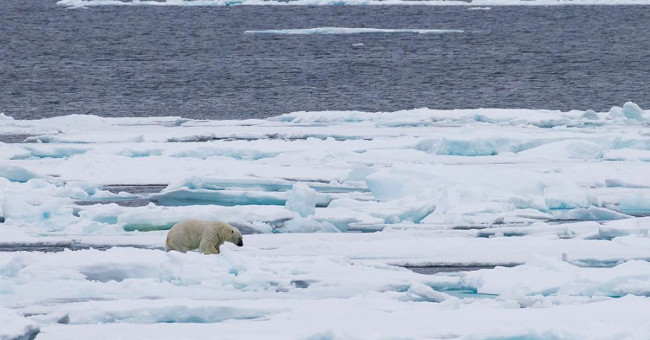
The icy seas of the Arctic are slowly turning into a normal ocean when the ice is melting.
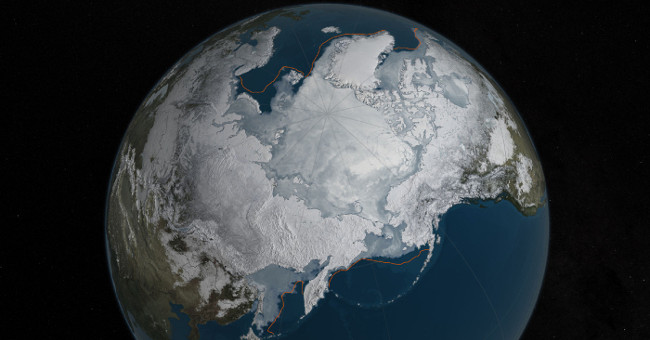
According to data recently released by scientists at the US National Snow and Ice Data Center (NSIDC) and NASA, the Arctic ice has reached a record low this winter.
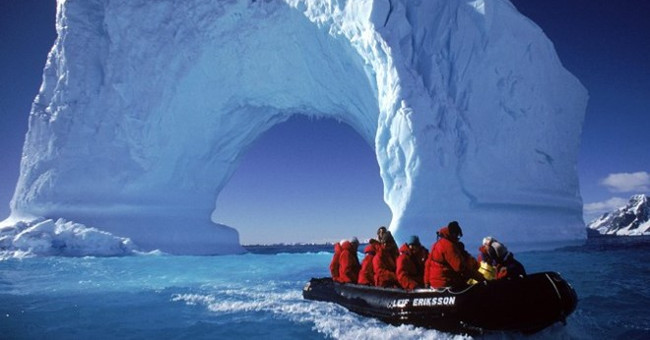
Reporters in Prague led a statement by Czech scientists saying they measured a record high temperature in Antarctica on March 23, 2015.
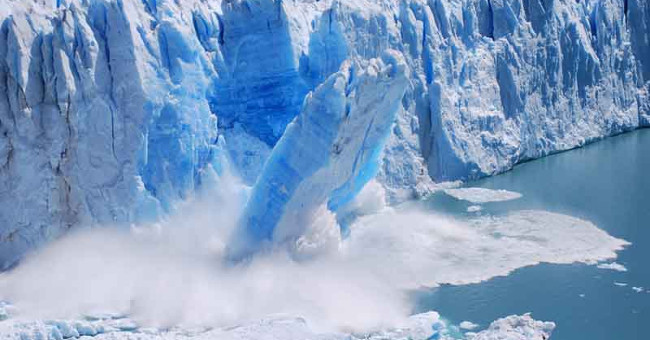
The ice melts due to global warming causing the Earth to rotate more slowly and become longer.
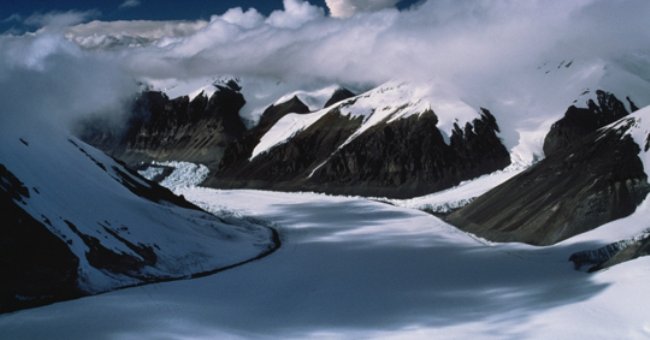
A series of glaciers on the Tibetan Plateau are melting and that situation could have a negative impact on Vietnam and many other Asian countries.
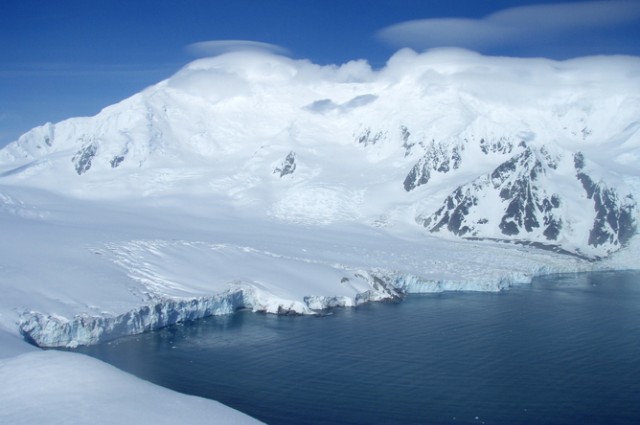
Using data from satellites including the European Space Agency's (ESA) CryoSat-2 satellite, researchers at the University of Bristol have found ice melting in the southe…
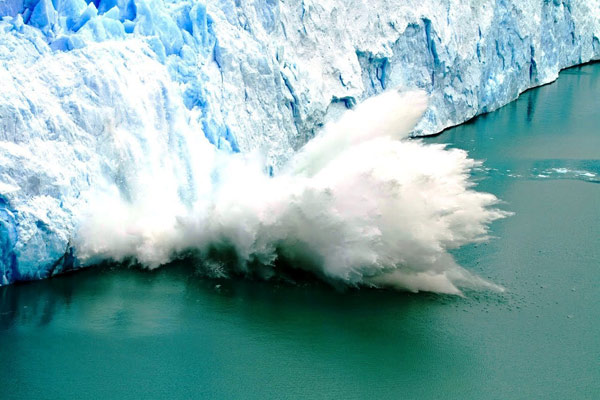
Global warming that most of the impact from humans is causing the ice at the two poles to melt faster than ever. The ice melts so quickly that sea level rises and many c…
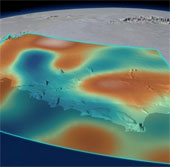
The large loss of ice in the West of Antarctica shows signs of weakening the gravity of the earth in this area.

Seawater is affected by rising climate change as previously predicted, about 2.6% of the global population (177 million people) are living in areas with frequent flood r…
According to the first scientific study of the specific human impact on melting in glaciers, scientists found that humans are the main cause of this phenomenon.
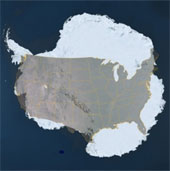
According to a recent NASA climate study, West Antarctic ice sheets are melting uncontrollably, glaciers are melting and flowing into the sea.
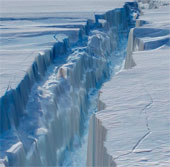
According to the report, the six giant glaciers of Antarctica are melting at a rapid rate with the amount of melting ice increasing by 77% between 1973 and now.
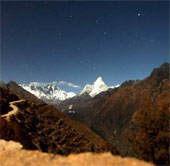
The intergovernmental committee on combating climate change (IPCC), has released a more cautious new forecast regarding the possibility of melting ice in the Himalayas.