Environment
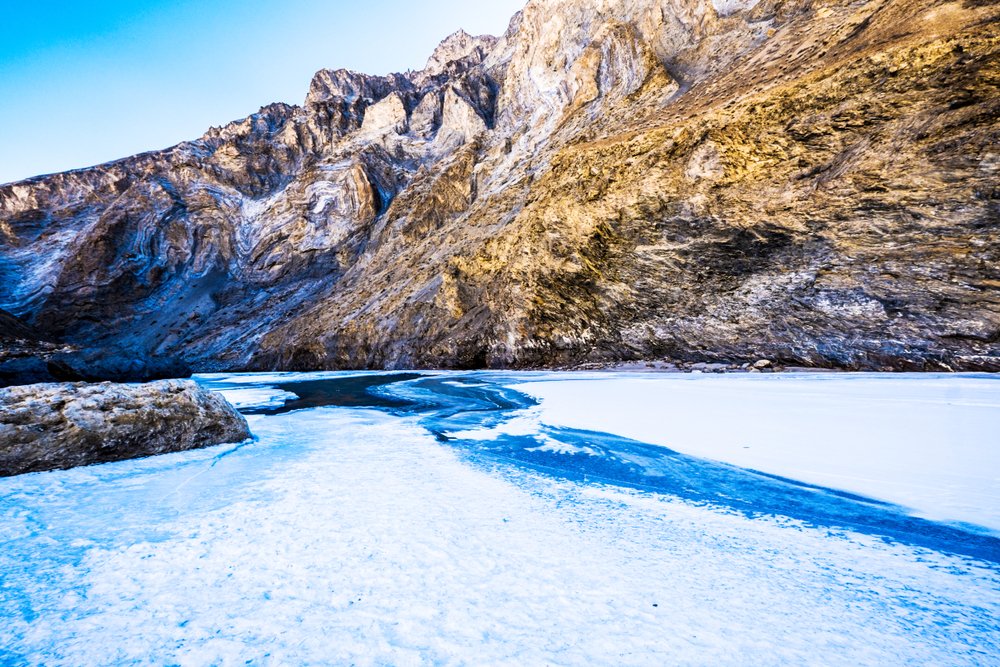
Study: Himalayan glaciers are melting at an 'unusual' rate
Himalayan glaciers are melting at an alarming rate. A new study has shown that over the past 40 years, the ice
Browse ScienceInfo articles and explainers related to Melt.
500 published items.
Himalayan glaciers are melting at an alarming rate. A new study has shown that over the past 40 years, the ice
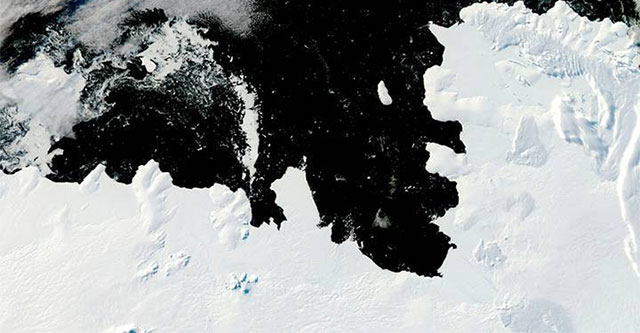
Scientists fear the Thwaites Glacier in Antarctica is fracturing and could shatter as easily as a car window.

Scientists have discovered a huge and terrifying source of laughing gas called Yedoma, a type of permafrost, that affects the warming of our planet.
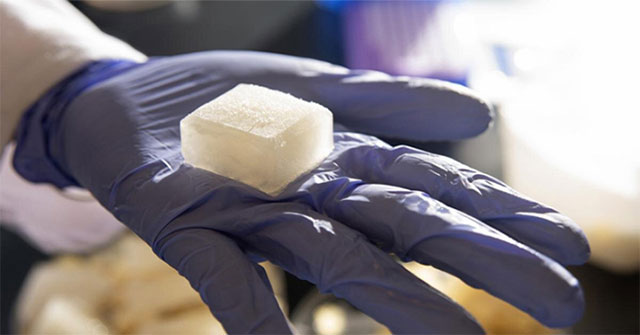
Scientists have created a new type of ice with a composition of more than 90% water, which is antibacterial and reusable many times.
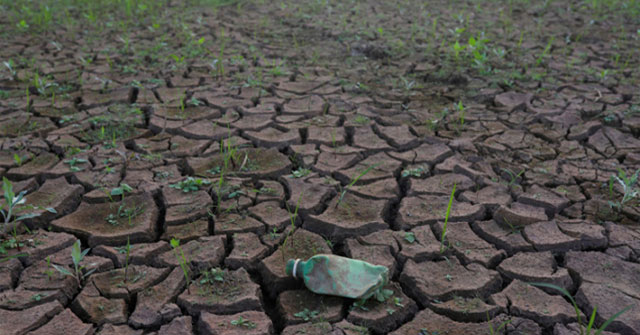
If the Earth warms by 2 degrees Celsius instead of 1.5 degrees Celsius, people, wildlife and ecosystems will all suffer severe consequences.
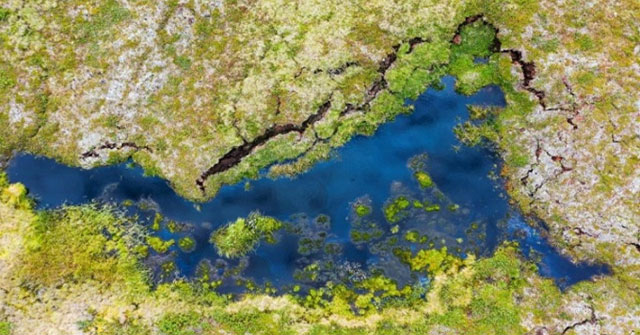
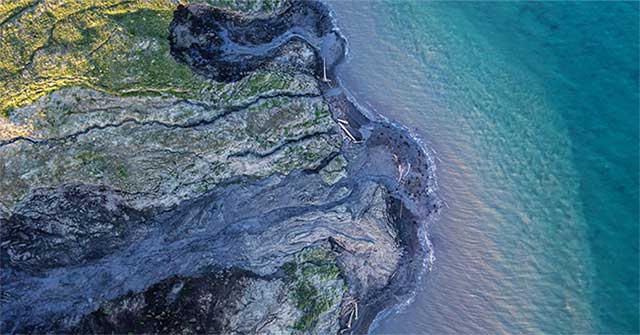
Permafrost melting due to global warming brings with it many threats such as the release of greenhouse gases, fractured infrastructure and changing landscapes.
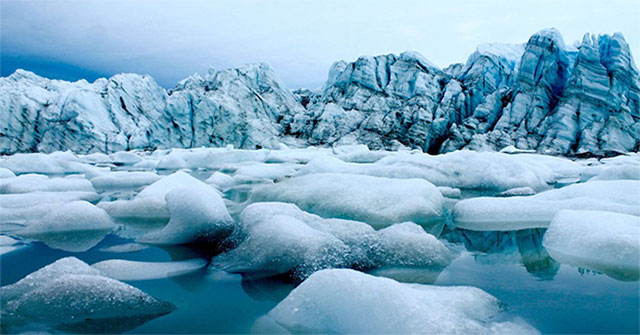
Now besides facing serious pollution of the environment or the greenhouse effect ... our Earth is facing another worrying phenomenon, which is the melting of ice. at bot…
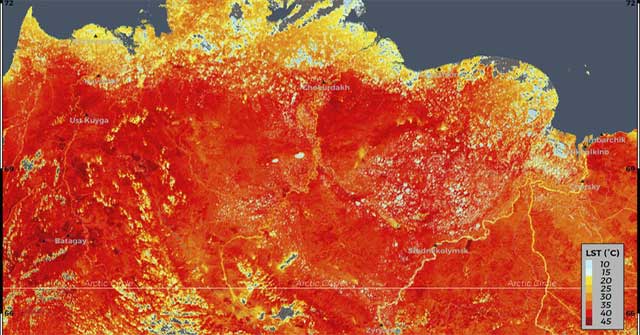
The AP posted that the Arctic temperature is constantly rising, causing scientists to worry about the consequences that the rest of the world will suffer.
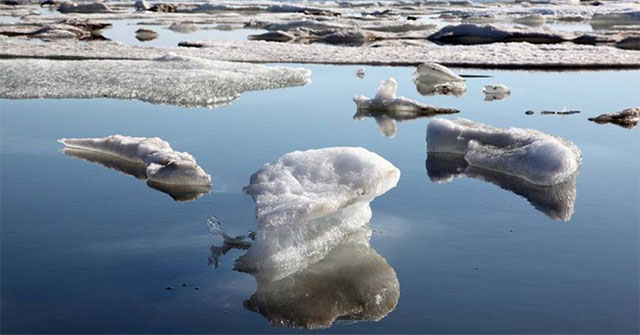
A recent oil spill in the Arctic Circle in Russia is the first sign of the unpredictable calamities coming from global warming.
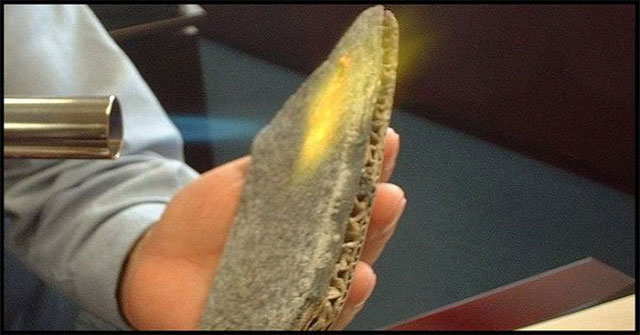
This is a material similar to ceramics.

The year 2019 is the year of many large and unprecedented fires occurring throughout parts of Siberia and Alaska.
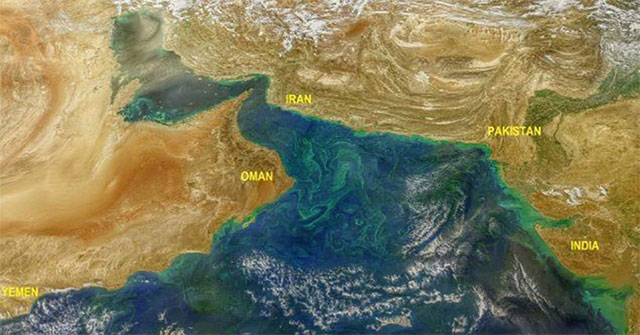
Research published today 4/5 shows that global warming is stimulating toxic algae to bloom, disrupting fishing activities of fishermen.
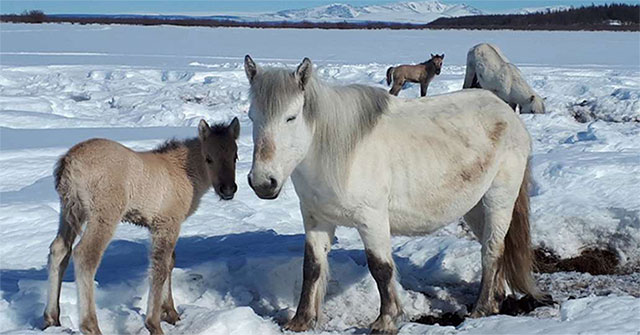
The presence of polar horses, bison or reindeer in the polar regions can slow down the rate of everlasting melting, helping to combat climate change.
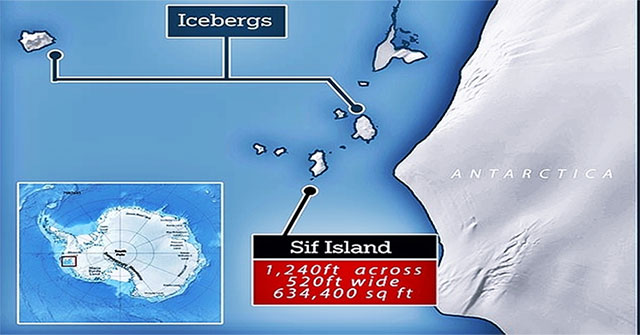
Sif Island with a layer of brown volcanic granite and traces of creatures appear due to melting ice in Antarctica.
Scientists have recently alerted the warning that the Arctic green cover is becoming increasingly complex.