Discover science
Asteroid crater is over 2.2 billion years old
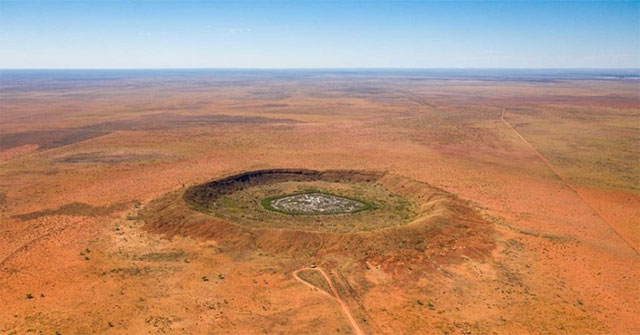
The oldest crater on Earth in the town of Yarrabubba has a diameter of nearly 70km.
Browse ScienceInfo articles and explainers related to Meteorite.
736 published items.
The oldest crater on Earth in the town of Yarrabubba has a diameter of nearly 70km.
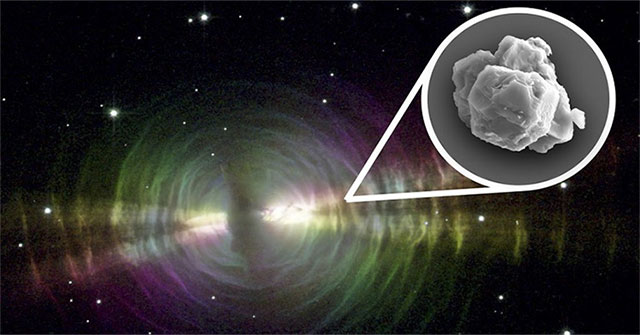
Scientists identified the giant rock meteorite that fell to Earth half a century ago containing dust and is believed to be the oldest solid material.
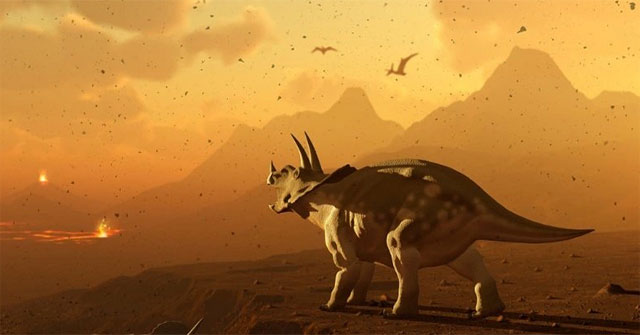
A new study has just published that before Chicxulub asteroid hit the Earth 66 million years ago, dinosaurs and other living creatures were faced with toxic levels of me…
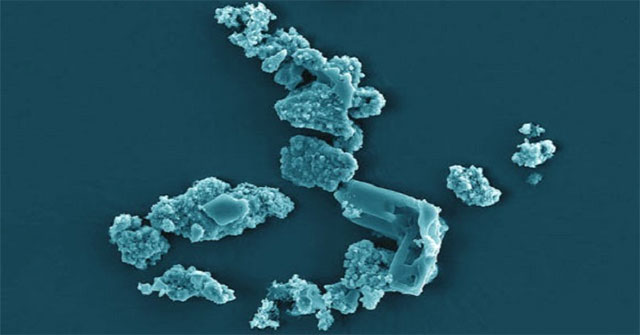
The metals in rock meteorites are the favorite food source of a microorganism named Metallosphaera sedula.
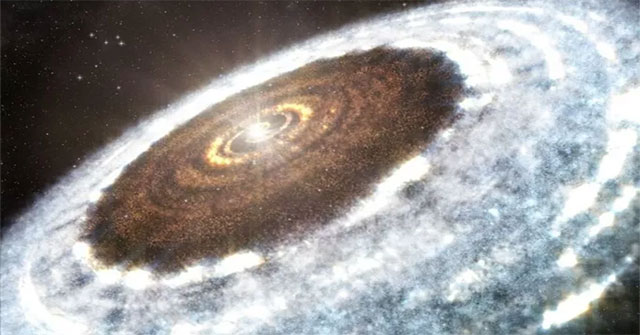
Our oldest homeland may be a snow circle - the beautiful water around the young sun, which provides materials to shape the earth and its neighbors.

A leading astronomer believes that the scenario of an asteroid plummeting to Earth, wiping out the life of mankind is only a matter of time.
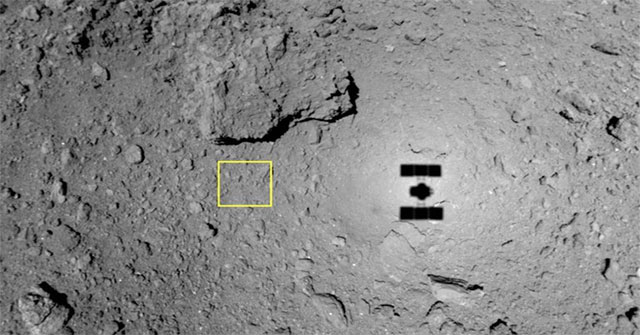
The Japan Aerospace Exploration Agency (JAXA) said the Hayabusa 2 probe had left the asteroid Ryugu and was on its way back to Earth.
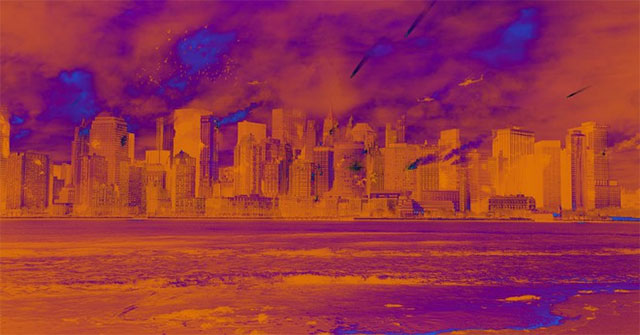
According to Oxford University scientists, the highest probability that 100% of Earth's population will perish is 1 in 14,000.
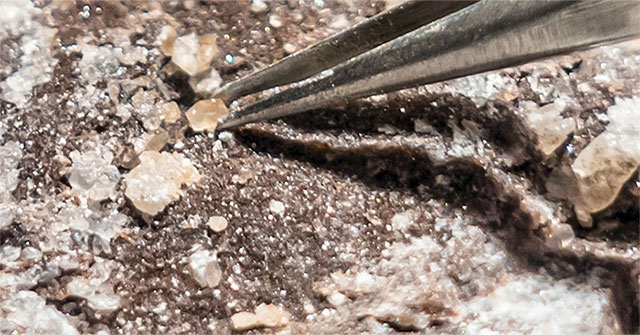
The impact crater, 52 km in diameter, caused by asteroids crashing into Earth became a favorable habitat for ancient microorganisms.
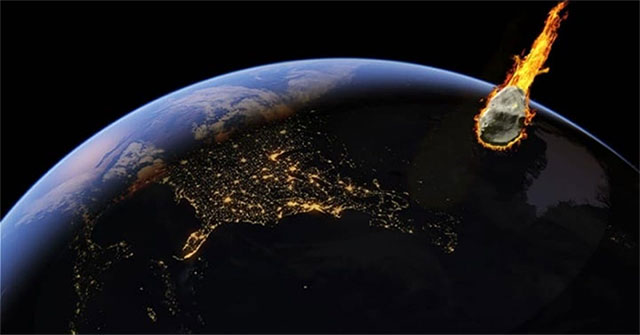
The meteorite has an estimated diameter of 14m, has been added to the list of hazards to Earth by the European Space Agency (ESA) after calculating the path and detectin…
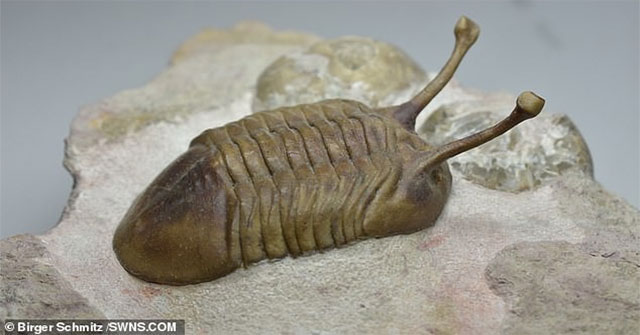
A multinational team has found evidence of an ice age of life caused by a giant asteroid 466 million years ago.

The pieces of coal, strange rocks, stones and sulfur from hell have helped scientists recreate the earth's day of disaster equivalent to 10 billion atomic bombs.
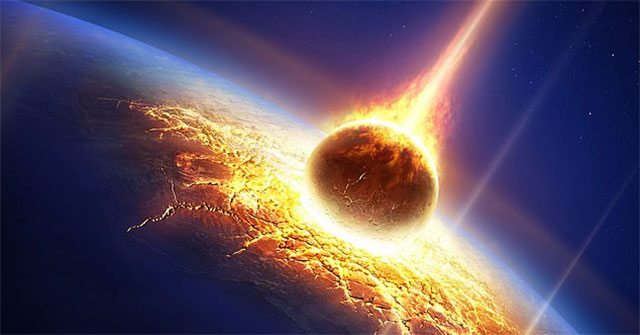
The European Space Agency (ESA) recently assessed the number of meteorites that are likely to hit Earth in the next 100 years.
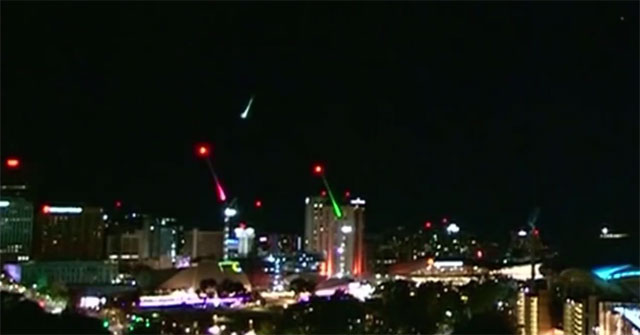
Recently, a relatively large meteorite has landed in southern Australia, creating a giant trail of light in the dark night.
This underground water area is meteorite water, which is derived from rain and snow.