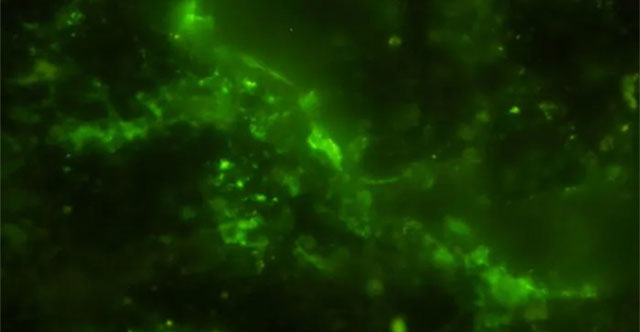
Discover science
2 Billion Year Old Rock Contains Living Microorganisms
The oldest living microorganisms ever found in rocks could be useful to scientists searching for life on other planets.
Browse ScienceInfo articles and explainers related to Microbial.
69 published items.
The oldest living microorganisms ever found in rocks could be useful to scientists searching for life on other planets.
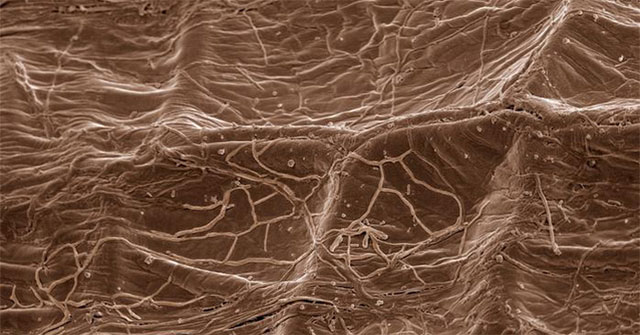
The ground beneath our feet has a vast microbial network known as the 'wood wide web', also known as the tree's social network. This network allows trees to communicate…
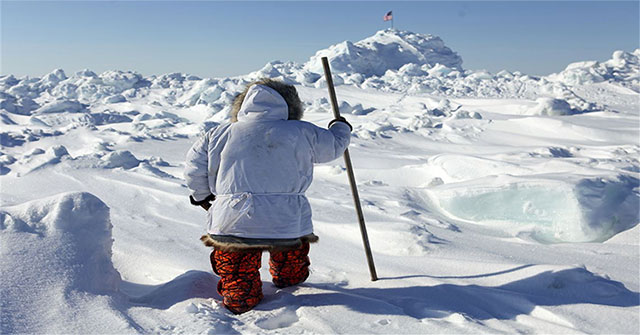
Scientists have found proliferation of microbial communities thriving in seawater pockets beneath the Arctic tundra of 6 meters.
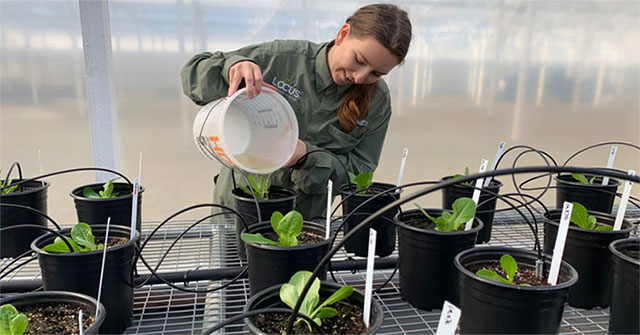
On thousands of acres of oranges in Florida, farmers are adding mushrooms and beneficial bacteria to the soil to help the orange grow bigger and sweeter.

One study found that just ten minutes in the ocean, your skin may be covered by a layer of bacteria that live in the sea, which can cause infection.
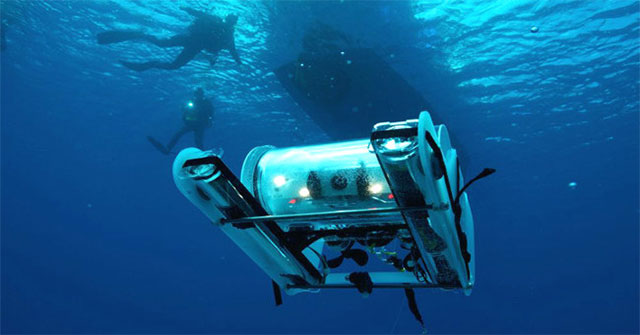
In recent decades, in the field of underwater exploration, diving equipment has provided a lot of valuable information to science.
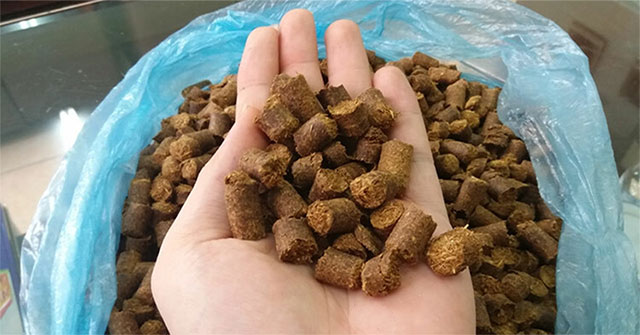
From agricultural residues scientists have used to make animal feed, organic fertilizers bring higher economic value.

The 83-year-old teacher produced microbial fertilizer from garbage, the first prize of bare metal invention in 2018, natural university, national university of Ho Chi Mi…

Scientists have discovered a giant carpet of bacteria in the 130,000-square-kilometer oceanic ocean off the coast of Chile and Peru.
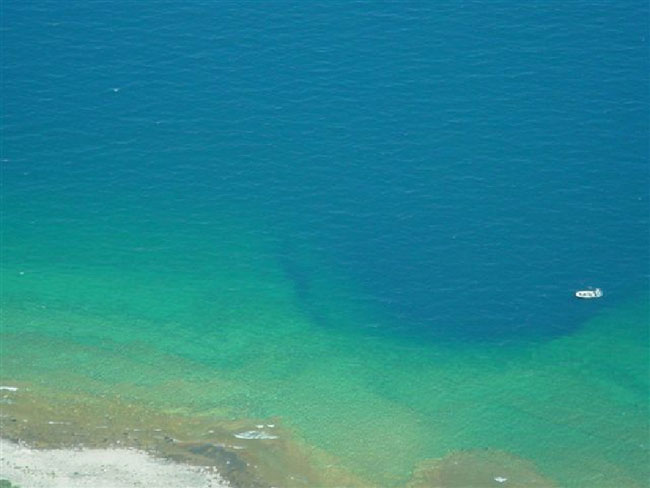
Strange geological formations are creating conditions for the floating microbial carpet to grow in the Great Lakes.
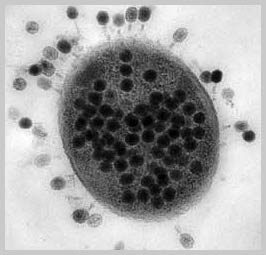
The ocean has many creatures: big, small, and extremely small. Microbial viruses (phage) are microscopic and self-replicating biome communities that can alter the geneti…
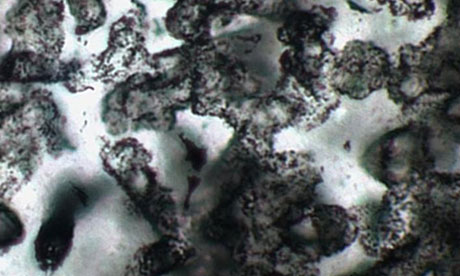
Researchers discovered fossils of microorganisms at Strelley in Western Australia, dating back 3.4 billion years before land and oxygen atmosphere on Earth, reinforcing…
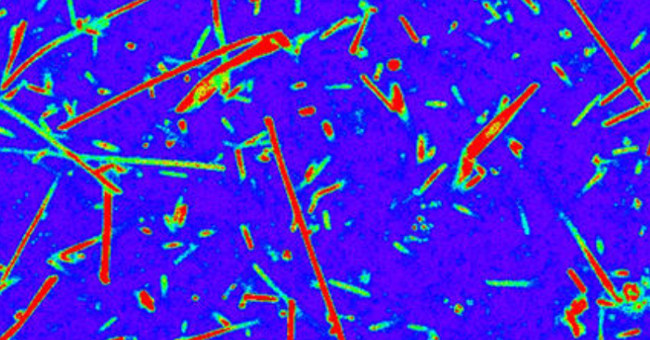
Scientists have chosen a fluorescent dye that allows observing microbial activity in real time.
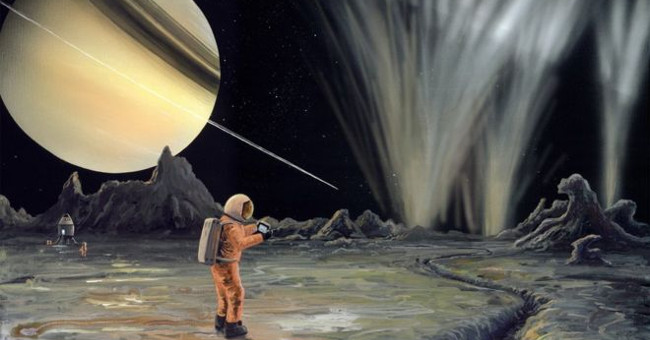
The Cassini probe captures images of huge steam currents and other matter spewing out from the southernmost cracks of the moon Enceladus, making it one of the most likel…
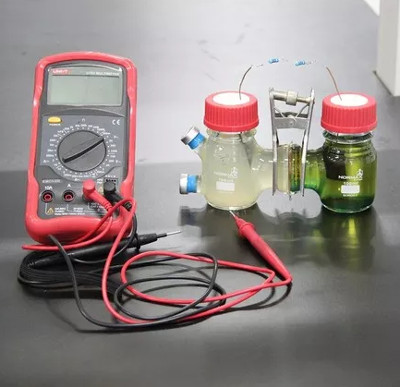
This system can produce a stable current and does not depend on weather or location.