Archeology
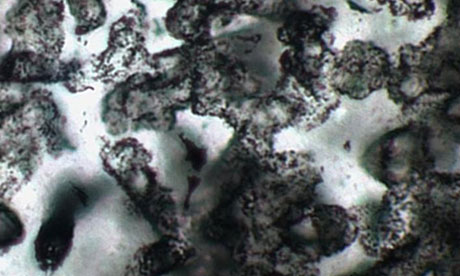
Found life on Mars from microbial fossils
Researchers discovered fossils of microorganisms at Strelley in Western Australia, dating back 3.4 billion years before land and oxygen atmosphere on Earth, reinforcing…
Browse ScienceInfo articles and explainers related to Microorganism.
207 published items.
Researchers discovered fossils of microorganisms at Strelley in Western Australia, dating back 3.4 billion years before land and oxygen atmosphere on Earth, reinforcing…
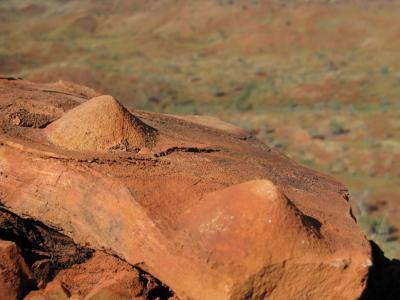
Stromatolite rock is an ancient sedimentary rock structure with a round or cylindrical top shape formed in layers of shallow water through long-term geological transform…

The early Earth was purple and so were the planets that started another life, according to a new US study.
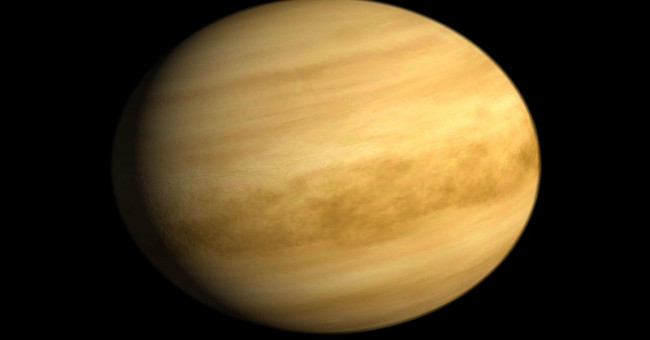
A new study shows that clouds on Venus are capable of containing alien microorganisms, Newsweek reported on April 2.
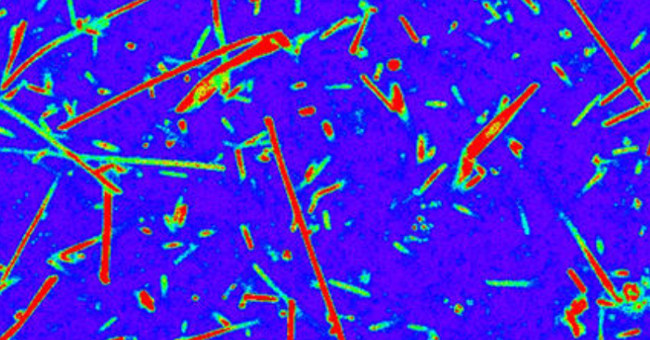
Scientists have chosen a fluorescent dye that allows observing microbial activity in real time.
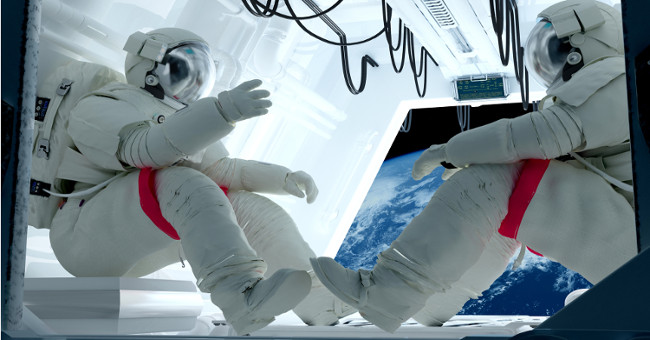
Recycling waste into food will be an important solution in space exploration, says Christopher House, a microbiologist at Pennsylvania State University.
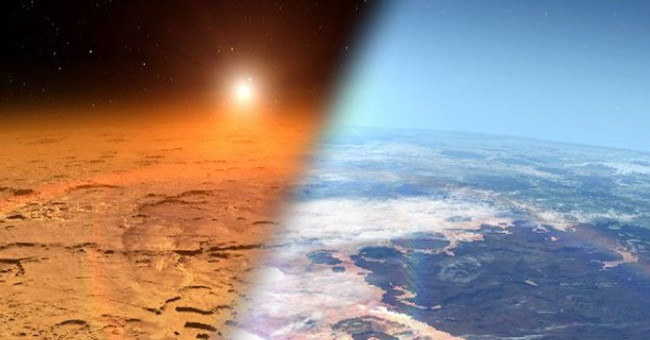
Currently the Martian atmosphere contains only 0.13% oxygen, while the Earth's atmosphere is 21%.
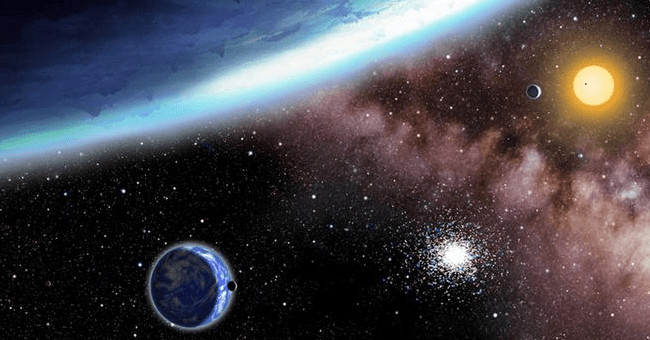
Many planets roam the universe without flying around or around any parent star.
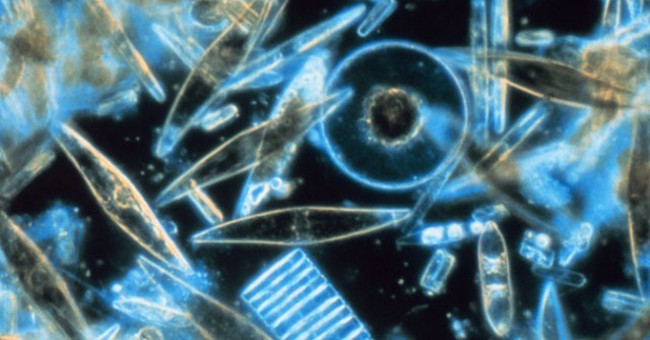
Of the 19 dust samples collected in the universe, there are many examples of comet dust and dust that can contain a lot of living microorganisms living.

People still think that in the harsh conditions of space, microorganisms will not survive, but they are wrong.
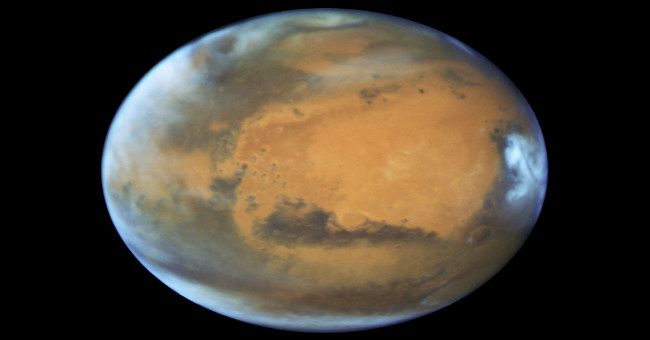
This is the result of research by American biologists, published in the journal Origins of Life and Evolution of Biospheres (Origins of Life and Evolution of Biospheres).
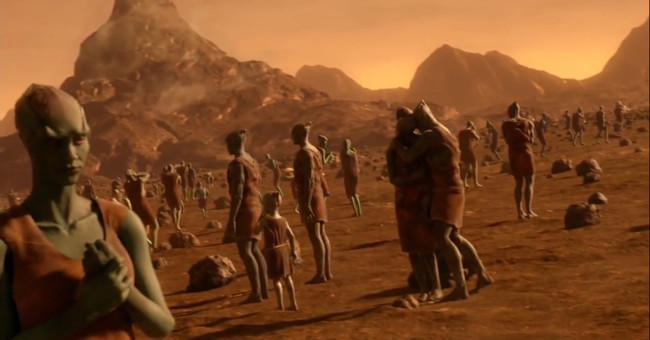
In many fantasy films, people born on Mars will have weaker bones than normal, so they won't tolerate gravity on Earth.
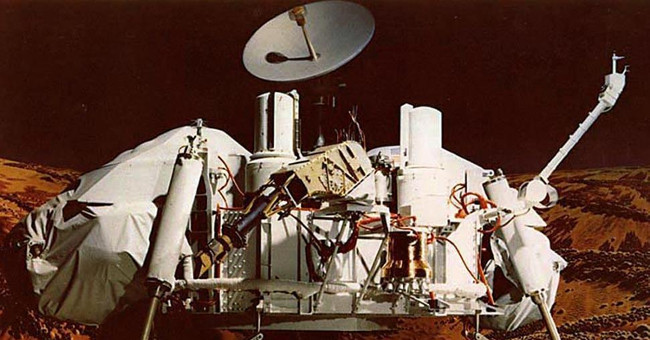
The new study shows that we should have known about life on Mars since 1976.
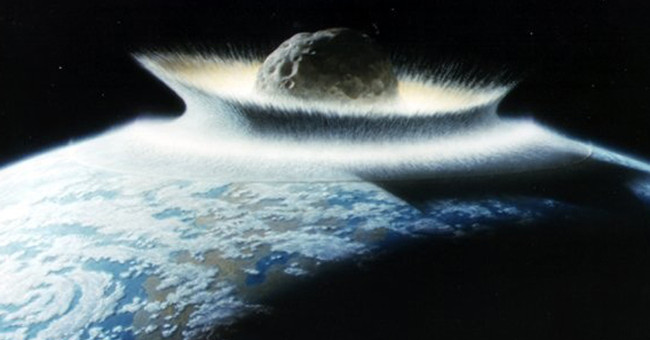
According to a recent study, the collisions of asteroids into the Earth's surface may have facilitated the growth of microorganisms.
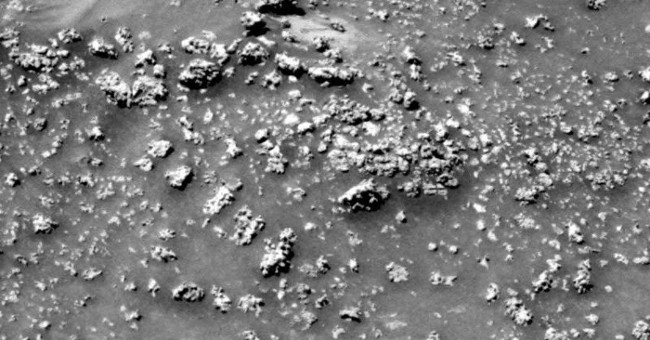
An unusual mineral reservoir on Mars may be caused by bacteria, scientists said.