Oceanography
Mysterious giant 'monster' species weighs 3 quintals
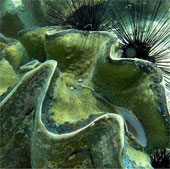
Giant clam with the scientific name Tridacna gigas, is the world's largest two-shell mollusk, discovered in 1521.
Browse ScienceInfo articles and explainers related to Mollusc.
39 published items.
Giant clam with the scientific name Tridacna gigas, is the world's largest two-shell mollusk, discovered in 1521.

Biologists have discovered why the sea slug (scientific name aplysia) always leaves a smudge on the surface where they have crawled.
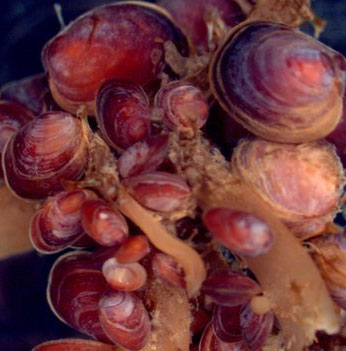
A mussel in Antarctica possesses male sex organs when they are young, but turns into females during adulthood. The species Lissarca miliaris was first described in 1845…
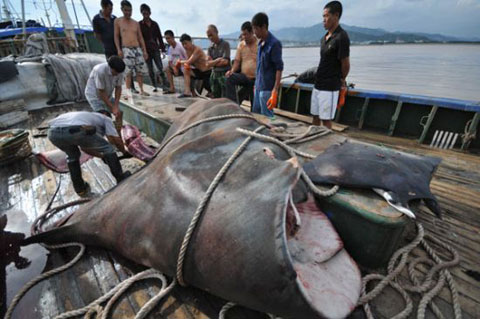
Chinese fishermen have caught a giant stingray weighing more than a ton off the coast of Fujian province. After putting stingray on a boat on September 3, fishermen took…
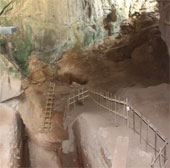
Con Moong Cave in Mo Village, Thanh Yen Commune, Thach Thanh District (Thanh Hoa) has an absolute height of 147m, a relative altitude of 32m, located in the limestone mo…
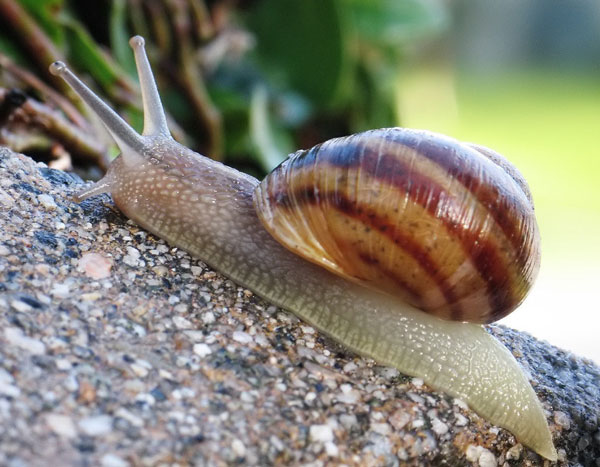
Fossils of a snail-like creature, living in the seabed 500 million years ago, have revealed light on the origin of modern snails, shellfish and squid species.

A 5-year-old English girl accidentally
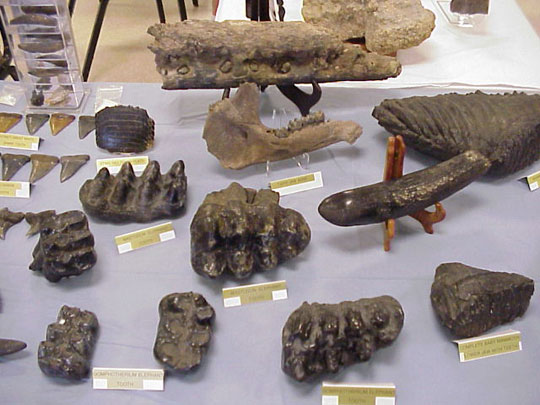
Scientists have discovered a large amount of mollusc creature dating back about 500 million years near Table Mountain, South Africa.
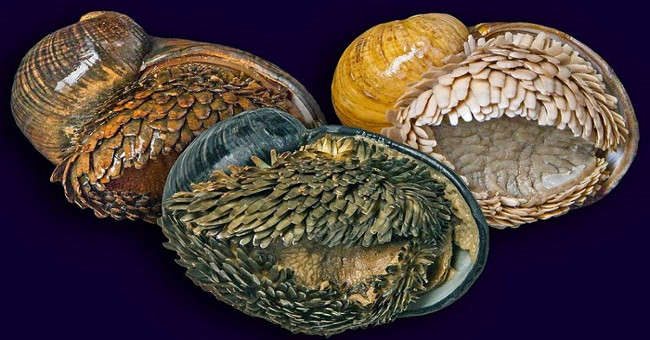
Looking at this strange animal, one immediately mentions a snail with iron armor and creepy feathers.

Recent research by US scientists shows that fish species in Lake Tanganyika, the oldest and deepest lake in Africa, are increasingly scarce due to global warming.
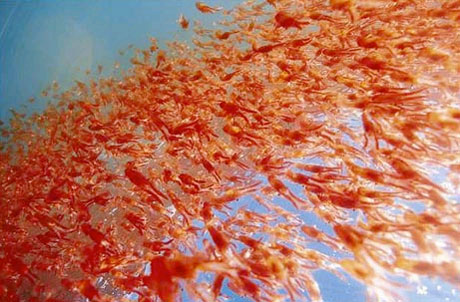
The bodies of animals washed up on Pucusana beach, a place about 37km south of the capital Lima. The incident was discovered on 25/5. The Peruvian Navy said it had sent…
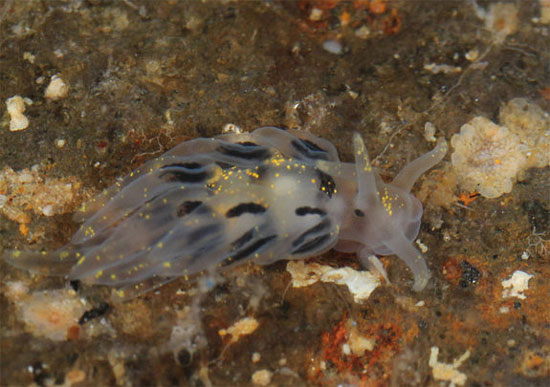
Scientists at Dalhousie University, Canada and the University of Hawaii have published a study, which shows that there are about 8.7 million different species that exist…

When the corpses of giant squid were found in Spain more than a decade ago, scientists suspected that loud noises from boats damaged them. Now, it has been clarified.
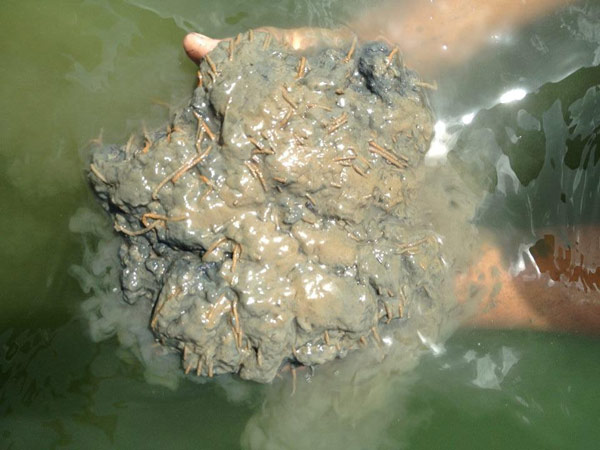
Copefloc uses copepods (copepods), biofloc particles and mollusks live bottom (polychaete worms, ...) as a major food source for farmed shrimp and absolutely no use of f…