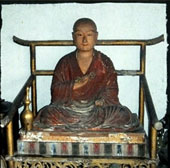
Discover science
How does Japanese monk self-mummify?
Ancient Japanese monks used to self-mummify themselves through harsh cultivation and eating regimes.
Browse ScienceInfo articles and explainers related to Monk.
80 published items.
Ancient Japanese monks used to self-mummify themselves through harsh cultivation and eating regimes.
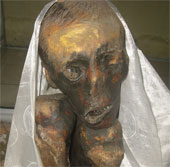
This 500-year-old mummy is the Zen master Sangha Tenzin. This is one of the artifacts found by scientists in Key Gompa monastery (or Ki, Kye, Kee) in the Spiti valley, l…
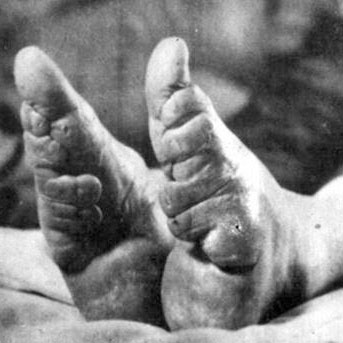
In the world, there are not many strange, weird, even, horrible customs in it, many of these customs are now removed.
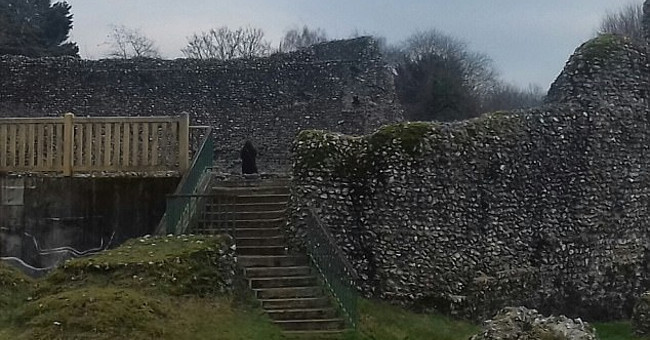
A father and son photographed a castle in the Middle Ages, saying they had discovered a very mysterious thing in the picture.
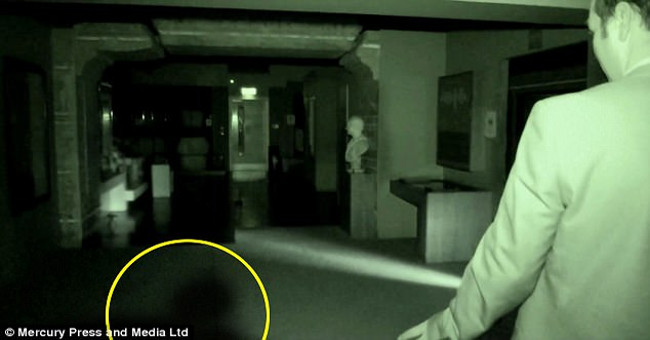
Sean and Rebecca were using the REM pod column and a shadow detector to shoot the night scene in the museum when the electronic devices suddenly made a continuous beep.
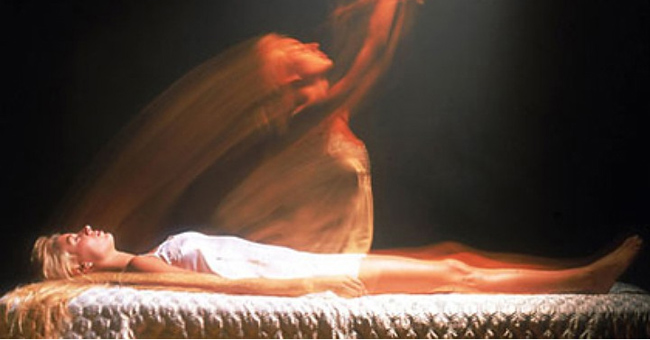
The phenomenon of resurrected dead is a mysterious phenomenon explained by scientists but for superstitious people, they believe that the bobcat (black cat) can revive t…
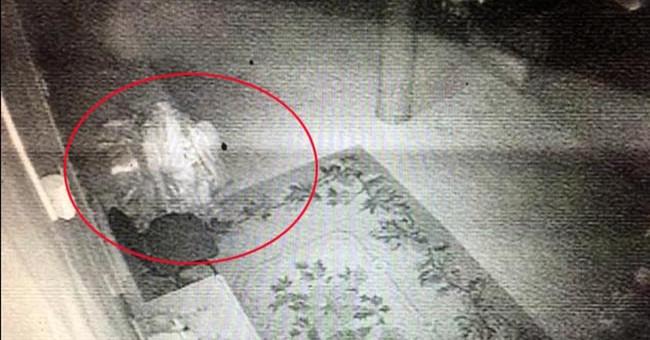
After discovering the shadow of the palace of a Tibetan Lama, Buddhists all thought that his mummy was resurrected and moved.
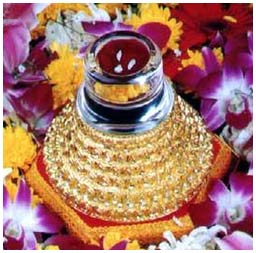
They are crystal beads with enough colors, glitter like pearls, solid like diamonds, hammering and not breaking, burning fire does not burn. They were found in the ashes…
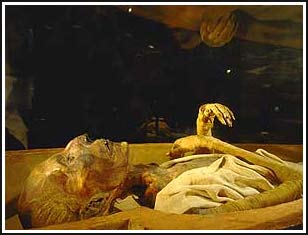
About 50 km north of the center of the capital city of the Republic of Ukraine, there is a famous tomb with hundreds of mummies but strange because the mummies are prese…
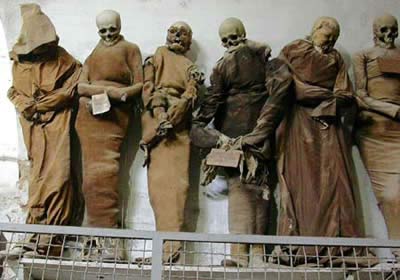
People are always proud of their scientific and technical level, have discovered all the niches on the earth and began to explore the space. There are still many bow ties
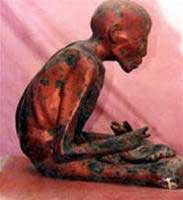
Buddhists say that only high-level Zen masters can fall into some special state before dying and remove themselves to the point that their bodies cannot decompose.
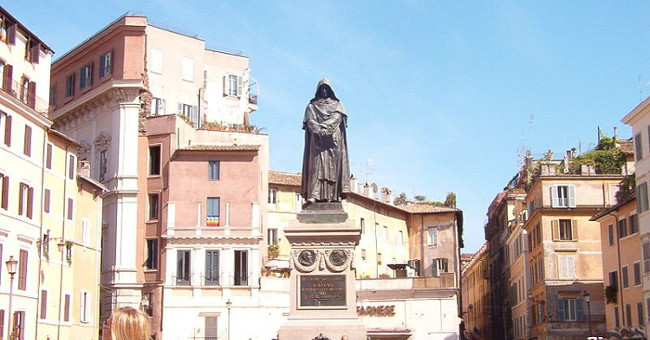
Giordano Bruno (1548 - 1600) was an Italian monk, an Italian philosopher, an Italian mathematician and astronomer.
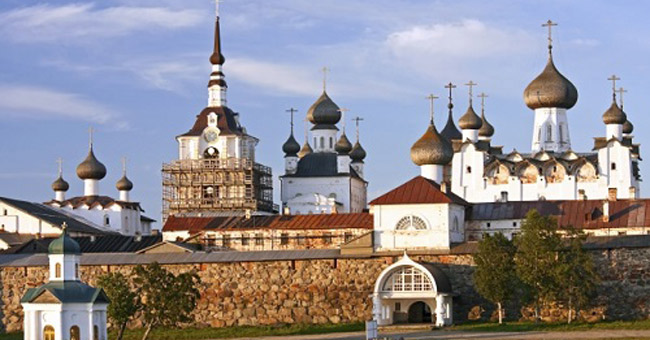
Unesco's Scientific, Educational and Cultural Organization has recognized the cultural and historical landscape of Solovetsky Island in Russia as a World Cultural Herita…
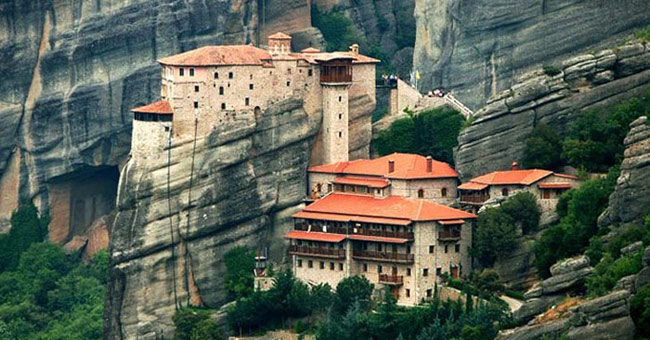
Unesco's Scientific, Educational and Cultural Organization recognized the Meteora monastery of Greece as the World Natural & Cultural Heritage listed in the mixed herita…
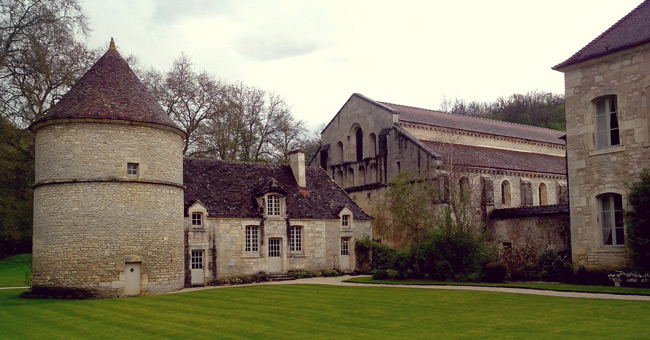
Unesco's Scientific, Educational and Cultural Organization recognized French Fontenay monastery as a World Cultural Heritage in 1981.