Space science
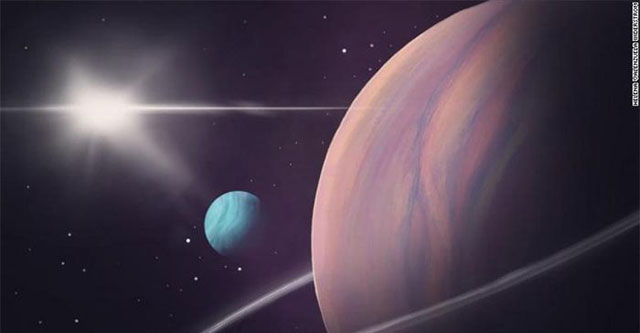
Rare discovery of a giant moon 2.6 times larger than Earth
Astronomers have discovered a moon completely different from any object in our Solar System.
Browse ScienceInfo articles and explainers related to Moon.
1,903 published items.
Astronomers have discovered a moon completely different from any object in our Solar System.

China built a research facility that simulates a low-gravity environment on the Moon, inspired by an experiment using magnets to make frogs fly.
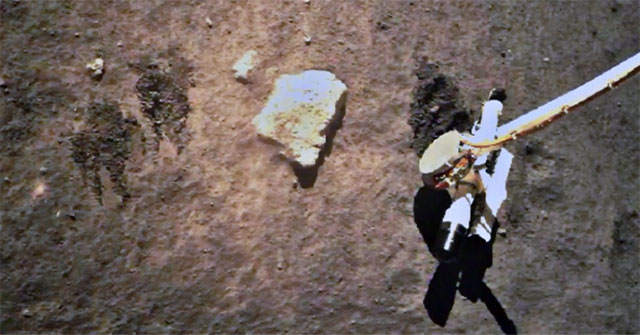
China's Chang'e 5 lunar lander has sent back to Earth the first in situ evidence of the existence of water on the Moon's surface.
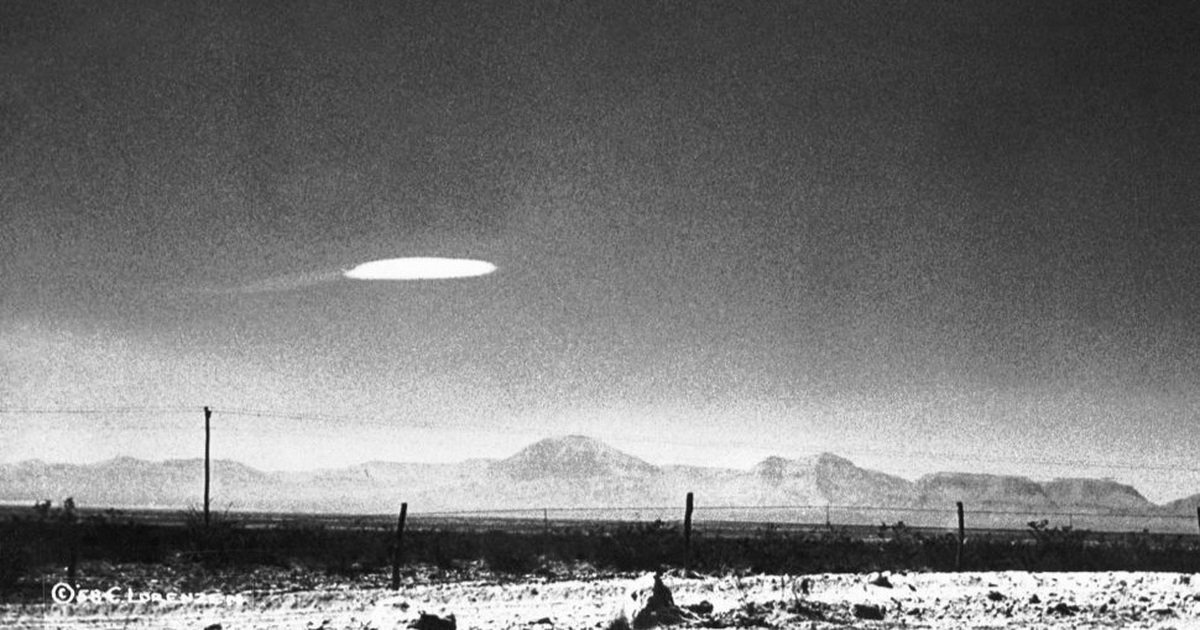
The year 2021 brings sci-fi lovers and UFO hunters with plenty of evidence, scientific research, and facts to continue believing in the existence of aliens.
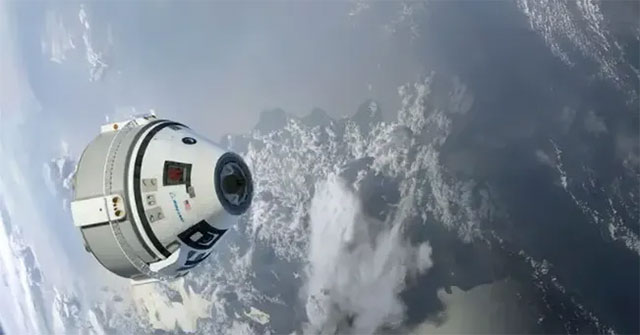
Humans have been, are and will always have the ambition to explore the universe, and in fact human's ability to access space and space is greater than ever.
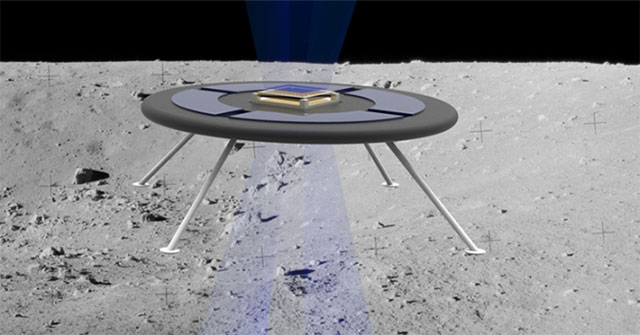
MIT's flat circular robot takes advantage of the Moon's natural electric field to levitate, consuming very little energy when operating.
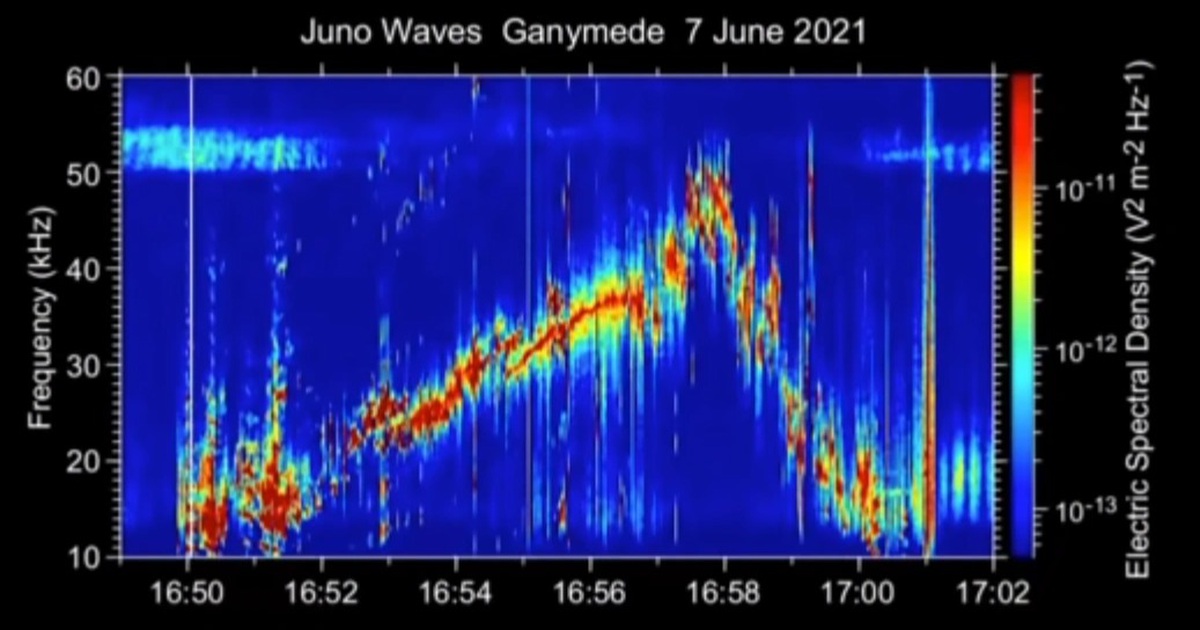
'This sound gives you goosebumps,' said physicist Scott Bolton, the probe's principal investigator. What information does it contain?
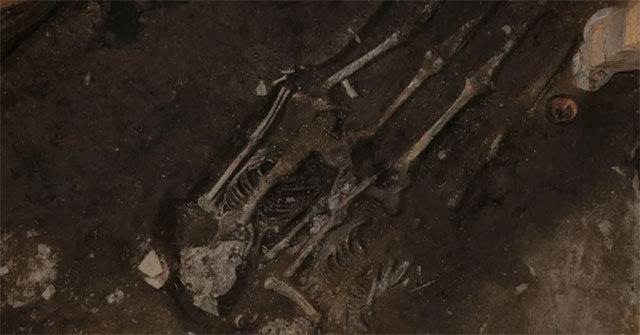
Around AD 50, after more than 100 years of establishment, the House of Silla decided to build the capital. They chose Gyeongju, a coastal land in the southeastern part o…
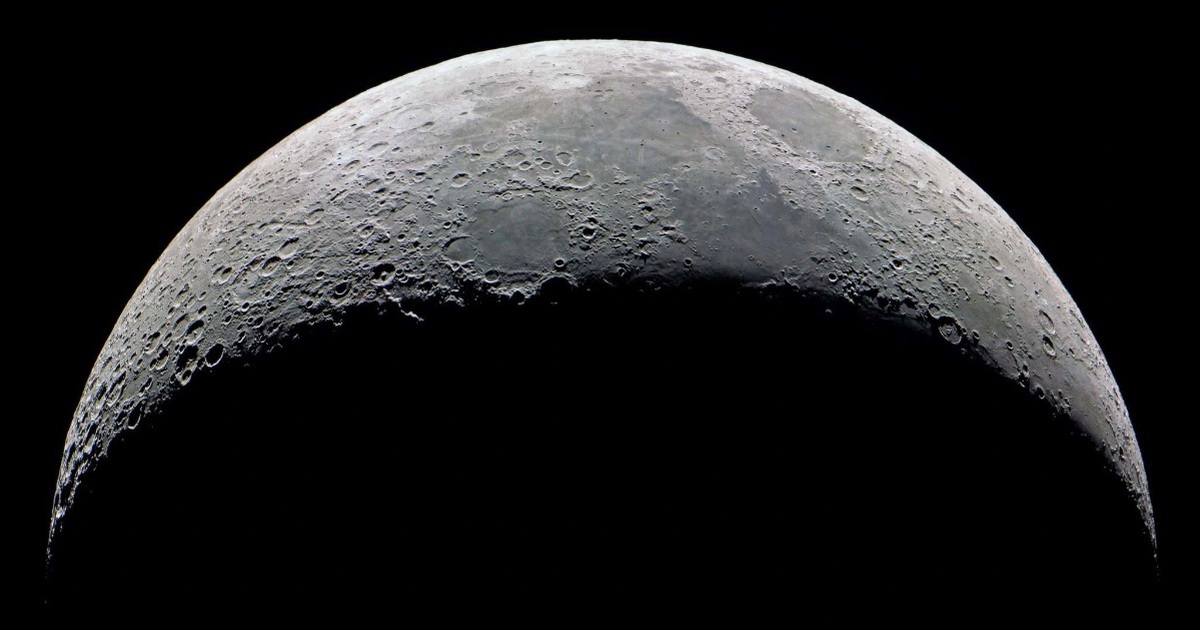
Many celestial bodies in the Solar System can fall into the 'planet' category, including Earth's Moon and many others, and even some 'dwarf planets', or 'asteroids'.
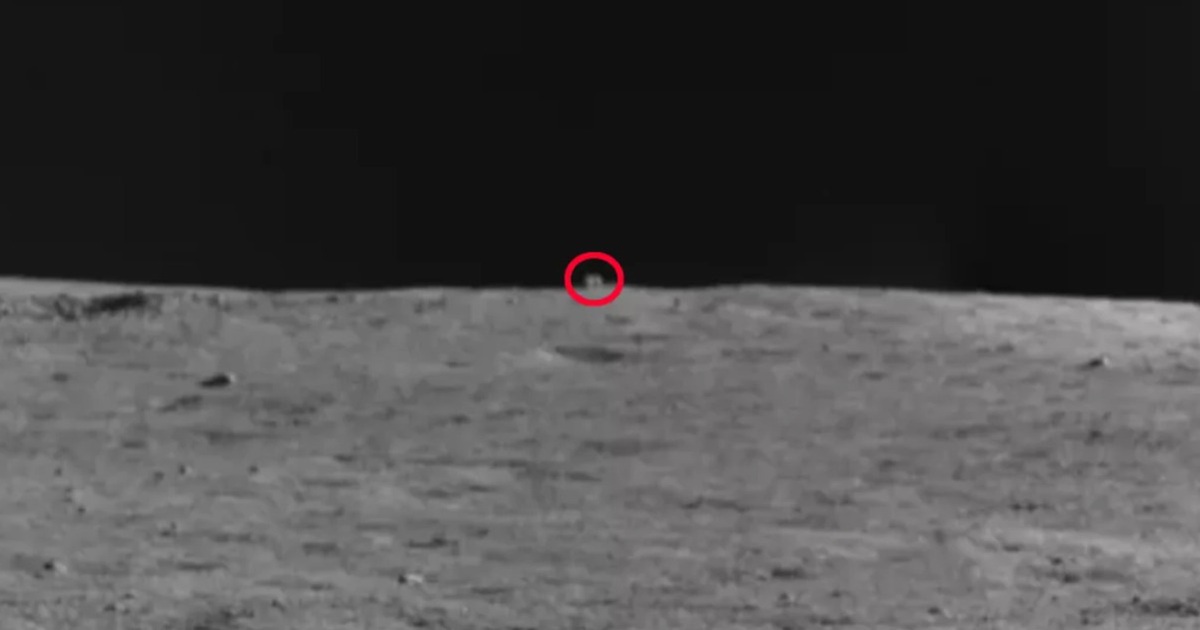
The Chinese exploration robot Yutu-2 (Jade Rabbit 2) has suddenly discovered a cube-shaped object on the Moon, raising many doubts.
China's Yutu-2 probe will study a mysterious cube-shaped object it has previously discovered on the Moon.
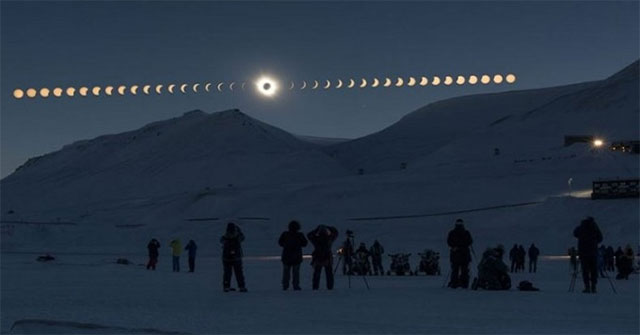
NASA said this year's only total solar eclipse will take place on December 4, but the entire event can only be observed from the South Pole.
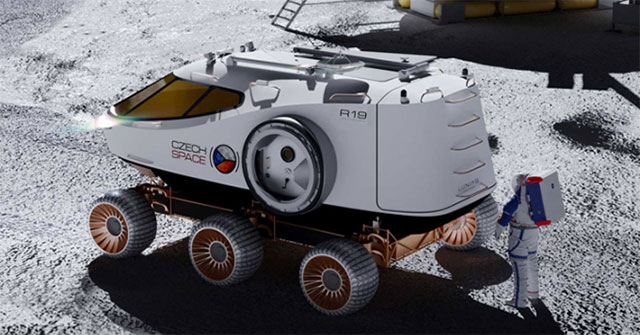
The Luniaq tram has transparent aluminum windows and uses airless tire technology to navigate the rough lunar surface.
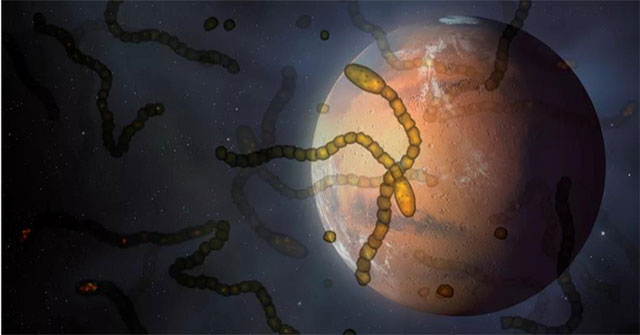
An international study has warned of a very real risk of
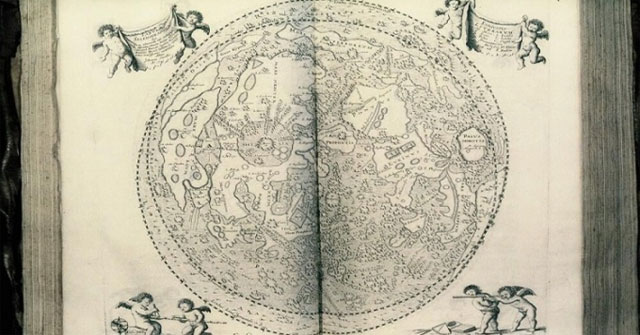
German astronomer Johannes Hevelius used a microscope to make the first detailed map of Earth's natural satellite.