Space science
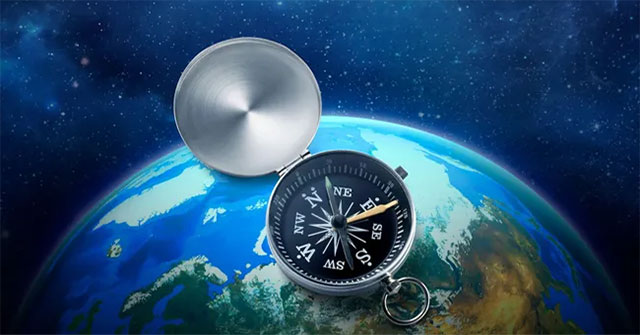
On Earth, a compass always points north – but where does it point in space?
On Earth, our planet's magnetic field points north, but in space, things are a bit more complicated.
Browse ScienceInfo articles and explainers related to Navigation.
133 published items.
On Earth, our planet's magnetic field points north, but in space, things are a bit more complicated.
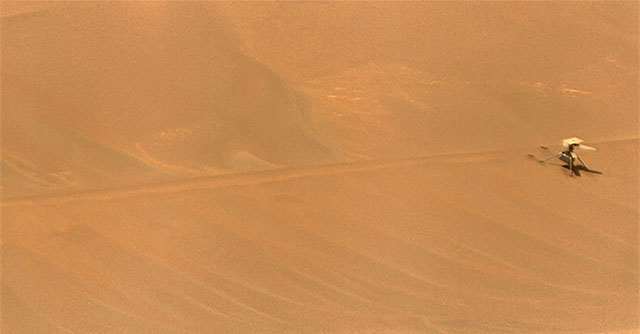
Ingenuity, NASA's Mars research helicopter, crashed on January 18, 2024 due to a problem with its guidance system.
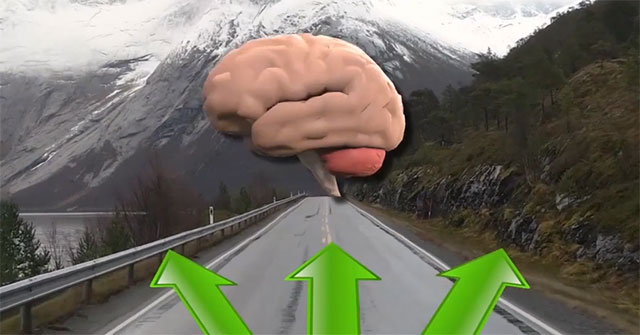
Good navigation depends on many senses and brain cells, and reducing GPS use can also improve this ability.
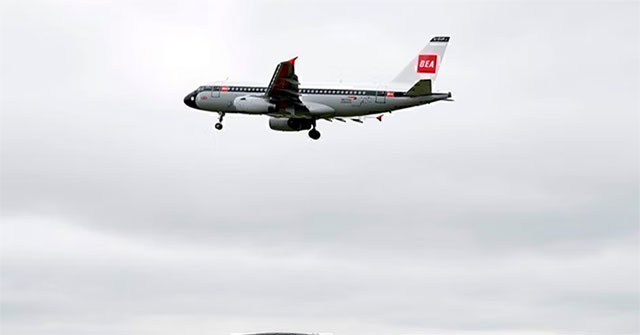
Britain conducts test flights of quantum-based technology, which it hopes will enable navigation independent of traditional satellite systems using GPS.
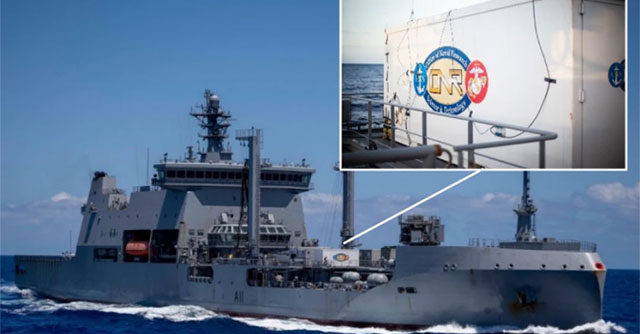
USA- Experts developed an atomic clock that can calculate time about 1,000 times more accurately than most clocks on ships today.
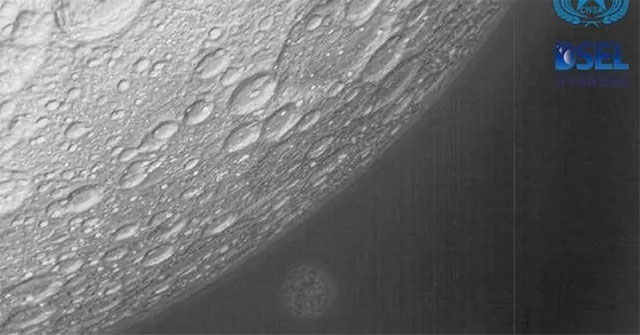
China's experimental lunar satellites Tiandu-1 and 2 are testing lunar navigation and communications technology.

The suicide dive of the NASA spacecraft named DART caused such a strong impact that our neighboring planet also

Scientists note that men have better driving ability due to better navigation. Meanwhile, women remember for a long time and can easily master foreign languages.
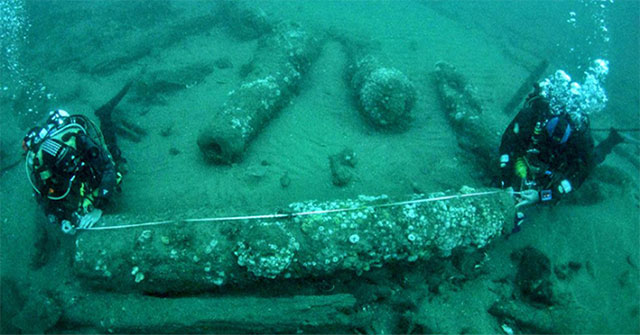
After 15 years of painstaking research, the truth about a ghost ship half-buried on the seabed is gradually revealed.

The KNaCK backpack uses lidar technology to help astronauts navigate the Moon, while creating detailed maps in real time.
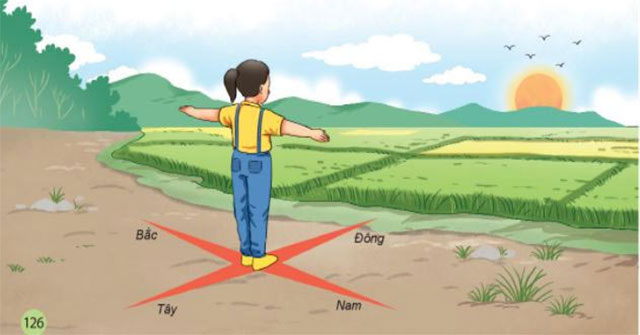
Where you grew up can shape your navigation skills

The 222m-long Soleil ferry reached a maximum speed of 48km/h when testing autonomously on the Iyonada sea, even performing the docking itself.
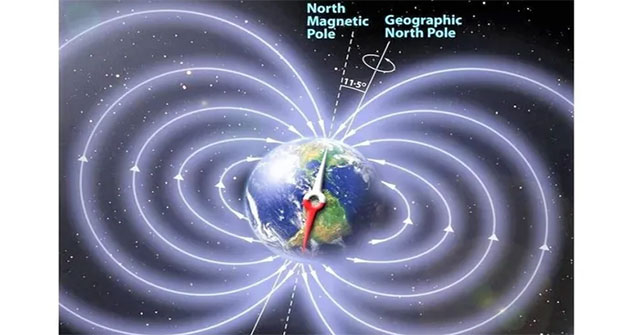
The Earth's magnetic north pole continues to shift for reasons that have not been fully explained by science.
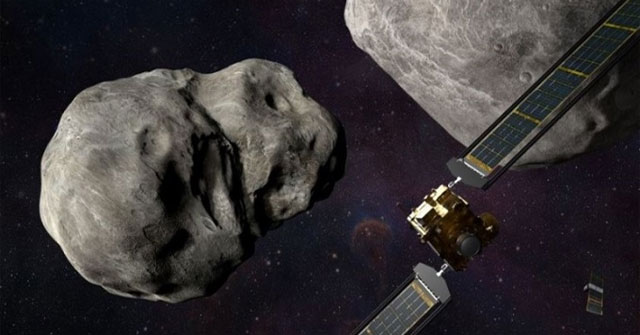
For the first time, NASA will launch a spacecraft to crash into a small asteroid and change its orbit to test planetary defense tactics.
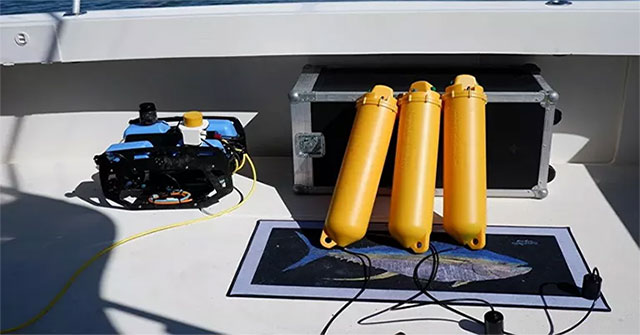
Tour divers, industrial divers, search workers, underwater vehicles: all need navigation systems to navigate.