Discover science
Unexpected facts about the time of
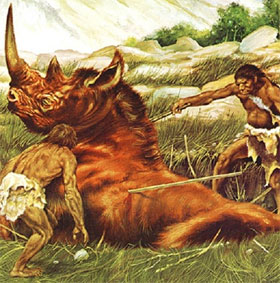
People in prehistoric times who struggled because of the lack of big, stupid Neanderthals or food ... are misconceptions that many people still believe.
Browse ScienceInfo articles and explainers related to Neanderthal.
129 published items.
People in prehistoric times who struggled because of the lack of big, stupid Neanderthals or food ... are misconceptions that many people still believe.
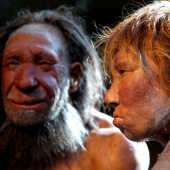
2012 has officially closed with countless scientific discoveries that help us - people are better about their own species.

New research by anthropologists has pointed out that the cause of Neanderthal's right arm has extraordinary power not because they use their right hand to hold a hunting…

Genetic similarities between Neanderthals and modern humans are more likely because they shared a common ancestor rather than mating. That is the statement drawn from th…

Neanderthals lived around the Mediterranean 300,000 years ago. Stone tools Their distinctive 'Mousterian' was found on the Greek continent and also on the islands of Lef…

The results of DNA analysis show that the Neanderthals in western Europe died almost 50,000 years ago, before modern humans appeared for several thousand years.
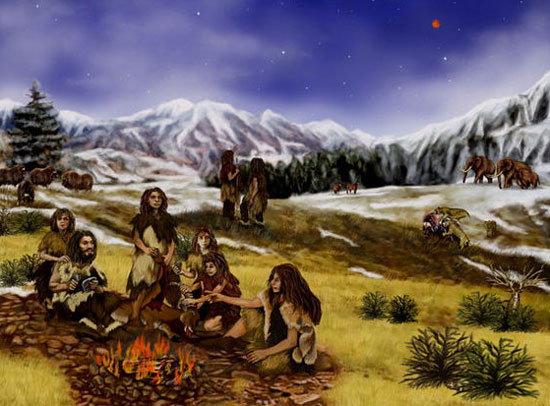
There are many perspectives that have long held that the short legs of Neanderthals were the result of a change to adapt to the cold climate at that time.
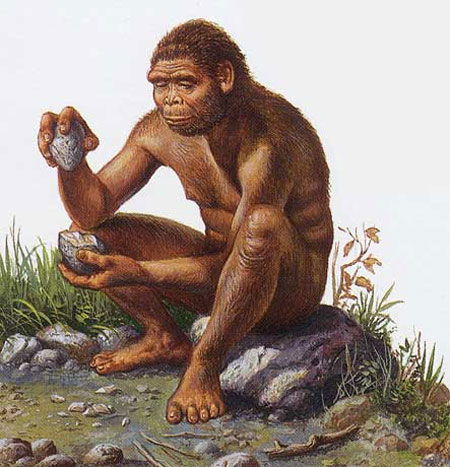

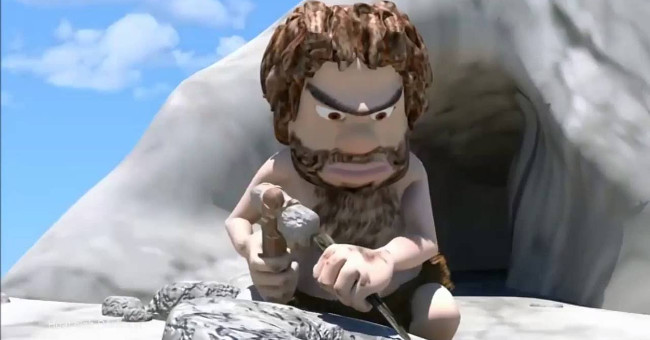
The basic anthropological questions always put scientists in endless debates, where many hypotheses were put forward and the answer was always left open. Here are 10 big…
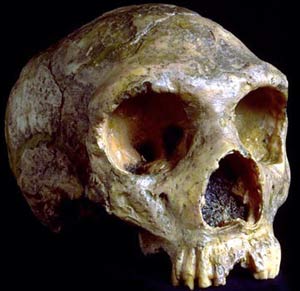
While the ice age covered the earth 30,000 years ago in the ice shelf, in the caves of Gibralta, the Neanderthal caveman eventually found refuge to survive another 10,00…

Scientists from Stanford University have discovered that ancient dates have led to an important exchange of DNA to protect people from disease after they leave Africa.
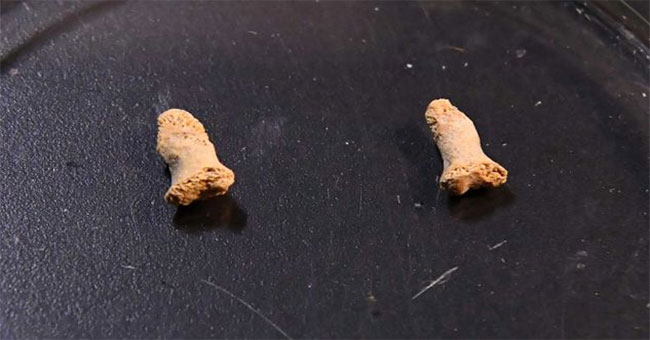
Scientists discovered the bones of a Neanderthal child being eaten by giant birds. The bones of the arms seem to belong to girls 5 - 7 years old.

A group of multinational archaeologists have unearthed and successfully studied the bones of a 13-year-old girl found in an ancient cave in Siberia (Russia).

Previously, scientists believed that the FOXP2 gene, was associated with the development of speech. It is this gene that explains why modern humans have the advantage of…