Space science
Sparkling colors of the nebula
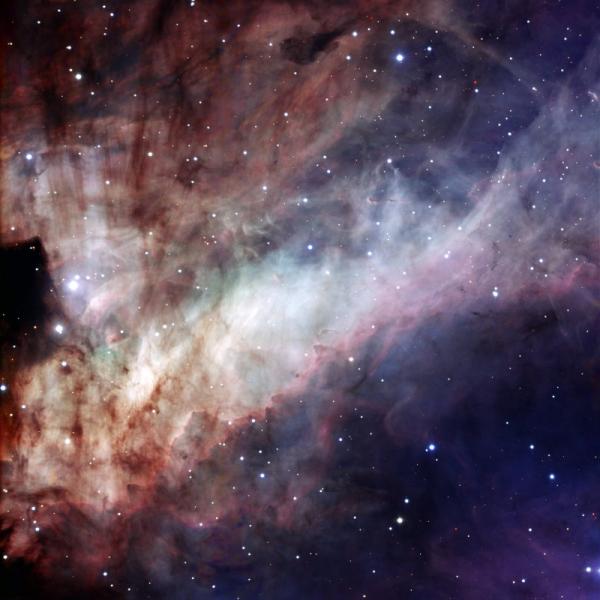
The Omega Nebula, sometimes called the Swan Nebula, is a brilliant star nursery that is 5,500 light-years away in the direction of the constellation Sagittarius. As a st…
Browse ScienceInfo articles and explainers related to Nebula.
173 published items.
The Omega Nebula, sometimes called the Swan Nebula, is a brilliant star nursery that is 5,500 light-years away in the direction of the constellation Sagittarius. As a st…
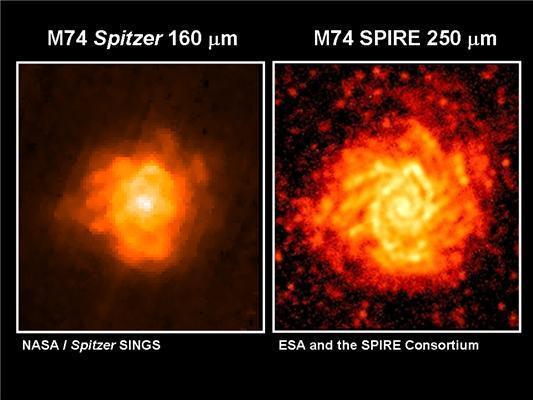
Herschel made the first observational experiment with all of its devices and produced very remarkable results.
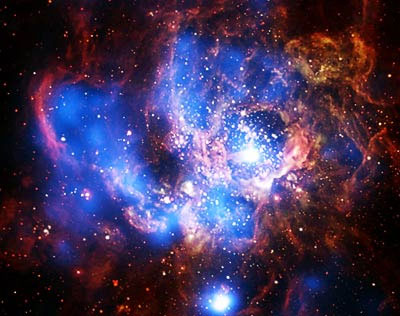
A huge area, larger than the Orion Nebula, created countless new stars, about 14 000 light-years away from the earth hidden behind a thick cloud of dust.
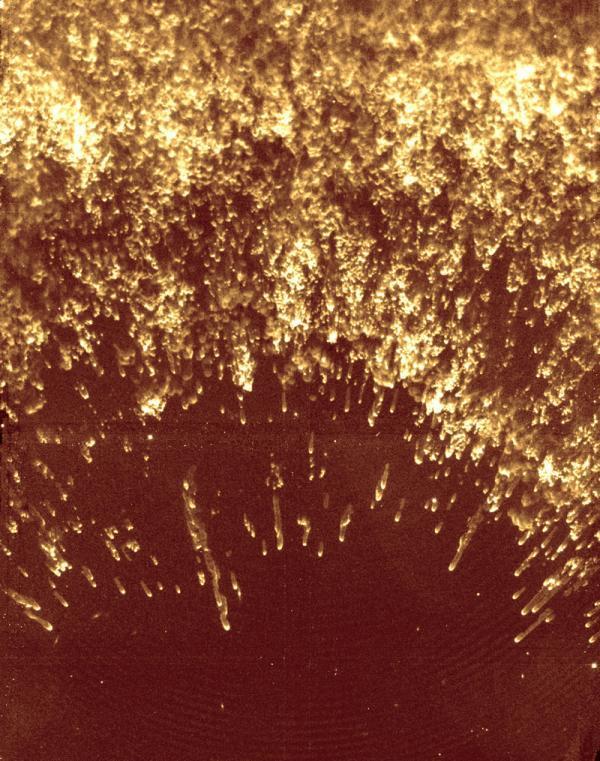
A new photo, taken with an infrared camera on the Subaru Telescope in Hawaii, shows tens of thousands of comets shaped like comets inside the Helix nebula that had never…

'The inevitable future of Barnard 68's cloudless stars' is to collapse and form a new star.
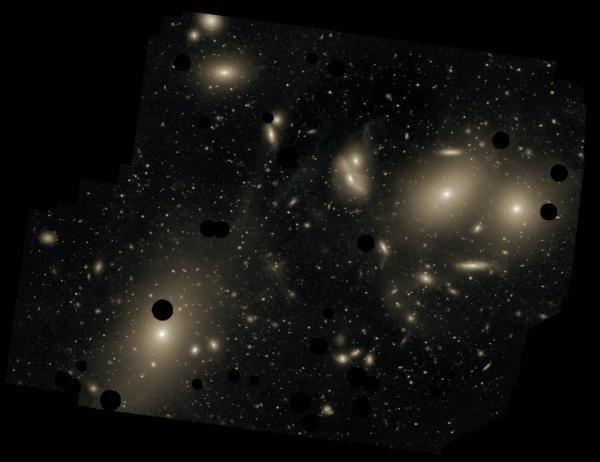
Using ESO's ultra-large VLT telescope, astronomers have succeeded in determining the size of the giant Messier 87 galaxy.

Hubble Space Telescope captures a stunning picture of an eye-like nebula on May 4.
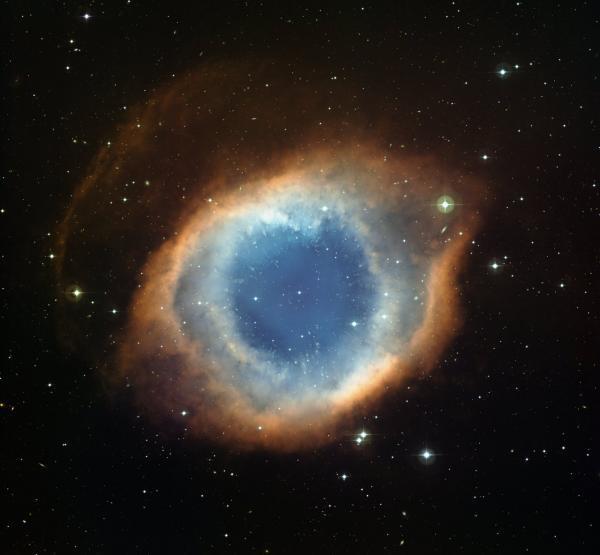
The large market camera of La Silla Observatory (ESO) has just captured a picture of Helix planetary nebula.
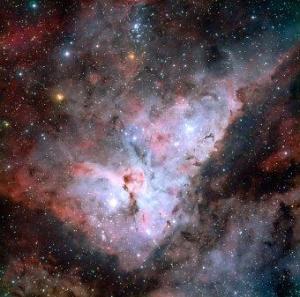
The latest ESO image reveals incredible detail in the complex structure of one of the largest and brightest nebula in the sky, the Carina Nebula (NGC 3372).
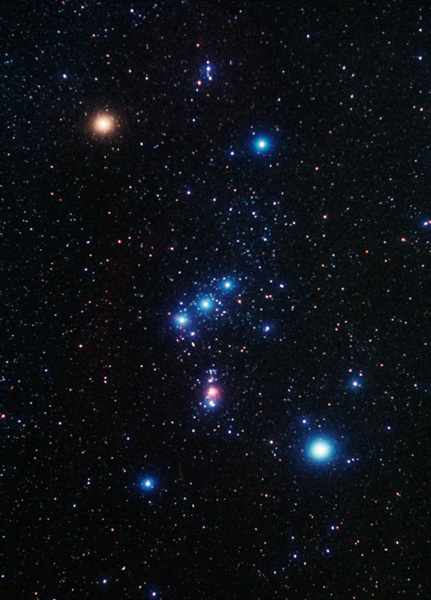
The brightest constellation that dominates the night sky this week appears in the south around 9 pm (local time).

NGC 2264 is located 2,600 light-years from Earth in the faint constellation Unicorn of Monoceros, not far from the familiar Hunter constellation of Orion.
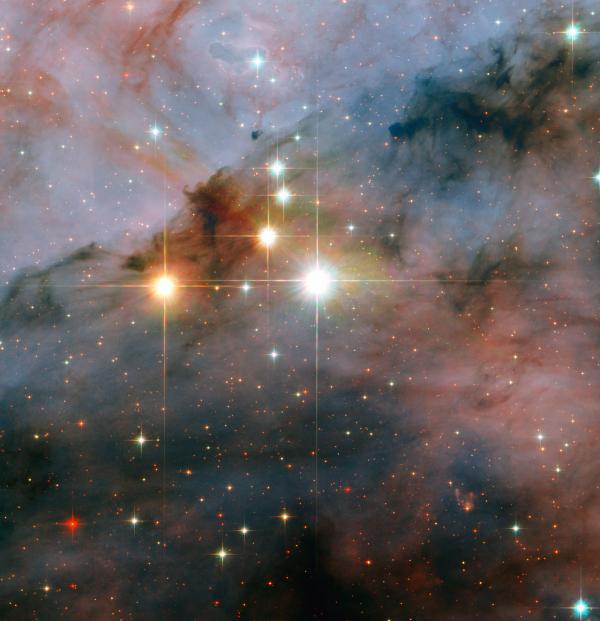
The Hubble telescope has recently captured a spectacular picture of a giant pair of stars, WR 25 and Tr16-244, located in the open star cluster Trumpler 16.
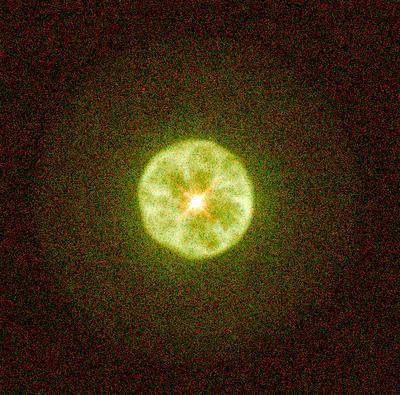
Stars are not large enough to carry out supernova explosions that end their lives by blowing most of their weight in a high wind.
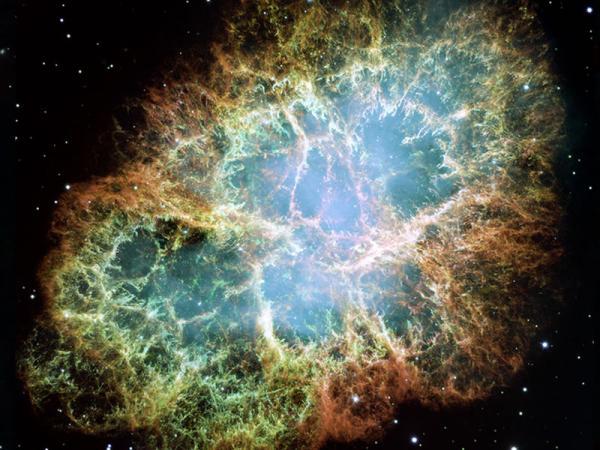
A new discovery by scientists about the origin of the high-energy ejaculatory process has opened up a new link in the problem of explaining the action of neutron stars.
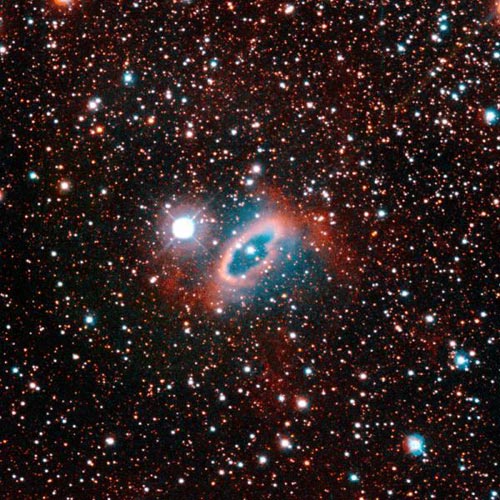
Let's see this as a case of the missing dwarf. A group of astronomers must perform interstellar field investigations. They had two suspects, signs of attack and assault,…