Medicine - Health
Heal brain damage with new materials
By using bio-foam implants, scientists have succeeded in reconstructing teeth, tendons, heart tissue, bones and cartilage in the human body. This material acts as a fram…
Browse ScienceInfo articles and explainers related to New Material.
182 published items.
By using bio-foam implants, scientists have succeeded in reconstructing teeth, tendons, heart tissue, bones and cartilage in the human body. This material acts as a fram…
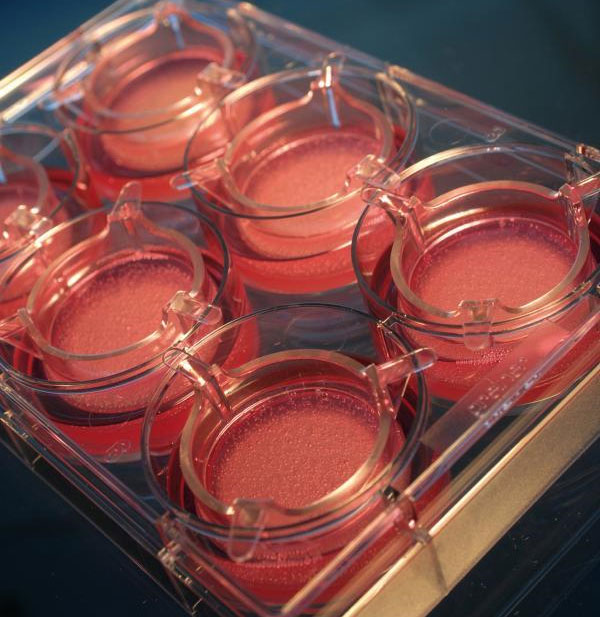
Since November, the Biomateria
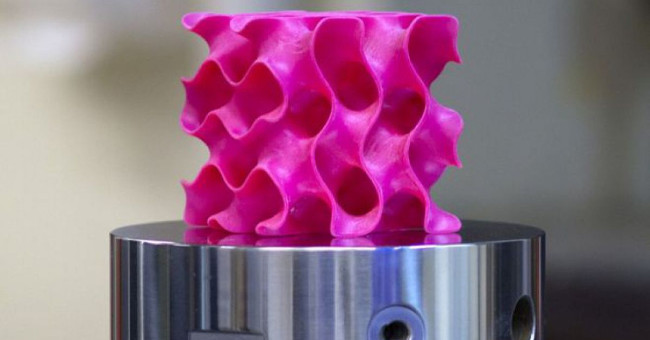
It's been 15 years since scientists invented graphene, a super-light carbon sheet that is said to be the hardest material on the planet. And recently, they've got a new…
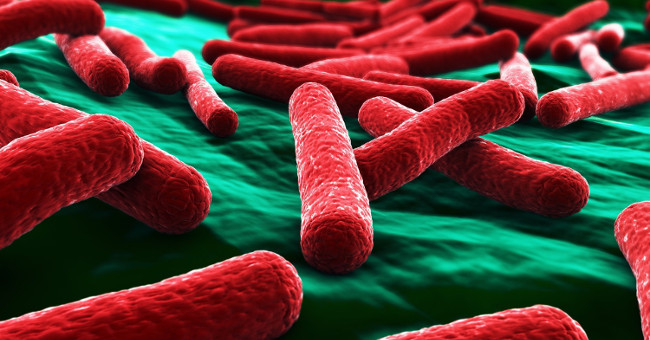
In the new study, published in the journal Nano Small, Singapore researchers say they have created an antibacterial material that can kill E.coli within 30 seconds.
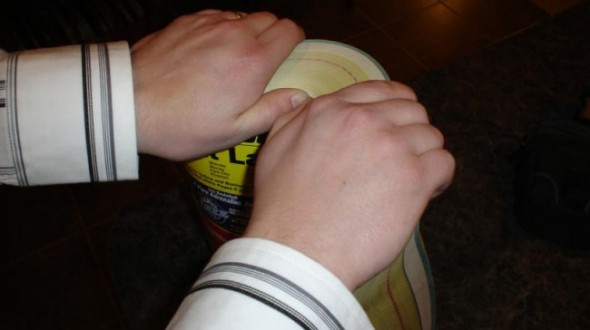
The engineering team from the University of Maryland (USA) has recently found a paper that is made of durable and self-healing cellulose fibers.
British and Chinese scientists developed a new self-cleaning paint that has high applicability on many materials and still works effectively even when scratched.
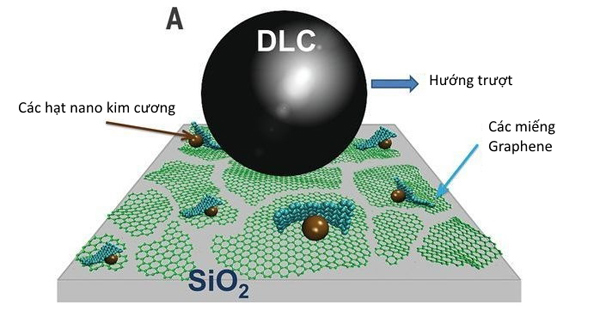
By combining a small amount of diamonds, a diamond-like carbon surface, and graphene, researchers from the Argonne National Laboratory of the US Department of Energy (Ar…
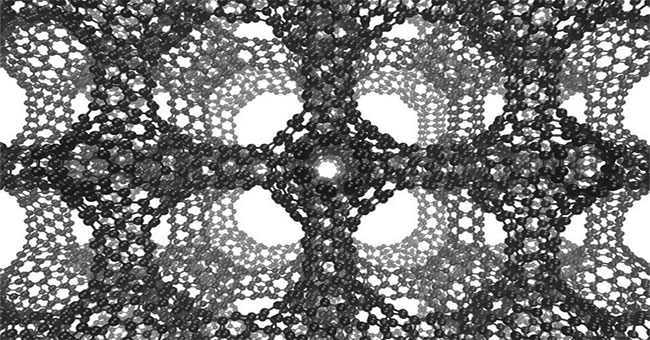
Scientists have created a new form of carbon, opening up another horizon of science and technology applications.

This material includes light-sensitive molecules used to change the internal structure of the material.
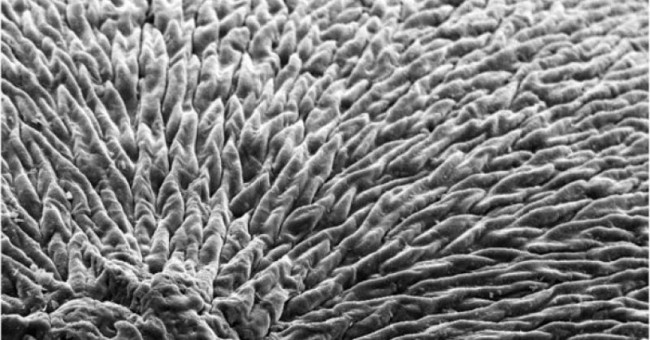
Enamel is the hardest bone tissue, difficult to be affected in the body, allowing teeth to work and withstand continuous pressure from chewing, biting ...
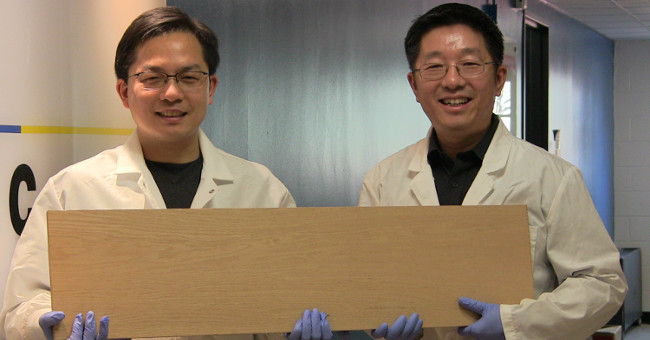
The finished material is 20% denser, three times denser, and has some impressive but stiffer features, 20 times more compressive strength than 50 times.
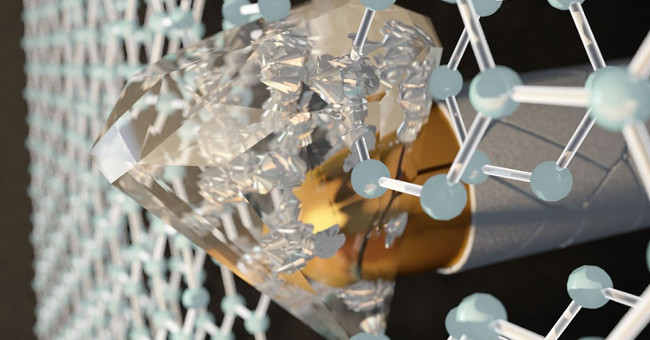
US scientists have successfully fabricated a ductile new material similar to a thin metal sheet but hard enough to prevent a bullet.
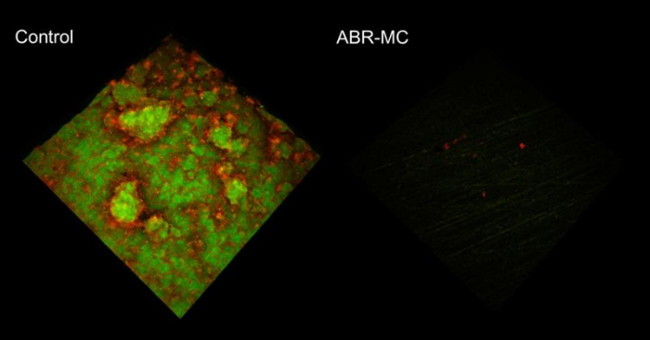
Before that, some dental materials used to cure tooth decay can cause some problems.
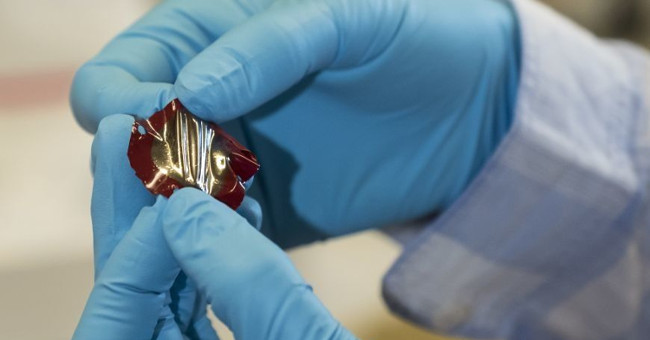
A team of researchers has developed an organic rubber-like material with high elasticity, which is interesting when stretching or compressing produces electricity.

A team of RMIT University researchers in Melbourne, Australia has successfully developed an ultra-thin 2D material with a thickness just equal to atoms.