New technology
Polish researchers create 'cannon' against haze
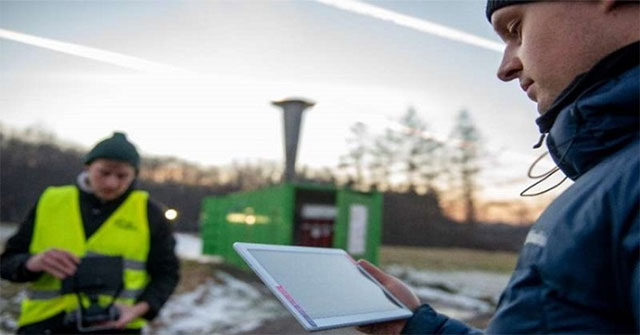
In the fight against smog, a group of scientists tested a 'cannon' device that uses sound waves to propel toxic particles up to help people breathe.
Browse ScienceInfo articles and explainers related to Particle.
803 published items.
In the fight against smog, a group of scientists tested a 'cannon' device that uses sound waves to propel toxic particles up to help people breathe.
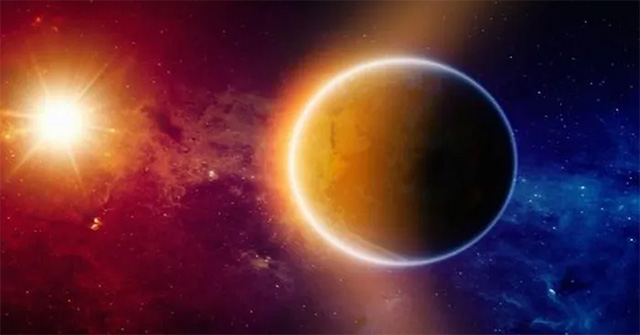
Experts argue that while injecting billions of sulfur particles into the atmosphere's stratosphere helps to reflect most of the sun's rays, the consequences could outwei…
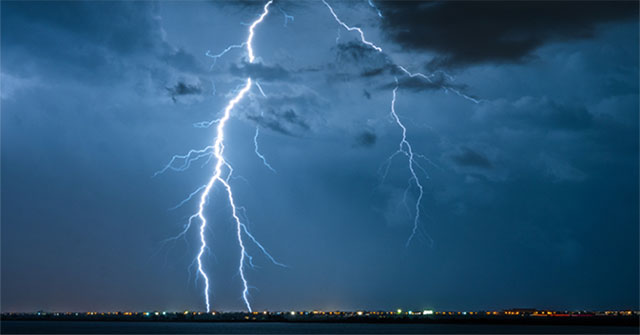
Massachusetts Institute of Technology (USA) researchers have found another effect of the blockade during the Covid-19 epidemic, which is a reduction in lightning flashes…
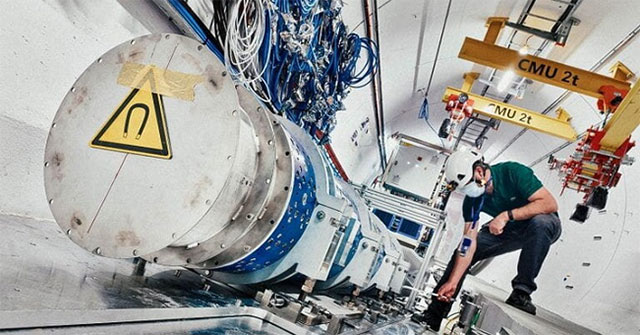
The Forward Search Experimental Group (FASER), led by physicists at the University of California, Irvine, has detected neutrino candidates for the first time on the LHC…
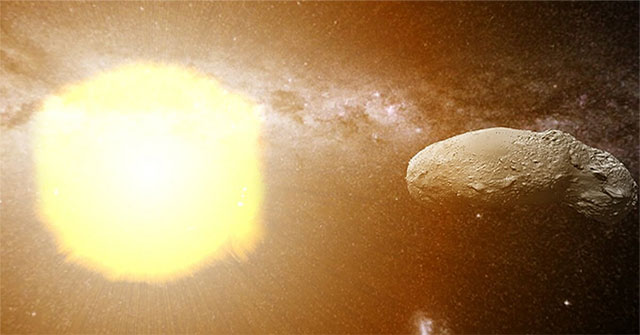
The sun, or specifically the solar wind, can be the source of seeds for the Earth's oceans, and the condition for all living things and ourselves to be born.
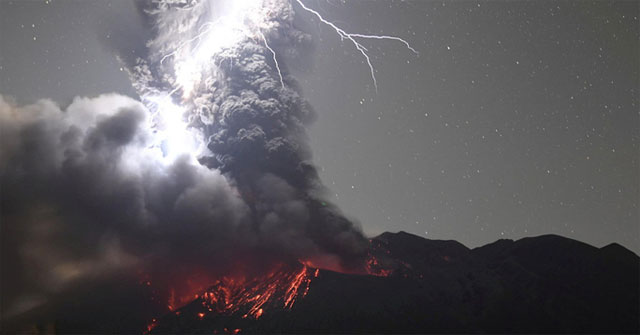
According to Science Alert, muons are everywhere, and if you see them, you can see several hundred muon attacks on you every second. The good news is it's harmless.

Guess how many bits the universe needs?
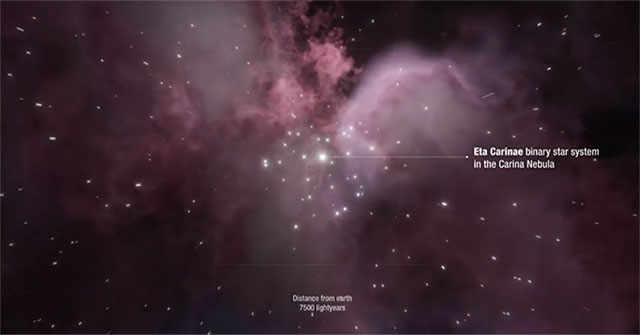
The researchers found that two blue giant stars emit a stellar wind that helps subatomic particles accelerate and generate intense gamma-ray radiation.
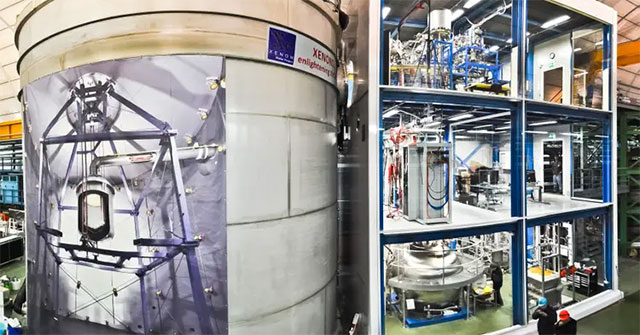
Errors in the recent dark-matter search experiment may open up new avenues for particle physics, but it is entirely possible that these are just the anomalies seen in th…

Inside the neutron stars is the 'noodle nucleus' - an unusual state of matter, consisting of subatomic particles called quarks.

Upon further study of how the universe works, particle physics experiments are becoming more complex than ever.
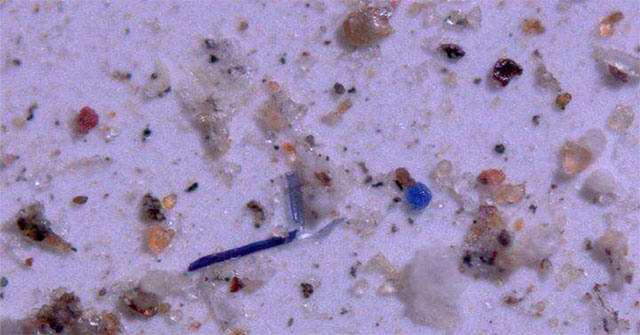
Every year, the equivalent of 300 million micro-bottles of rainfall falls to national parks and wilderness areas in the western United States.
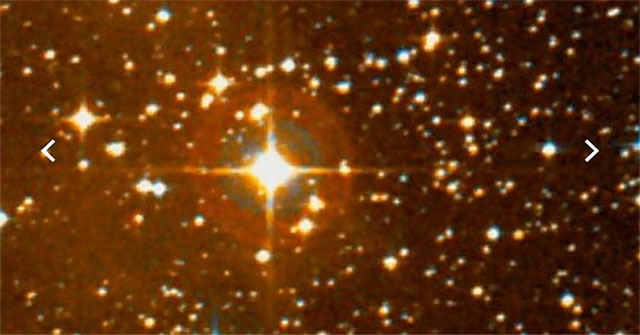
Almost everything in the universe has mass, from atoms and subatomic particles, to huge groups of galaxies.

Scientists believe they have identified the region with the cleanest air quality in the world, free of dust particles caused by human activity.
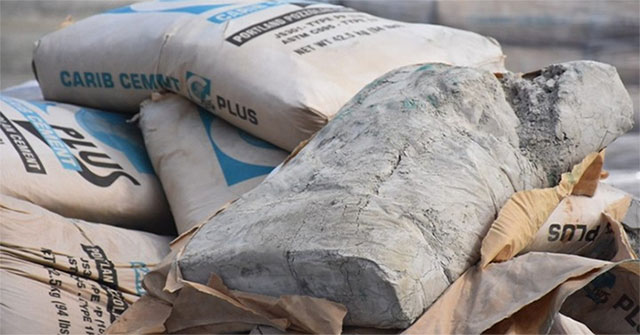
US and French scientists have recently discovered the mechanism behind the freezing of toothpaste or cement over time if left in the environment.