Environment
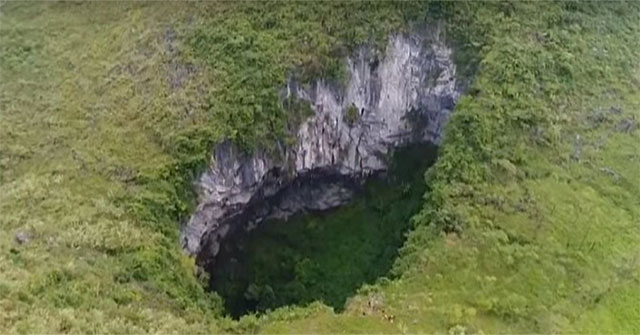
Stunned by the flora and fauna inside the world's deepest sinkhole
From a disaster to a wonder of the world - Xiaozhai Tiankeng (Chongqing, China) is famous for its depth of 662m.
Browse ScienceInfo articles and explainers related to Pit.
159 published items.
From a disaster to a wonder of the world - Xiaozhai Tiankeng (Chongqing, China) is famous for its depth of 662m.

Occurring more than 100 years ago, the mysterious airborne explosion with a destructive power equivalent to 15 million tons of TNT, wiping out 80 million trees, has it f…
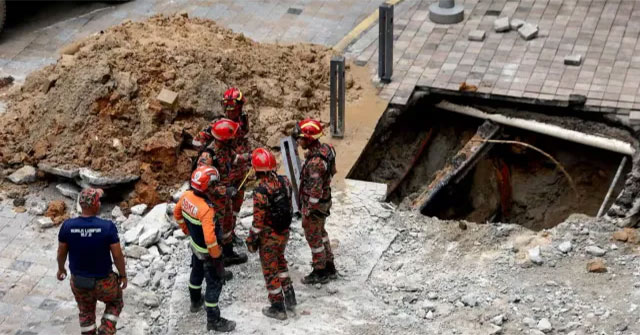
Many experts say that climate change makes countries in the Southeast Asian region face more risks stemming from sinkholes.
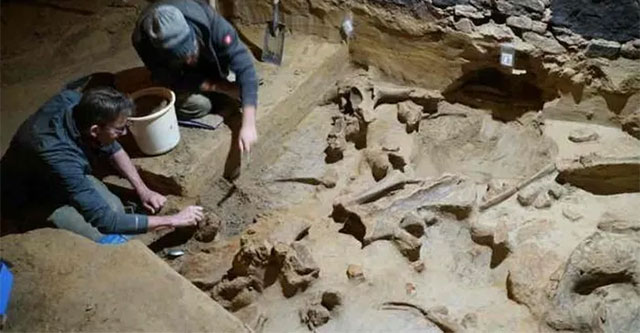
The terrible bone pit under the floor of a wine cellar in Austria belongs to beasts that lived about 40,000 years ago and are now extinct.
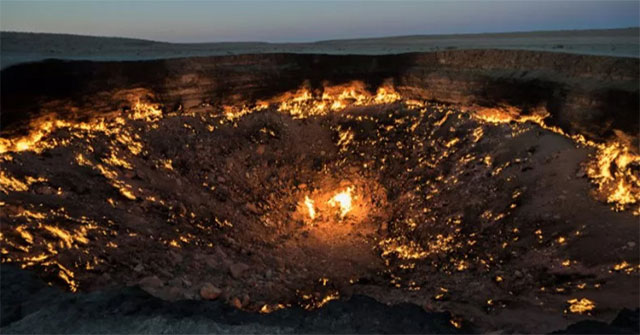
Turkmenistan- Methane leak also known as
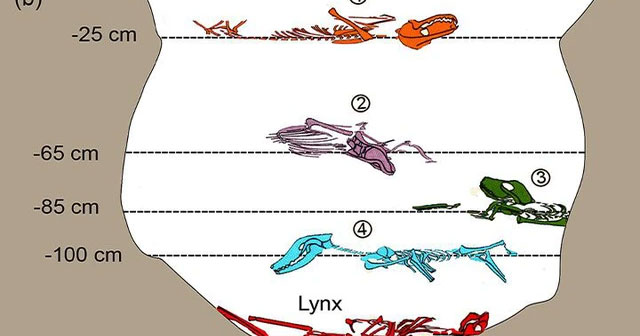
An ancient tomb with 5 different levels of burial has just been found in Hungary, arranged in a complex way but not intended for humans.
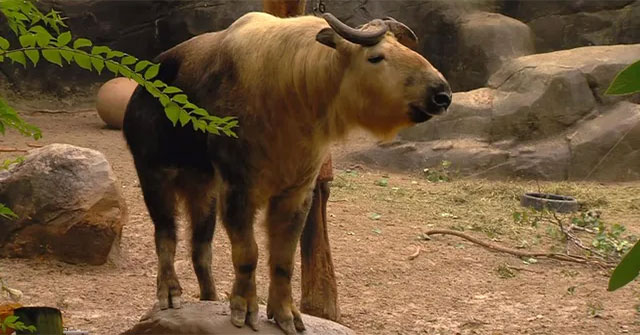
The takin, also known as the Tibetan buffalo, is a half-sheep, half-buffalo animal found in the eastern Himalayas.
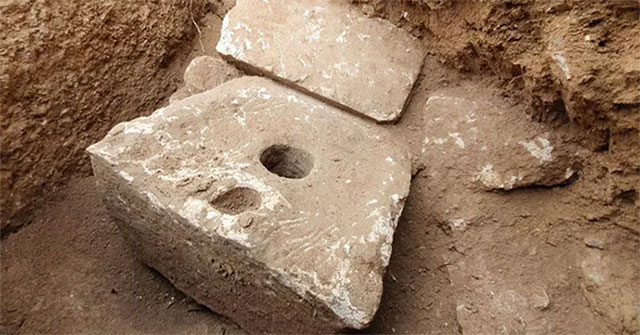
Israeli researchers recently discovered that the wealthiest inhabitants of ancient Jerusalem contracted an intestinal parasite due to hygiene problems.
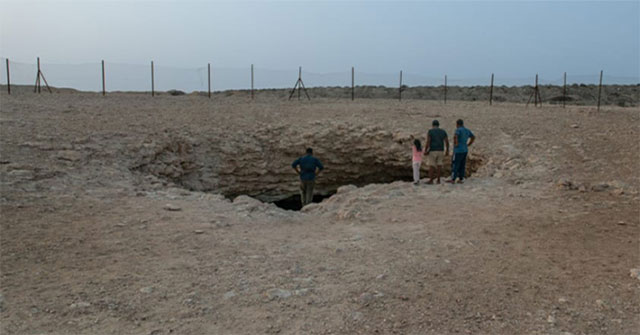
Musfur, the deepest accessible sinkhole ever discovered in Qatar, provides experts with information on geological history.
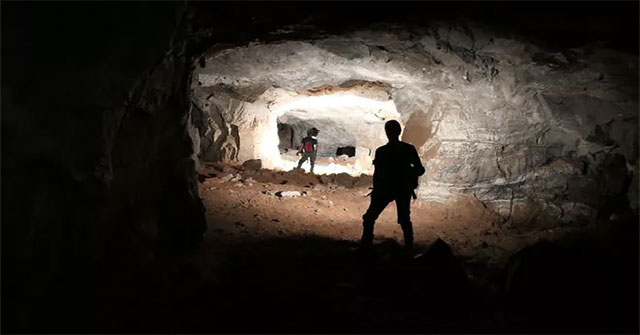
Just below Hideaway Hills, Blackhawk Town is an intricate mining system that residents of this town don't know about!
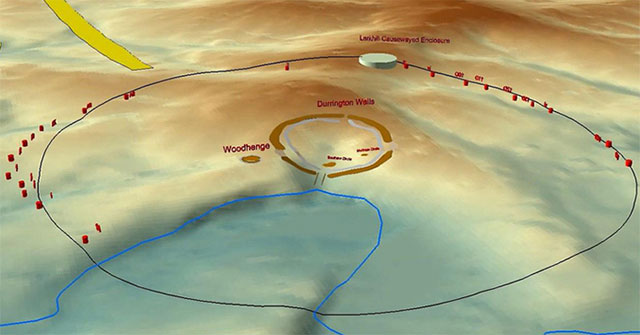
The circle, which is nearly 2 km in diameter, contains at least 20 large holes, showing the impressive construction techniques of Neolithic people.
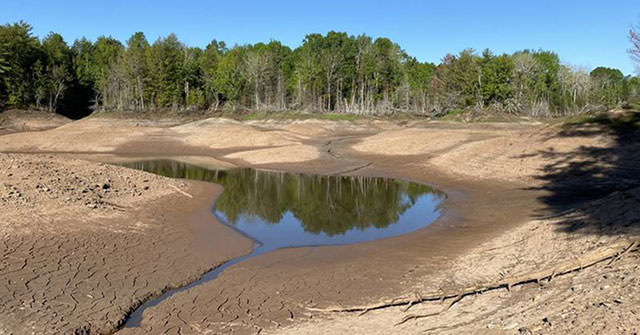
The water in Slade Lake recedes to the death pits below, revealing a large area of arid lake bed.
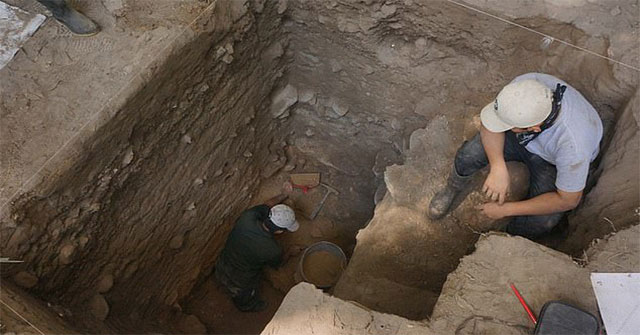
The most special burial site ever, with 44 sets of remains dating back 1,000-9,600 years is actually a gold mine with archaeologists.
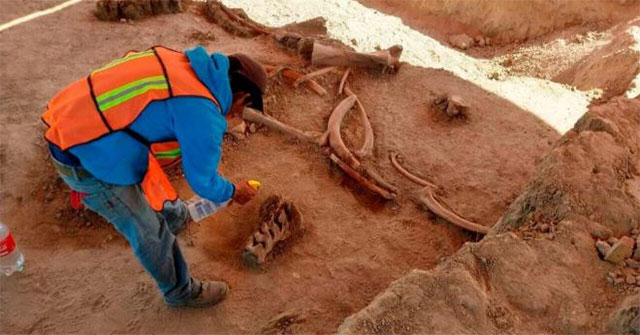
Archaeologists discovered about 60 mammoth skeleton in northern Mexico City (Mexico).

The death pit suddenly opened in front of the Pantheon temple in Rome, revealing the stones used to pave the road more than two millennia ago.