Science invention
New Biodegradable Plastic Invention Leaves No Microplastics Behind
Researchers have recently developed a biodegradable plastic that contains no microplastics. It is still durable and can be fully recycled.
Browse ScienceInfo articles and explainers related to Plastic Pollution.
15 published items.
Researchers have recently developed a biodegradable plastic that contains no microplastics. It is still durable and can be fully recycled.
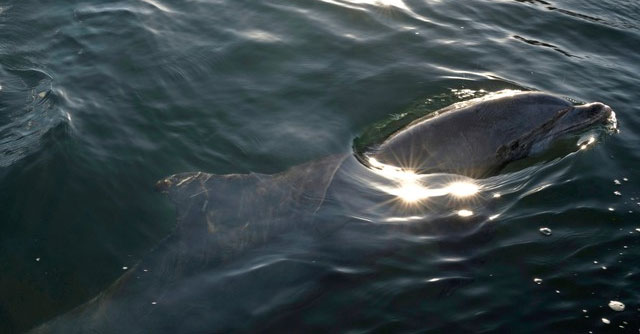
All 11 dolphins in the study had at least one type of microplastic present in their breath samples.

The most common source of plastic pollution in our environment is not plastic bottles, plastic bags or food wrappers but tobacco waste.
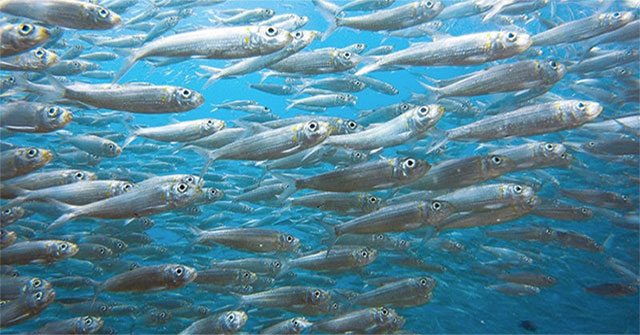
Scientists at the University of Sydney found that fish exposed to the industrial chemical BPA in warm waters often need more food to grow and reach a certain size.
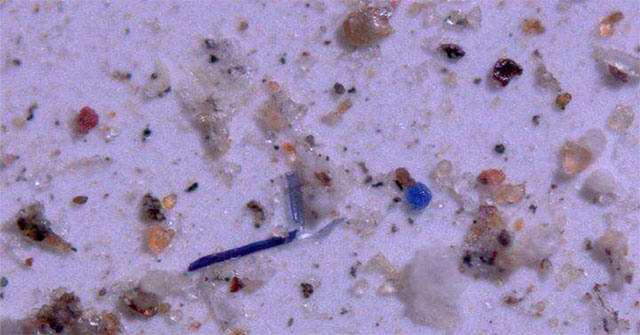
Every year, the equivalent of 300 million micro-bottles of rainfall falls to national parks and wilderness areas in the western United States.

The alarming number of microscopic particles found in a lake on the top of Snowdon is a warning to environmental pollution.

If the average life expectancy of a human being is 79, in life one can consume up to 20 kg of plastic. This volume is larger than the total volume of the two bins on the…
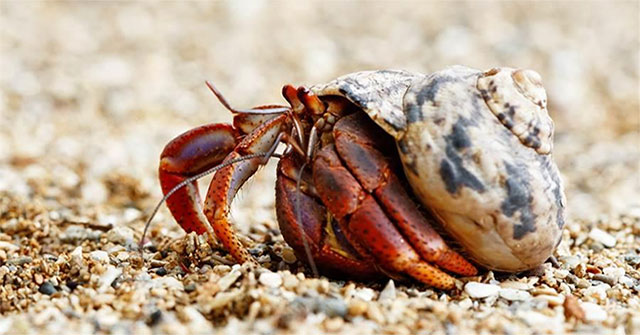
Over half a million borrowed souls died after being trapped in plastic debris on two remote archipelagos, causing scientists to fear that death could be part of a global…
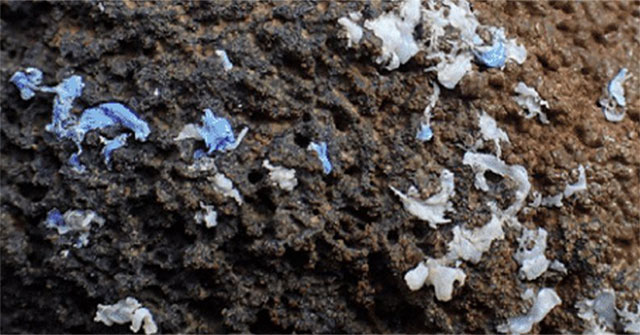
A form of pollution is making the scientific community extremely attentive. The cause is once again coming from plastic.
At this rate, the Earth will soon be annihilated before we find a planet that can harbor us.
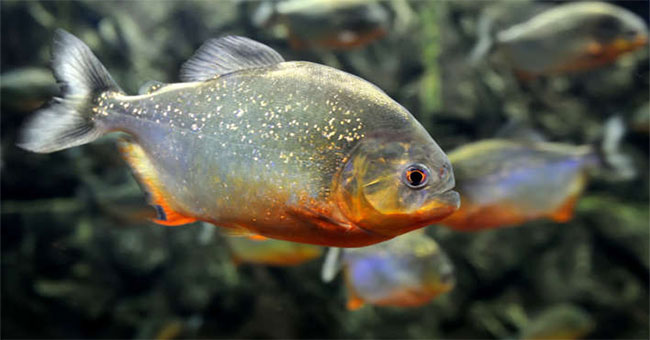
Plastic pollution in Amazon is alarming when scientists find worrying evidence.
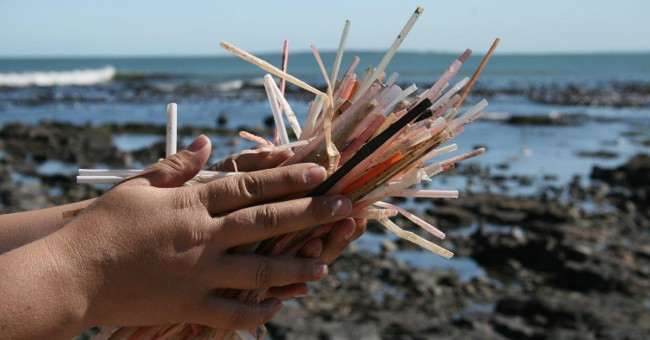
Worldwide, plastic straws are the sixth most popular type of waste, according to Litterati.

Time Magazine on September 6 said that recent research by Orb Media, a global environmental organization, shows 83% of the world's water samples contain micro-plastic fi…
A recent study found that nearly 269,000 tons of contaminated plastics are floating in the world's oceans, 10 times more serious than previously estimated.

This is a particle with a diameter of less than 5 micrometers, broken down from larger pieces of plastic waste and it takes several hundred to several thousand years to…