
Biology
The most deadly fungus in the world
Just 30 grams of α-amanitin poison in half of the death hat mushroom is enough to kill an adult.
Browse ScienceInfo articles and explainers related to Poison.
814 published items.
Just 30 grams of α-amanitin poison in half of the death hat mushroom is enough to kill an adult.
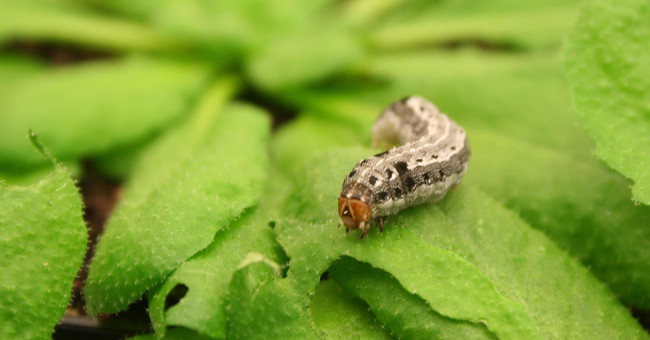
According to Science Advances magazine, the caterpillar Spodoptera littoralis, who specializes in eating corn leaves, has found a way to overcome plant protection system…
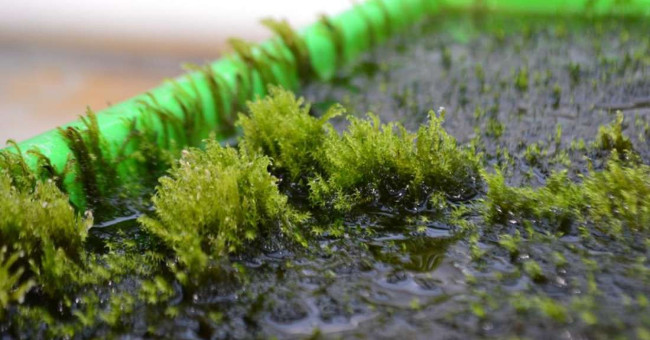
One of the major problems we face is the phenomenon of water poisoning from heavy metals, such as arsenic.
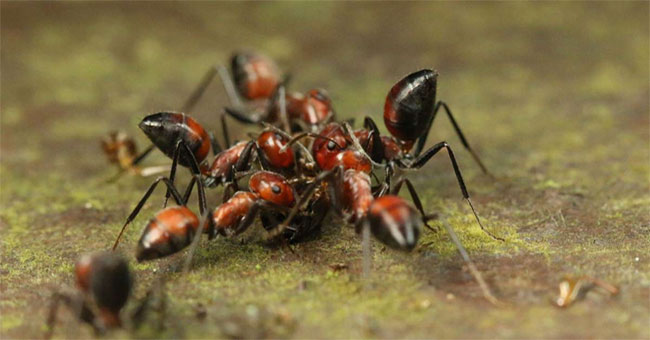
Scientists discovered new ants on the island of Borneo, Pacific, National Geographic on April 19 reported.
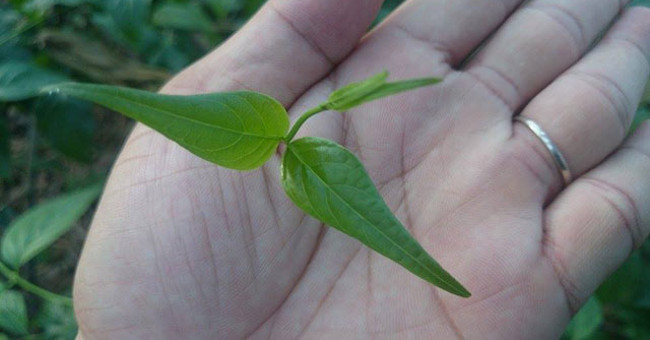
Referring to the name 'finger leaves', every thought comes from 'suicide', because in the past, Vietnam used to show many films that ethnic people use this leaf to commi…

According to Dr. Phung Van Khoa, Vice Chairman of the Graduate Faculty, Forestry University (Xuan Mai, Chuong My, Hanoi), toluene is a volatile organic solvent and is wi…
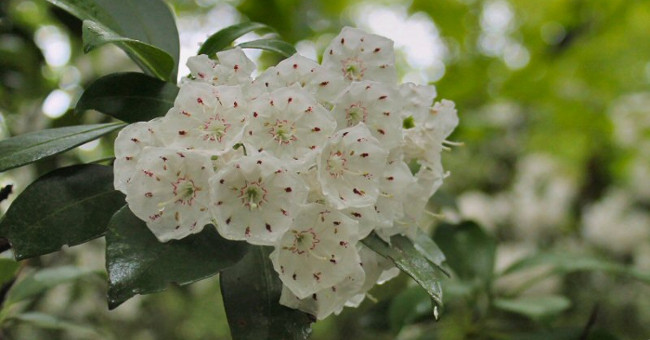
Mountain lilies often bloom in May and June, are round, sprouted in a variety of colors, from white, light pink, dark pink, red.
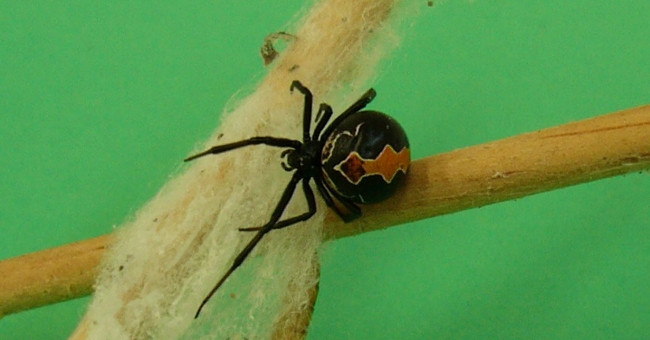
Latrodectus katipo (commonly referred to as katipo) is an endangered spider native to New Zealand.
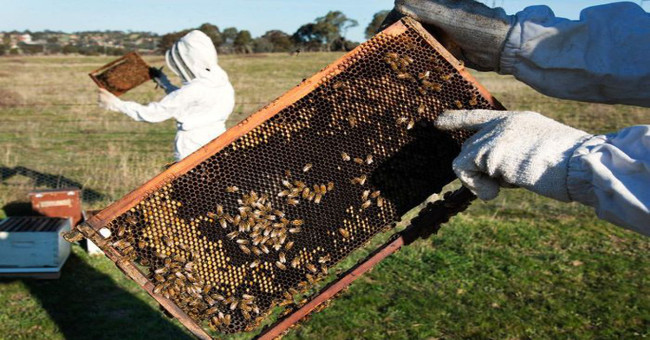
Neonicotinoid insecticides are found in 75% of global honey samples collected, half of which contain a mixture of toxic chemicals.

Humans are also at risk from some plant species. If you think that the pitcher plant is too small to swallow you, you are right, but its unique side will make you fall i…
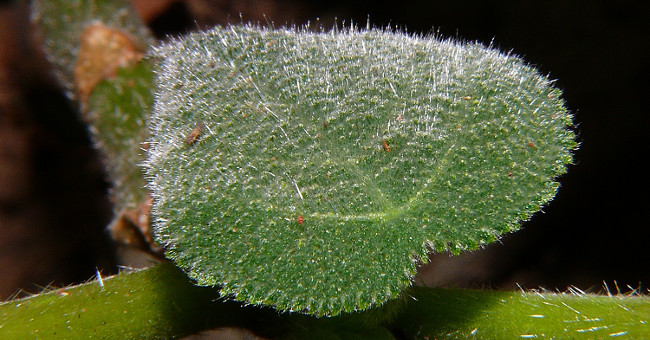
Looking at the green leaves, the heart shape is so beautiful, but anyone who doubts this species contains a poison with tremendous mental damage.

Contrary to popular belief, cockroaches cannot survive in a nuclear explosion. The truth is that this animal is more resistant to some ionizing radiation than humans.
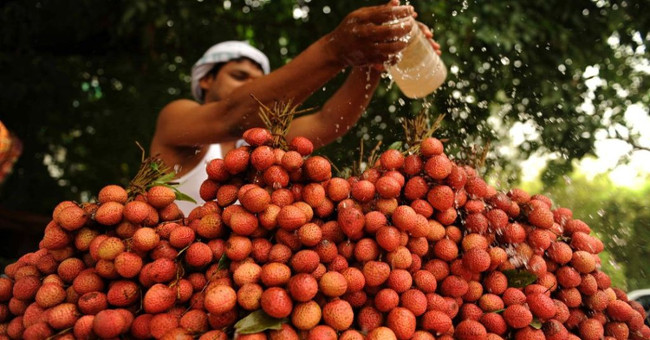
American and Indian scientists discovered a mysterious disease that kills more than 100 children every year in northern India by eating fabrics when hungry causes.
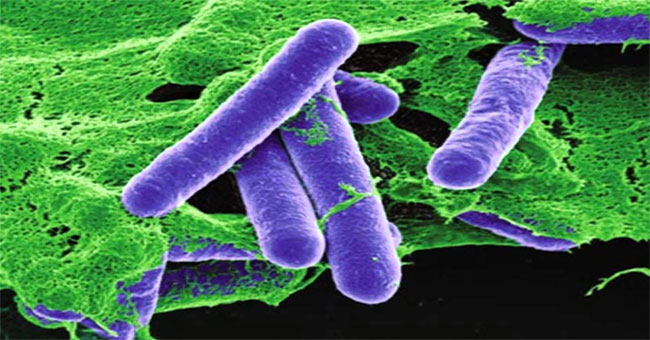
Clostridium botulinum (C. botulinum) was first described by E.van Ermengem in 1897 during a food poisoning in Ellezelles, Belgium.

Red wine is hunted by many people by price