Space science
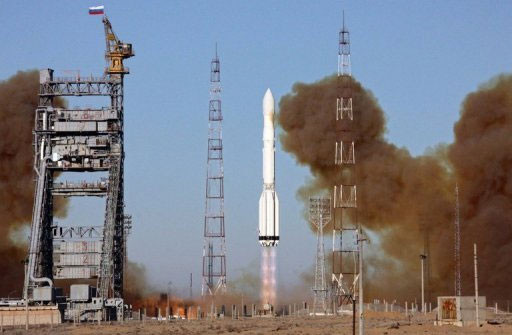
Russia launched Glonass-M navigation satellite
On November 28, Russia launched a Soyuz Glonass-M guided satellite at the Plesetsk space center in the northwest of the country.
Browse ScienceInfo articles and explainers related to Position.
537 published items.
On November 28, Russia launched a Soyuz Glonass-M guided satellite at the Plesetsk space center in the northwest of the country.
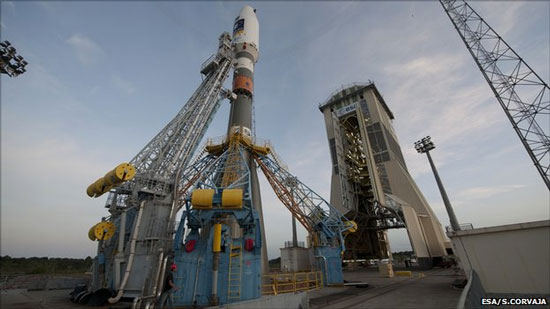
The orbital flight of two European-built satellite satellites could not take place today due to a technical problem.
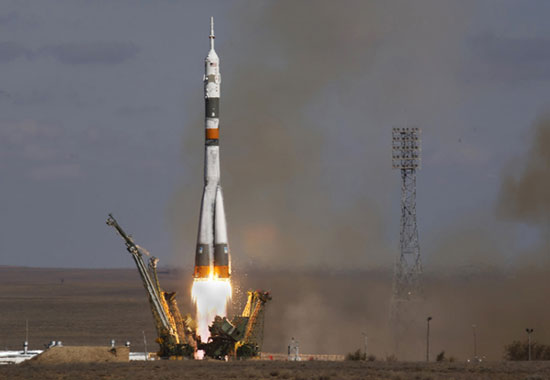
Russia's Soyuz boosters brought the first two satellites in Europe's global positioning system to Earth's orbit yesterday.

According to THX, on October 7, the head of the Russian Space Agency (Roscosmos), Mr. Vladimir Popovkin said that Russia has completed the deployment of Global Positioni…
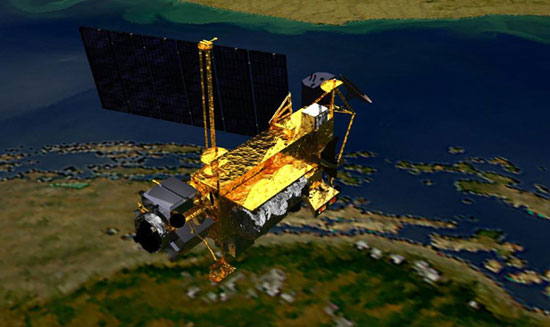
The US Aeronautics Agency (NASA) announces that their 6-tonne mass satellite has fallen to the northeast of the Vanuatu archipelago.
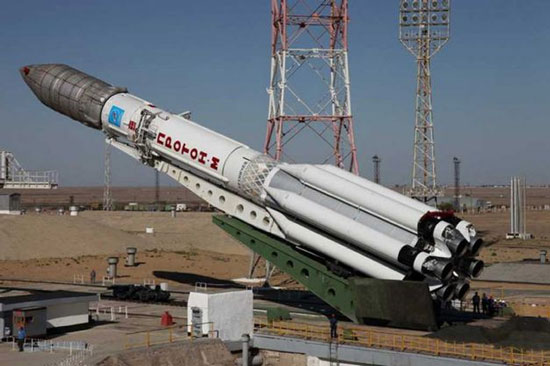
The Russian Federal Space Agency lost contact with a telecommunications satellite as soon as it was launched yesterday.
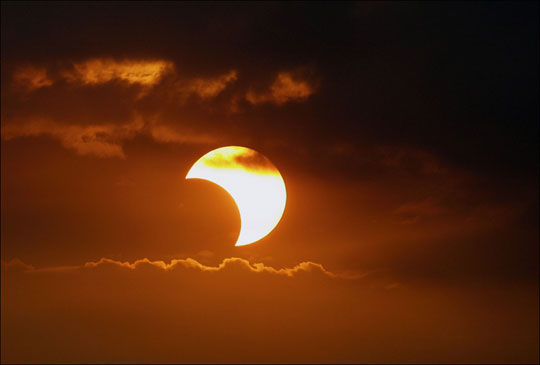
People in some parts of the world will have the opportunity to admire a partial solar eclipse on January 4 next year, the shadow of an eclipse will pass through Europe i…
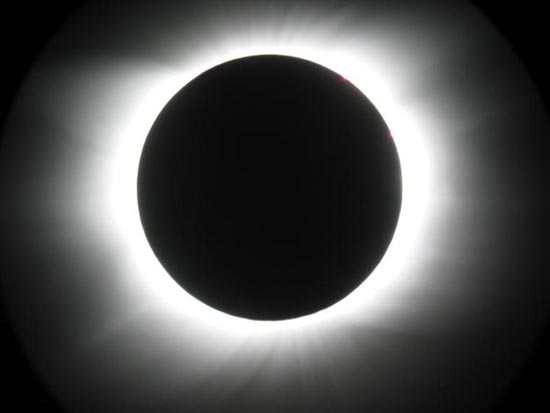
The moon will obscure part of the sun for about three hours today and people in many parts of the world will have the opportunity to admire the eclipse.

In 2010, Russia retained the world's leading position in the number of space-carrying missiles, carrying out 31 launches, compared with 15 times the US and China.
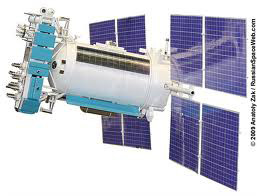
Three Russian Glonass-M positioning satellites, launched into orbit on December 5, fell off the Hawaiian Islands in the Pacific Ocean.
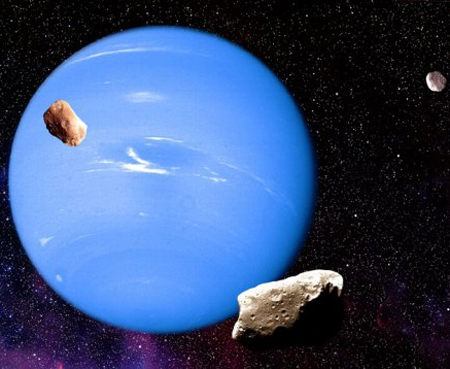
Today, for the first time in 164 years, Neptune will be in a position to align with the sun and the earth, and that is the location where it is closest to Earth.
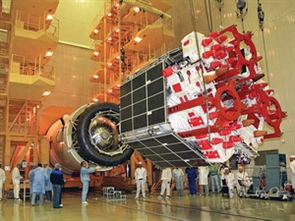
Russia's GLONASS satellite navigation system, equivalent to the US GPS system, will cover the whole world later this year.

On July 15, 1975, at two different positions in the US and the Soviet Union, two Apollo 18 and Soyuz spacecraft were launched into space to prepare for the

Accordingly, the present universe is only one part behind black holes. Black holes are the entrance of Einstein-Rosen bridges (Einstein-Rosen bridges).

Astronomers believe that Neptune has swallowed up a giant planet in the solar system, and robbed the satellite of the ill-fated celestial body.